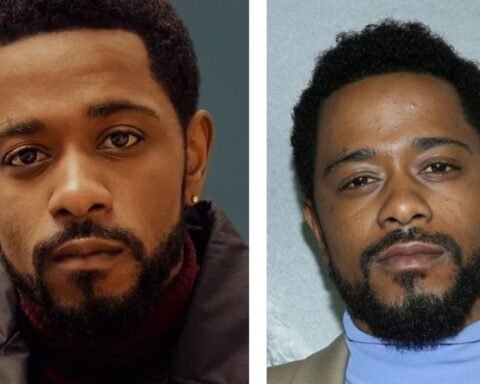
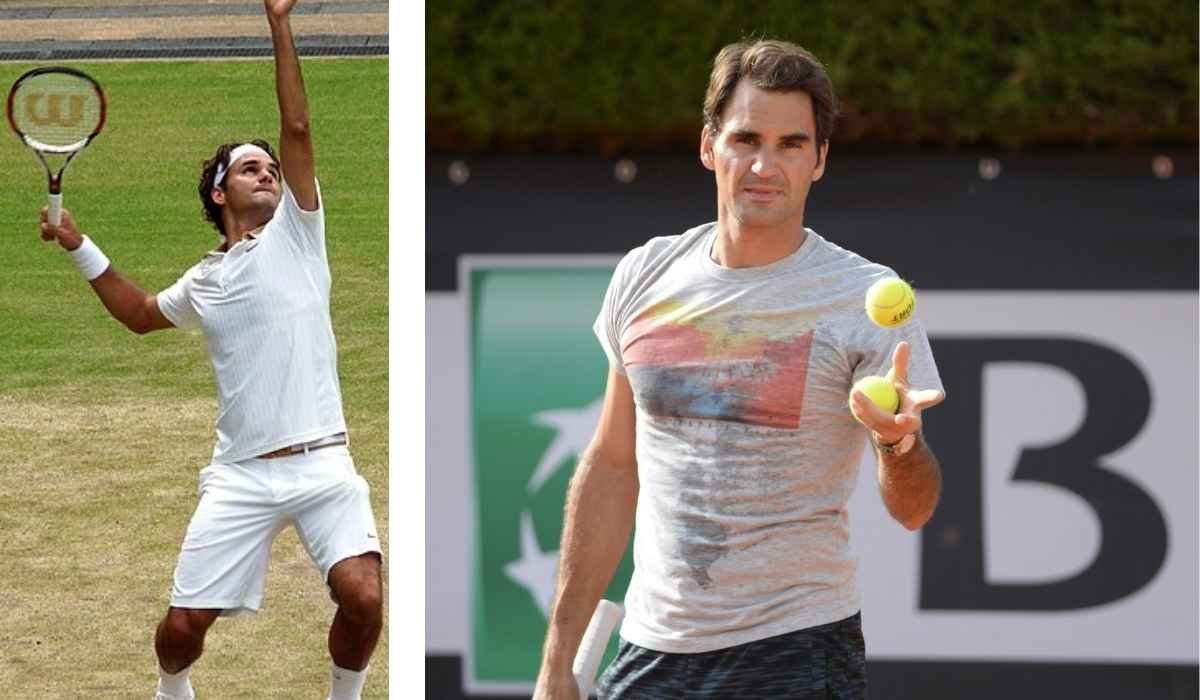
The journey of tennis legend Roger Federer began in Basel, Switzerland, where a young ball kid dreamed of conquering the global stage with grace, precision, and an unmatched elegance. Over a career spanning more than two decades, the maestro captivated millions of fans worldwide with his fluid one-handed backhand, effortless movement across all surfaces, and remarkable sportsmanship. Capturing twenty Grand Slam singles titles, he redefined greatness through historic triumphs at Wimbledon, the Australian Open, the US Open, and Roland Garros. Beyond sheer statistics, his profound influence stems from how he transformed tennis into an art form, inspiring generations of aspiring athletes to pursue the sport with similar passion, dignity, and unwavering dedication.
Quick Bio
| Attribute | Details |
| Full Name | Roger Federer |
| Date of Birth | August 8, 1981 |
| Place of Birth | Basel, Switzerland |
| Profession | Professional Tennis Player (Retired) |
| Grand Slam Titles | 20 |
| Olympic Medals | 1 Gold (Doubles, 2008), 1 Silver (Singles, 2012) |
| Spouse | Mirka Vavrinec |
Early Beginnings in Basel
Growing up in the sporting culture of Switzerland, a young Roger Federer spent hours honing his craft on local courts while serving as a dedicated ball boy at his hometown tournament. These formative years instilled a deep appreciation for the discipline required to reach the pinnacle of professional sports. Local coaches quickly recognized his immense natural talent, though channeling his fiery childhood temperament into focused competitive drive required patience. Support from family members and mentors helped shape his character, steering him toward a path of international success. Every practice session served as a stepping stone toward transforming raw athletic ability into a refined, world-class skill set that would soon capture the attention of the global tennis community.
Junior Success and Professional Breakthrough
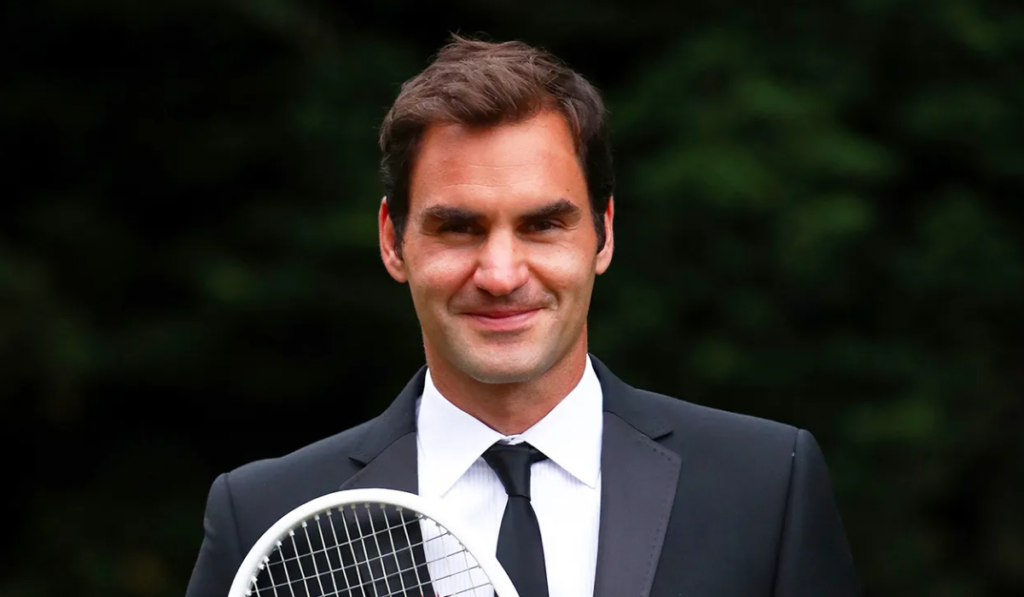
Transitioning from the junior circuit to the senior tour marked a critical phase where Roger Federer proved his capability against seasoned veterans. Early struggles on the professional circuit tested his resolve, but historic junior victories signaled that greatness was within reach. Breakthrough moments, such as his milestone victory over Pete Sampras at Wimbledon, announced his arrival as a formidable force on grass courts. Tactical adjustments and improved mental resilience allowed him to convert promising performances into consistent tournament victories. This breakthrough period laid a rock-solid foundation for a dominant era, establishing his reputation as an aggressive yet supremely graceful shot-maker capable of dismantling any opponent.
The Rise to World Number One
Reaching the summit of men’s tennis required unprecedented consistency, and Roger Federer achieved this by dominating the ATP rankings with historic authority. Securing his first major title at Wimbledon unlocked a floodgate of confidence, leading to a prolonged period of supreme supremacy across hard and grass surfaces. Opponents struggled to counter his multifaceted game plan, which blended lightning-fast serves with sublime baseline volleys. During this golden era, he accumulated a record number of consecutive weeks at the top of the tennis world, rewriting record books and setting new benchmarks for athletic excellence. His dominance transformed tour events into masterclasses of tactical execution and mental fortitude.
Wimbledon Glory and Grass Court Mastery
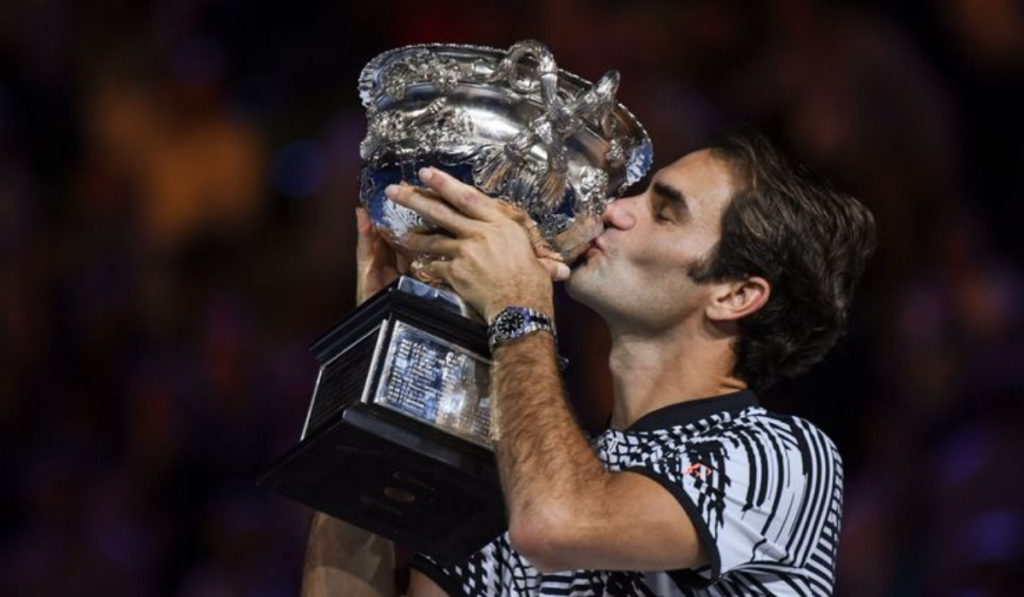
Green lawns always brought out the absolute finest qualities in Roger Federer, who turned the historic turf of the All England Club into his personal fortress. Securing successive titles at Wimbledon cemented his status as the greatest grass-court player in the history of the open era. His ability to slide effortlessly, anticipate opponent returns, and dictate play with an immaculate serve-and-volley strategy left crowds spellbound. Victories on these hallowed grounds carried immense emotional significance, reinforcing a lifelong love affair with the prestigious tournament. Each championship trophy lifted in London added another legendary chapter to his already storied athletic resume and solidified his eternal legacy in sports history.
Hard Court Dominance at the US Open
New York City witnessed some of the most electric performances of Roger Federer during a golden stretch of consecutive titles at Flushing Meadows. Hard courts provided an ideal canvas for his aggressive baseline game, allowing him to overwhelm top-tier rivals under the bright stadium lights. Winning five consecutive US Open championships highlighted his remarkable adaptability and physical stamina on fast surfaces. Fans in attendance created an atmosphere of pure electricity, feeding off his brilliant shot-making and reciprocated admiration. These hard-court triumphs proved that his tactical brilliance extended far beyond grass, securing his dominance across multiple continents and varied competitive environments throughout his prime years.
Conquering the Clay at Roland Garros
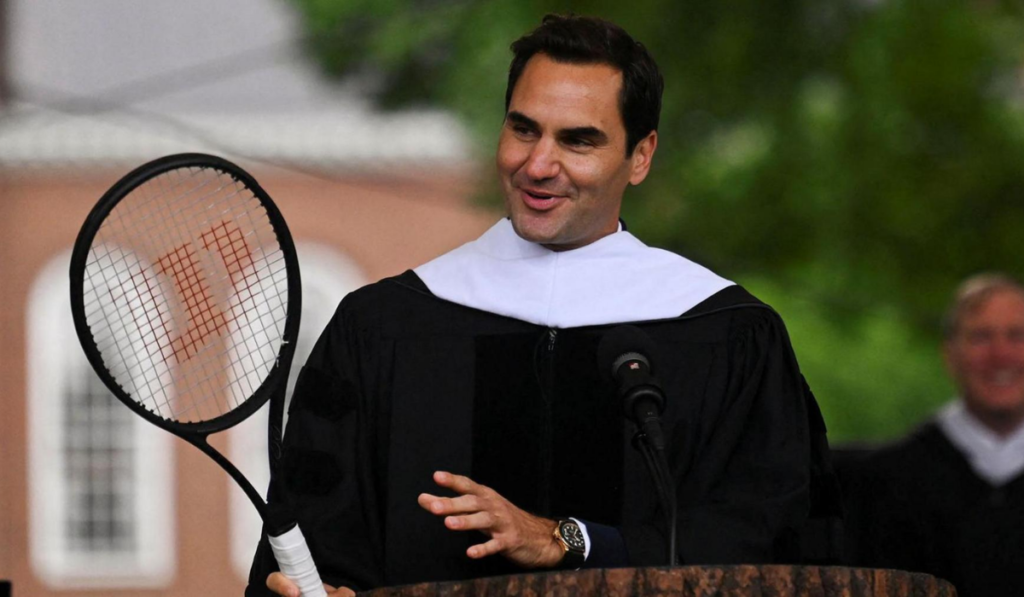
Completing a career Grand Slam required Roger Federer to master the physically punishing red clay courts of Roland Garros, a surface traditionally dominated by specialists. Years of near-misses and grueling baseline battles against fierce rivals only fueled his determination to lift the elusive French Open trophy. When victory finally arrived in Paris, it validated his versatility and silenced any remaining critics who doubted his all-surface prowess. Emotional celebrations on Court Philippe Chatrier underscored the magnitude of the achievement, sealing an elite status shared by only a handful of tennis immortals. This historic triumph demonstrated his relentless work ethic and tactical evolution on clay.
Epic Rivalries That Defined an Era
Competitive fire reached its zenith through legendary battles between Roger Federer and iconic contemporaries like Rafael Nadal and Novak Djokovic. These monumental clashes transcended the sport, captivating global audiences with contrasting styles, mutual respect, and supreme athletic drama. Every encounter added new layers of intrigue to tennis history, pushing each champion to elevate their game to unprecedented heights. Beyond the court, a spirit of sportsmanship defined these rivalries, creating lasting bonds forged through fierce competition. Fans around the world eagerly tuned in for these masterclasses, knowing they were witnessing a golden generation of tennis supremacy unfold live.
The Magic of the One Handed Backhand
Aesthetics met lethal efficiency through the signature one-handed backhand deployed masterfully by Roger Federer throughout his illustrious career. While modern tennis increasingly favors double-handed techniques for power, his fluid stroke remained a work of art capable of generating penetrating winners from any corner. Coaches and young players studied his mechanics religiously, trying to replicate the timing and wrist control required to execute such a difficult shot under pressure. This stylistic choice became a hallmark of his identity, injecting classic elegance into a fast-paced modern sport. It stood as a reminder that beauty and power could coexist harmoniously at the highest competitive level.
Overcoming Injuries and Tactical Evolution
Physical adversity tested the longevity of Roger Federer, forcing him to adapt his game and alter his scheduling to preserve peak performance. Major knee surgeries and prolonged rehabilitation periods threatened to prematurely halt his historic run, yet disciplined recovery protocols facilitated remarkable comebacks. Modifying his racket frame and shortening points allowed him to outsmart younger, more energetic opponents with supreme economy of movement. These strategic adaptations showcased his profound tennis intelligence, proving that tactical mastery could compensate for changing physical dynamics. His triumphant return to win major titles later in his career inspired athletes across all disciplines worldwide.
Olympic Glory and National Pride
Representing Switzerland on the international stage brought immense pride to Roger Federer, who wore his national colors with profound honor and dedication. Capturing an Olympic gold medal in doubles alongside compatriot Stanislas Wawrinka at the Beijing Games fulfilled a major career aspiration. Later, a hard-fought silver medal in singles at the London Olympics underscored his enduring competitiveness under the multi-sport spotlight. Carrying the Swiss flag during opening ceremonies reflected his status as a beloved national icon and global ambassador. These Olympic experiences added a deeply patriotic dimension to a career largely defined by individual tournament triumphs across the globe.
The Art of Mental Resilience
Championship pressure exposes vulnerabilities, yet Roger Federer consistently displayed an aura of supreme calm during the most critical moments of high-stakes matches. Breathing deeply and maintaining absolute emotional equilibrium allowed him to execute precise strategies when tiebreaks and championship points hung in the balance. This mental fortitude was cultivated over decades of competitive play, transforming initial youthful frustrations into unshakeable poise. Opponents often felt psychologically defeated by his impenetrable demeanor on court. Such psychological strength served as the invisible engine powering his record-breaking collection of titles and defining his legacy as a true mental titan.
Leadership and the ATP Player Council
Influence extended far beyond match victories as Roger Federer dedicated years of service to the ATP Player Council, advocating for the welfare of fellow competitors. Addressing prize money distribution, scheduling fairness, and support for lower-ranked professionals occupied much of his time away from the spotlight. His diplomatic approach and universal respect among peers enabled constructive dialogue with tournament organizers and governing bodies. By using his voice for the collective good, he helped shape a healthier, more equitable professional circuit for future generations. This administrative contribution highlighted his commitment to leaving the sport in a much better condition than he found it.
Philanthropy and the Roger Federer Foundation
Beyond competitive courts, the impact of Roger Federer resonated deeply through extensive humanitarian efforts spearheaded by his personal charitable foundation. Focusing primarily on early childhood education in southern Africa and Switzerland, the organization aimed to break cycles of poverty through structured learning opportunities. Millions of children gained access to quality schooling, nutritious meals, and better developmental resources thanks to targeted fundraising exhibitions and personal donations. This philanthropic commitment reflected his deep empathy and understanding of privilege, utilizing global fame as a powerful force for social good. His charitable legacy continues to change countless young lives across the globe.
Global Icon Status and Commercial Appeal
Marketability and universal appeal elevated Roger Federer into a premier global icon transcending the boundaries of professional tennis entirely. Longstanding partnerships with prestigious luxury brands, watchmakers, and fashion houses showcased his sophisticated personal style and impeccable public image. The iconic personal logo became a fashion statement worn by millions of devoted supporters inside stadiums and on city streets worldwide. Despite immense wealth and fame, he maintained a grounded, approachable demeanor that endeared him to corporate partners and everyday fans alike. His commercial footprint set a new standard for athlete branding and worldwide market influence.
The Emotional Farewell at the Laver Cup
Tears flowed freely inside a packed arena as Roger Federer bid an emotional farewell to competitive tennis during a memorable Laver Cup weekend. Surrounded by lifelong rivals and dear friends, his final professional match marked the bittersweet end of an extraordinary era in sports history. A poignant doubles pairing with Rafael Nadal provided an unforgettable visual symbol of mutual respect and shared greatness. Fans wept openly in the stands and across the globe, processing the closure of a golden chapter in athletic history. This graceful exit encapsulated the dignity and profound humanity that defined his entire journey on the professional tour.
Transitioning into Life After Tennis
Stepping away from professional competition allowed Roger Federer to embrace new roles as a devoted family man, astute businessman, and global ambassador for the sport. Managing business investments, supporting his children’s endeavors, and engaging in select exhibition appearances filled his post-retirement schedule with purpose and joy. He continued to follow tour events as an avid fan, offering insightful commentary and encouraging the next wave of tennis talent. This seamless transition highlighted his balanced perspective on life, proving that identity extended far beyond athletic achievements. Retirement marked not an end, but a fruitful new beginning filled with diverse creative pursuits.
Cultural Legacy and Lasting Inspiration
Lasting impact is measured not just in trophies lifted, but in how an individual alters the cultural perception of a discipline forever. Roger Federer redefined sporting elegance, proving that fierce competitiveness could coexist harmoniously with supreme grace and sportsmanship. Aspiring athletes across all sports study his career as a masterclass in longevity, humility, and professional excellence. Museums, tennis academies, and historical archives preserve his memorabilia to educate future generations about a once-in-a-generation talent. His cultural footprint remains permanently etched into the global consciousness, ensuring his name will echo through sports history eternally.
Enshrined in the International Tennis Hall of Fame
Official recognition of his immortal status culminated with the emotional induction of Roger Federer into the International Tennis Hall of Fame. Standing before tennis royalty and adoring fans in Newport, Rhode Island, he reflected on a magical journey that began in Basel. Tears of gratitude flowed as he thanked his family, coaches, rivals, and supporters who shared in his historic ride. This ultimate accolade permanently cemented his place among the pantheon of sports legends, sealing a narrative built on hard work, passion, and unrivaled brilliance. Enshrinement served as a fitting crowning achievement for a true maestro of the game.
Reflections on a Lifetime of Tennis
Looking back on a remarkable life dedicated to athletics, Roger Federer expressed profound gratitude for the opportunities and friendships forged along the way. Though his days of competing for Grand Slam trophies have concluded, his love affair with tennis remains as vibrant and enduring as ever. Mentoring young players and contributing to the growth of the sport ensures his wisdom continues to shape future champions. The journey from a passionate ball kid to an immortal icon stands as a testament to what is possible through unwavering dedication. His timeless legacy will forever inspire dreamers across the world to pursue greatness with grace.
Frequently Asked Questions
- How many Grand Slam singles titles did Roger Federer win during his career?
- Roger Federer captured a total of 20 Grand Slam singles titles.
- What year did Roger Federer officially retire from professional tennis?
- Roger Federer officially retired from professional competition in 2022.
- How many consecutive weeks did Roger Federer hold the world No. 1 ranking?
- He held the ATP world No. 1 ranking for a record 237 consecutive weeks.
- Where was Roger Federer inducted into the International Tennis Hall of Fame?
- He was inducted into the International Tennis Hall of Fame in Newport, Rhode Island.
- Which surface did Roger Federer master to win eight Wimbledon championships?
- He achieved his record Wimbledon success playing on traditional grass courts.