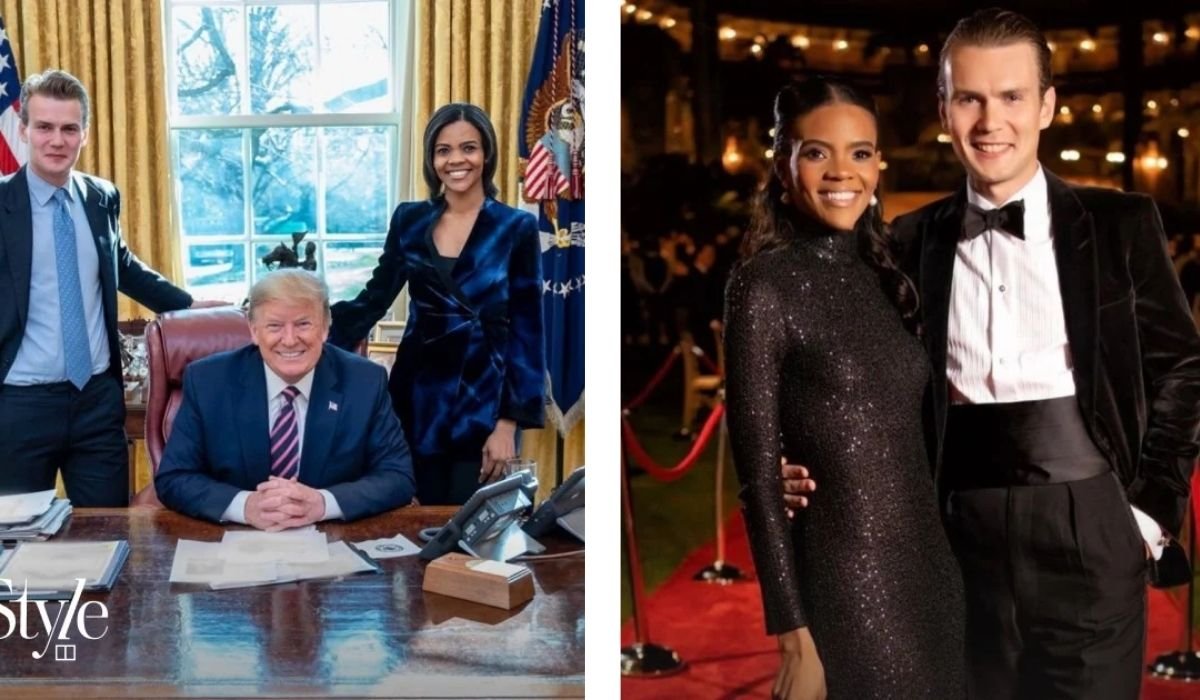
The modern digital landscape and contemporary political spheres feature various prominent figures, and George Farmer remains a notable subject of discussion across many circles. Born into a British aristocratic family with deep roots in finance and politics, his journey spans prestigious educational institutions like Oxford University, high-profile corporate leadership roles within alternative technology platforms, and significant cultural commentary. Observers frequently analyze his trajectory because it intersects uniquely with modern conservative movements, digital free-speech debates, and high-profile media partnerships. Exploring his background provides a comprehensive view of how contemporary public figures navigate the evolving intersections of technology, ideology, and international media attention today.
Early Life and Family Background of George Farmer
Growing up in London provided George Farmer with a distinct upbringing shaped by traditional British institutions and financial prominence. His father, Michael Farmer, achieved significant success as a hedge fund manager before entering the House of Lords as a life peer, granting the family substantial public recognition. This elite environment strongly influenced his formative years, instilling a deep familiarity with high-level financial structures and conservative political philosophies. Family discussions often bridged global economic markets with traditional social values, creating a foundational worldview that would guide his later professional endeavors and public commitments across multiple sectors.
Academic Years at St Pauls School
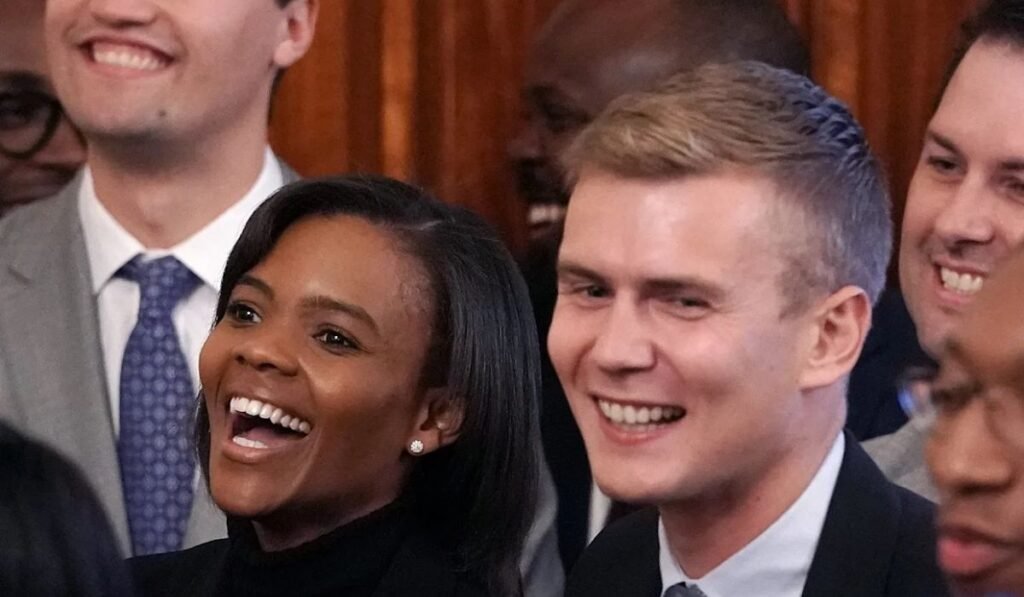
Before entering higher education, George Farmer attended St Pauls School in London, an institution renowned for academic rigor and producing influential leaders. The school environment emphasized critical thinking, classical learning, and competitive excellence, allowing him to refine his analytical skills. Engaging with rigorous curricula and diverse student perspectives helped shape his intellectual framework during his adolescence. These foundational years prepared him for the intense academic demands of top-tier universities, laying the groundwork for his subsequent pursuits in theology, philosophy, and broader public engagement within British society.
Pursuing Higher Education at Oxford University
Continuing his academic journey, George Farmer enrolled at the University of Oxford, where he focused his studies primarily on theology. Immersing himself in historical religious texts and philosophical arguments allowed him to develop a nuanced understanding of Western moral frameworks. Academic life at Oxford also involved participating in historic student societies, which further integrated him into traditional collegiate networks. These university experiences not only expanded his academic horizons but also connected him with peers who would similarly pursue prominent roles in media, commerce, and political activism.
Membership in the Bullingdon Club
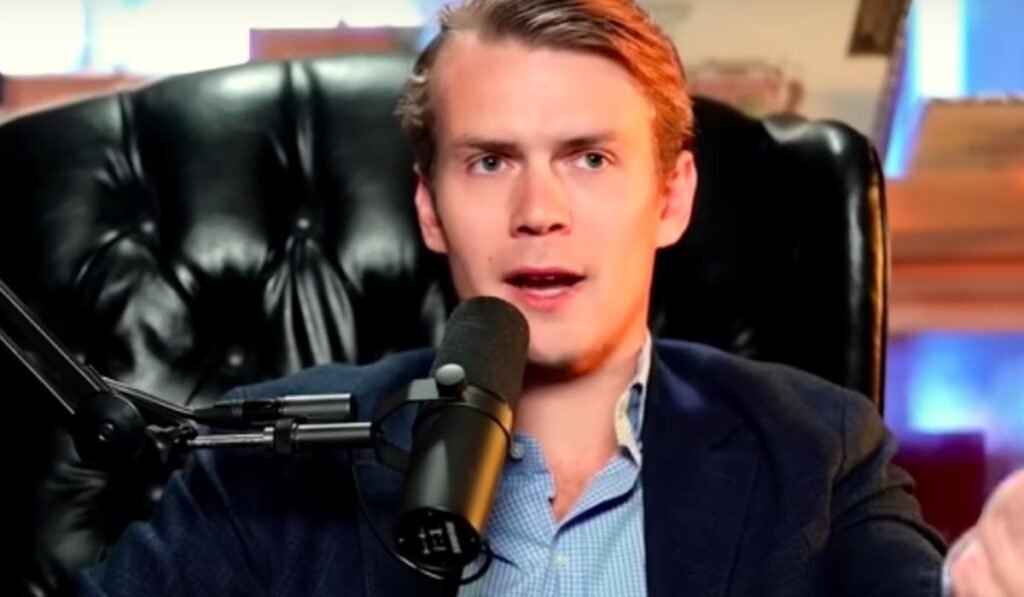
During his time at Oxford University, George Farmer famously became a member of the exclusive and controversial Bullingdon Club. This all-male student dining society has historically drawn intense public scrutiny due to its elite membership, extravagant traditions, and association with future political leaders. Participation in this selective group placed him squarely within traditional circles of upper-class British privilege. While critics often view such societies as symbols of unchecked entitlement, supporters argue they simply represent historic collegiate networking traditions unique to the ancient British university system.
Involvement with Turning Point UK
Stepping into political activism, George Farmer assumed the role of chairman for Turning Point UK when the organization launched in early 2019. As the British chapter of an American conservative student advocacy group, the organization aimed to challenge progressive dominance across academic institutions and cultural spaces. His leadership placed him at the forefront of polarizing public debates regarding free expression, institutional bias, and political correctness. Although the group faced considerable pushback from critics and mainstream commentators, it successfully galvanized a distinct cohort of right-leaning youth across the United Kingdom.
Political Aspirations and the Brexit Party Campaign

Expanding his footprint beyond student advocacy, George Farmer contested a seat during the 2019 European Parliament elections as a candidate for the Brexit Party. Representing the South East England constituency, he aligned his campaign with the broader populist momentum aiming to secure a decisive departure from the European Union. Although he ultimately did not secure election, the campaign solidified his reputation as a committed advocate for national sovereignty and Eurosceptic policies. This political foray demonstrated his willingness to directly engage in electoral politics rather than remaining solely a commentator or organizational leader.
Leadership Role as CEO of Parler
Achieving international corporate prominence, George Farmer took over as the chief executive officer of Parler and its parent company, Parlement Technologies, in May 2021. Taking the helm of the alternative social networking service presented immense challenges, particularly as the platform worked to restore its presence across major app stores following prior controversies. Under his direction, the company positioned itself as a champion for digital free speech, resisting perceived censorship by mainstream tech giants. His executive tenure involved navigating complex regulatory environments, managing high-stakes corporate shifts, and defending the platform’s core ideological mission.
Defending Uncensored Digital Communication Spaces
Throughout his tenure guiding digital platforms, George Farmer consistently emphasized the fundamental importance of protecting open dialogue on the internet. He argued that modern society suffers when major technology conglomerates arbitrarily restrict speech or penalize viewpoints that deviate from prevailing orthodoxies. By providing infrastructure for un-cancelable ecosystems, his work sought to empower users who felt alienated by mainstream moderation policies. This philosophical stance resonated deeply with conservative audiences globally who viewed digital censorship as one of the most pressing civil liberties challenges of the modern technological era.
High-Profile Marriage to Candace Owens
Personal life and public career merged significantly when George Farmer married the prominent American political commentator and author Candace Owens in 2019. Their union quickly established them as an influential transatlantic power couple within conservative media circles, blending British aristocratic background with American populist commentary. Together, they frequently address large audiences, appearing across various digital platforms and speaking engagements to critique progressive cultural trends. Their marriage has continually kept both figures at the center of intense media coverage, combining personal partnership with shared professional and ideological trajectories.
Relocating to Nashville and Family Life
Transitioning away from intensive urban corporate centers in the United Kingdom, George Farmer and his family eventually settled in Nashville, Tennessee. This relocation placed them in a vibrant hub for American conservative media and cultural production, aligning closely with their professional networks. As a father of multiple children, he frequently balances demanding public responsibilities with private family life. Moving across the Atlantic allowed the family to navigate intense public scrutiny while maintaining a stable home environment rooted in traditional values and close community ties within the American South.
Deeply Held Religious Views and Conversion
Religious faith plays a central role in the personal life of George Farmer, who was raised within an Evangelical Christian household before ultimately converting to Roman Catholicism. His academic studies in theology at Oxford deeply informed this spiritual evolution, as historical and theological investigations led him to view traditional Catholicism as more intellectually and spiritually coherent. This devotion influences his worldview, guiding his perspectives on ethics, family structure, and cultural preservation. His public adherence to traditional religious doctrines often shapes how he evaluates contemporary social developments and institutional changes.
Involvement with GB News and Media Ventures
Continuing his expansion within modern media landscapes, George Farmer became a board member and active participant in various broadcasting initiatives, including projects associated with GB News. This involvement allowed him to help shape alternative news delivery formats that challenge traditional broadcast monopolies in the United Kingdom. By supporting platforms focused on populist perspectives and unvarnished commentary, he contributed to the diversification of British media outlets. These ventures reflect his ongoing commitment to building infrastructure capable of countering mainstream media narratives and fostering broader ideological diversity.
Public Perception and Media Scrutiny
Public perception of George Farmer remains deeply polarized, reflecting broader ideological divides across contemporary Western societies. Supporters view him as a principled defender of free expression, national sovereignty, and traditional values against corporate and cultural overreach. Conversely, critics often characterize his background and activism as emblematic of elite entitlement and performative conservatism designed to provoke outrage. This duality ensures that his public appearances, business decisions, and media ventures consistently generate robust discussion and debate across political spectrums.
Economic Views and Financial Background
Rooted in a family legacy closely tied to global finance, George Farmer maintains a robust understanding of macroeconomic principles, market mechanics, and fiscal conservatism. His views generally favor free-market capitalism, limited government intervention, and sound monetary policies that protect individual enterprise. Having observed international financial markets from an early age through his father’s career, he frequently critiques excessive regulatory burdens placed on businesses. These economic philosophies underpin much of his skepticism toward state-led economic initiatives and corporate cronyism in both Britain and America.
International Outlook and Geopolitical Perspectives
The worldview of George Farmer extends far beyond domestic British politics, encompassing a broad international perspective on global governance and cultural shifts. His dual engagement with both European and American political landscapes gives him unique insight into how transatlantic relations impact nationalist movements. He strongly advocates for national autonomy, criticizing supranational bodies that seek to diminish the legislative power of individual nation-states. This geopolitical stance aligns seamlessly with his earlier support for Brexit and his ongoing critique of globalist policy frameworks.
Philanthropic Pursuits and Charitable Interests
Beyond his corporate and political endeavors, George Farmer participates in various philanthropic initiatives, often focusing on community support, educational advancement, and religious organizations. Drawing upon his family’s philanthropic history, he directs resources toward causes that align with his traditional Christian values and social convictions. While many of these charitable efforts occur quietly away from the spotlight, they reflect a sustained desire to contribute meaningfully to institutions supporting family stability and faith-based community development across different regions.
Future Outlook and Continuing Public Influence
Looking ahead, the professional and public trajectory of George Farmer points toward continued engagement in alternative media, digital technology, and political commentary. As digital landscapes continue to shift under the pressures of artificial intelligence, regulation, and shifting user habits, figures who pioneered alternative platforms remain vital to ongoing industry transformations. Whether through media production, corporate leadership, or ideological advocacy, he is well-positioned to maintain a prominent voice within global conservative movements for years to come.
Summary of Legacy and Impact
In summary, the journey of George Farmer encapsulates a fascinating intersection of elite British heritage, digital entrepreneurship, and aggressive populist advocacy. From his early days at Oxford University to his executive leadership of tech platforms and high-profile media partnerships, he has consistently challenged conventional institutional boundaries. Love him or criticize him, his capacity to influence digital discourse and align with major cultural movements ensures that his ongoing contributions will remain a significant focal point in studies of modern media and politics.
FAQs
- Who is George Farmer?
- George Farmer is a British businessman, entrepreneur, and former CEO of the social media platform Parler.
- Who is George Farmer married to?
- He has been married to the well-known American political commentator Candace Owens since 2019.
- What university did George Farmer attend?
- He attended the University of Oxford, where he earned a degree in theology.
- What political organization did George Farmer lead in the UK?
- He served as the chairman of Turning Point UK during its initial launch period in 2019.
- Where can readers find more information about George Farmer?
- Readers can explore comprehensive background details on the George Farmer page.