The world of journalism and media production has witnessed many brilliant minds, yet few have left an impact quite like hugh lambert. Born with an innate passion for storytelling and investigative rigor, his journey through the print medium established new standards for editorial excellence. From his early days navigating the fast-paced newsrooms to holding senior leadership roles, every step of his professional path reflected profound dedication. Colleagues and industry peers frequently remembered his sharp intellect, calm demeanor under tight deadlines, and unwavering commitment to journalistic integrity. Exploring his extensive career offers valuable insights into the changing landscape of modern publishing and newsroom management.
Quick Bio
| Attribute | Detail |
| Full Name | Hugh Lambert |
| Profession | Journalist, Editor, Film Critic |
| Birth Date | May 27, 1944 |
| Death Date | December 26, 2005 |
| Key Affiliations | The Irish Press, The Irish Times, Evening Press |
Early Beginnings in Journalism
Stepping into the dynamic environment of mid-century print media required exceptional resilience, a trait that hugh lambert demonstrated right from the start. Entering the profession during the early 1960s allowed him to absorb foundational reporting techniques directly from seasoned veterans. Working behind the scenes as a sub-editor taught him the critical importance of factual accuracy, concise phrasing, and striking layout designs. Those formative years shaped his unique voice and prepared him for larger editorial responsibilities that would eventually define his professional legacy. The relentless pace of daily deadlines fostered a disciplined work ethic that remained evident throughout his entire career.
Transition into Film Criticism
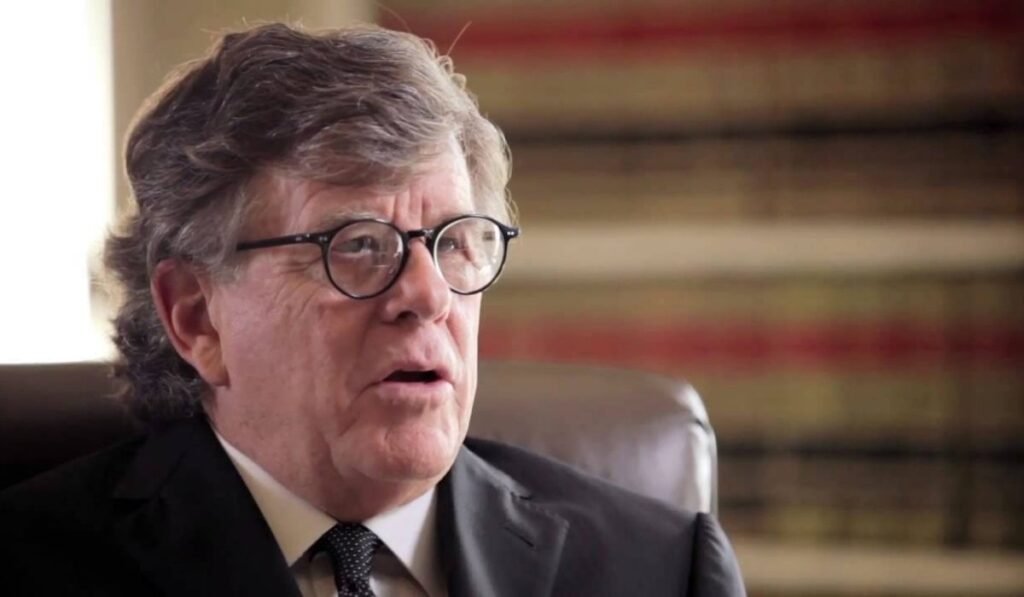
Media landscapes thrive on diverse content sections, and stepping into the realm of cinema analysis allowed hugh lambert to showcase his creative versatility. Reviewing motion pictures required a fine balance between artistic appreciation and objective evaluation, capturing audience interest while maintaining critical standards. His thoughtful critiques provided readers with deep perspectives on domestic and international cinematic trends during a period of major cultural shifts. This assignment broadened his public profile, proving that his editorial capabilities extended far beyond hard news and traditional reporting formats. Cinematic storytelling deeply influenced his broader approach to narrative structure in print journalism.
Ascending to Production Editor
Mastering the mechanics of newspaper layout and operational flow paved the way for hugh lambert to take on heavier administrative duties. Managing production demands coordination among writers, photographers, designers, and printing departments to ensure daily editions met strict distribution schedules. His leadership in this capacity minimized operational bottlenecks and enhanced the visual appeal of every page published under his watch. Staff members appreciated his calm guidance during high-pressure situations when breaking news threatened to disrupt routine workflows. Streamlining these complex processes cemented his reputation as a dependable operational anchor within the organization.
Taking the Helm at The Irish Press

Reaching the pinnacle of print journalism occurred when hugh lambert was appointed to lead a major national publication during a transformative era. Guiding an influential news outlet demanded strategic vision, political neutrality, and an acute understanding of shifting readership demographics. He navigated complex editorial decisions with steady resolve, ensuring that important social issues received fair and comprehensive coverage. Under his direction, the publication continued to address national concerns with depth and intellectual rigor, earning respect from both peers and critics. This milestone marked the definitive zenith of his distinguished career in newspaper publishing.
Navigating Industry Challenges
The final decades of the twentieth century brought unprecedented economic and technological hurdles to traditional print media enterprises everywhere. Balancing declining circulations with rising production costs required innovative thinking and strict financial prudence from leadership teams like the one led by hugh lambert. Despite these mounting pressures, he maintained high journalistic standards, refusing to compromise quality for sensationalism. His resilience in the face of structural industry changes demonstrated true professional grit and dedication to public service through information. These difficult years tested the resolve of every newsroom worker involved in the production process.
Legacy within The Irish Times
Following significant shifts in the national media landscape, hugh lambert brought his immense expertise to another prestigious publication to oversee vital special reports. Focusing on specialized journalism allowed him to dive deep into comprehensive investigative pieces that required meticulous research and analysis. His ability to organize complex data into engaging reader formats enriched the publication’s investigative offerings significantly. Colleagues during this final chapter of his career frequently praised his mentorship and willingness to guide younger reporters entering the field. This period highlighted his enduring adaptability and lifelong passion for quality journalism.
Editorial Philosophy and Vision
Every great journalist operates under a distinct set of guiding principles, and the core philosophy of hugh lambert centered on absolute truth and fairness. He believed that newspapers served as the primary guardians of democracy by holding powerful institutions accountable to the general public. This mindset translated into rigorous fact-checking protocols and an insistence on balanced reporting across all controversial topics. Younger staff members often looked to his professional conduct as a gold standard for ethical decision-making inside a bustling newsroom. Such deeply rooted values ensured that his contributions left a lasting mark on contemporary media ethics.
The Human Element in Newsrooms
Beyond professional titles and administrative duties, hugh lambert was widely celebrated for his warm personality and supportive camaraderie among peers. Newsrooms are notoriously stressful environments, yet his optimistic outlook and dry wit often diffused tension during critical publishing hours. He took genuine interest in the personal and professional growth of junior staff, offering constructive feedback without undermining confidence. Creating a collaborative atmosphere enabled his teams to perform at their absolute best, transforming high-stress environments into spaces of creative synergy. This human-centric approach built deep loyalty among everyone who worked alongside him.
Impact on Modern Media Standards
Evaluating the evolution of contemporary reporting reveals foundational elements established by pioneers like hugh lambert throughout his decades of service. The structural integrity of multi-section newspapers, precise sub-editing practices, and thoughtful cultural critique all benefited from his direct involvement. Modern digital and print publications still rely on the logistical frameworks and editorial rigor that characterized his generation of news leaders. Recognizing these contributions helps current media practitioners understand the historical roots of professional accountability. His methodologies continue to resonate across various educational and professional training grounds today.
Remembering a Dedicated Professional
The sudden passing of hugh lambert in late 2005 marked a somber moment for the entire Irish journalistic community and beyond. Tributes poured in from former colleagues, political figures, and industry competitors, highlighting his remarkable character and professional achievements. Memorial articles emphasized his unwavering dedication to the printed word and his gentle guidance through turbulent industry transitions. Remembering his life reminds current generations of the profound personal sacrifices required to maintain a free and active press. His memory remains cherished by all who had the privilege of knowing him personally.
Reflections from Colleagues and Peers
Listening to stories shared by those who worked side-by-side with hugh lambert reveals a portrait of an exceptionally humble yet brilliant mind. Individuals recalled instances where his quick thinking saved major investigative stories from legal pitfalls or logistical disasters. He never sought personal glory or public acclaim, preferring instead to let the quality of the published work speak for itself. Such modesty is rare in high-profile media positions, making his professional conduct even more admirable to those who witnessed it daily. These shared recollections paint a vivid picture of a truly remarkable workplace leader.
The Evolution of Print Production
Tracing the technical changes in newspaper publishing throughout the career of hugh lambert highlights a massive shift toward digital integration. When he started in the early sixties, hot metal typesetting dominated the industry, whereas later decades introduced computerized pagination systems. Adapting to these technological leaps demanded continuous learning and flexibility from editorial production teams everywhere. His ability to master new production techniques ensured that his publications remained competitive in a rapidly modernizing market. This technological adaptability remains a core lesson for today’s digital media landscape.
Mentorship and Future Generations
Investing time in mentoring aspiring writers was a hallmark of the daily routine maintained by hugh lambert during his extensive career. He understood that the future of journalism depended heavily on passing down rigorous ethical standards and practical craft skills to newcomers. Rather than imposing rigid rules, he encouraged critical thinking and independent investigation among junior reporters under his supervision. Many successful journalists today credit their foundational training and professional ethics to his patient and insightful mentorship. This educational legacy ensures his influence extends far beyond the articles he personally edited.
The Cultural Context of Irish News
Reporting news in Ireland during the latter half of the twentieth century required navigating complex social, political, and cultural dynamics. During this period, hugh lambert played a crucial role in ensuring that national newspapers addressed sensitive issues with nuance. His editorial direction balanced traditional values with progressive social commentary, reflecting the changing heartbeat of the nation. Understanding this specific cultural backdrop illuminates why his leadership was so vital to the publications he served. He helped shape public discourse during some of the most critical decades in modern history.
Archival Value of Historical Newspapers
Preserving physical and digital archives of the work overseen by hugh lambert provides researchers with invaluable windows into the past. Historians rely heavily on well-edited newspapers to track social trends, political developments, and economic fluctuations over time. The meticulous attention to detail he demanded in every edition ensures that these historical records remain accurate and reliable. Future generations studying late twentieth-century media will undoubtedly find his editorial fingerprints across major national archives. Good journalism ultimately serves as the first rough draft of history itself.
Awards, Recognitions, and Tributes
Throughout his lifetime, the professional excellence demonstrated by hugh lambert earned him deep respect across the broader European media community. While he rarely chased accolades, his peers frequently acknowledged his steady hand and visionary approach to complex reporting projects. Tributes published upon his passing highlighted not only his professional competence but also his personal warmth and integrity. These honors reflected a collective appreciation for a career dedicated entirely to the pursuit of truth and quality publishing. Such recognition solidifies his status as a pillar of modern journalism.
Lessons in Leadership and Resilience
Examining the professional trajectory of hugh lambert offers powerful lessons in navigating adversity and maintaining focus during difficult professional moments. Whether facing corporate restructuring, technological disruption, or tight daily deadlines, his composure never wavered under pressure. Aspiring leaders across various industries can learn a great deal from his balanced approach to administrative authority and human empathy. True leadership, as demonstrated by his career, is built on trust, competence, and unwavering dedication to collective goals. These principles remain universally applicable across all professional domains today.
Continuing the Journalistic Mission
The mission championed by hugh lameters of truth, accountability, and public education—lives on through contemporary media channels and dedicated reporters. Even as digital platforms transform how audiences consume information, the core demand for rigorous fact-checking remains unchanged. Remembering his contributions reinforces the necessity of maintaining ethical boundaries in an era of rapid information dissemination. Modern newsrooms continue to draw inspiration from the high standards he established throughout his working life. His professional ethos serves as an enduring lighthouse for ethical reporting practices worldwide.
Summary of an Exemplary Life
Concluding this comprehensive review of hugh lambert highlights a life defined by quiet dedication, professional brilliance, and profound human kindness. From his beginnings as a young sub-editor to leading major national newspapers, every phase of his journey reflected extraordinary commitment. He transformed newsrooms into spaces of collaboration, precision, and unwavering ethical standards that influenced generations of reporters. Though he passed away, his monumental impact on journalism continues to inspire those who value truth in media. His legacy remains an indelible part of modern publishing history.
FAQs
- Q1: Who was hugh lambert?
- He was a prominent Irish journalist, film critic, and the final editor of The Irish Press.
- Q2: When did hugh lambert live?
- He was born on May 27, 1944, and passed away on December 26, 2005.
- Q3: Which major newspapers did hugh lambert work for?
- He worked with the Evening Press, Sunday Press, The Irish Press, and The Irish Times.
- Q4: What roles did hugh lambert hold during his career?
- He served as a sub-editor, film critic, production editor, and newspaper editor.
- Q5: Where can I read more about hugh lambert?
- You can find additional details on Hugh Lambert.