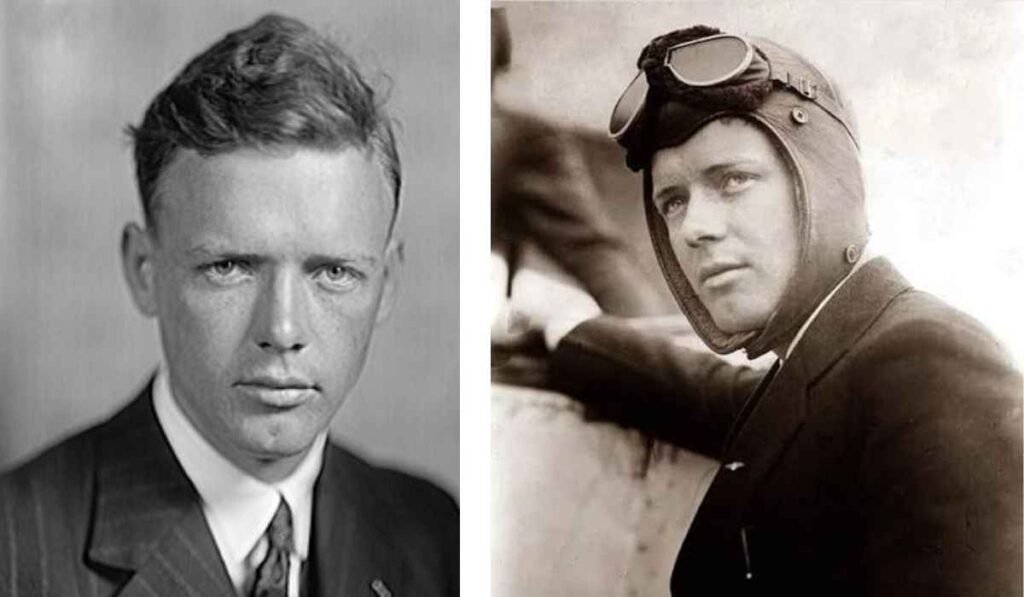
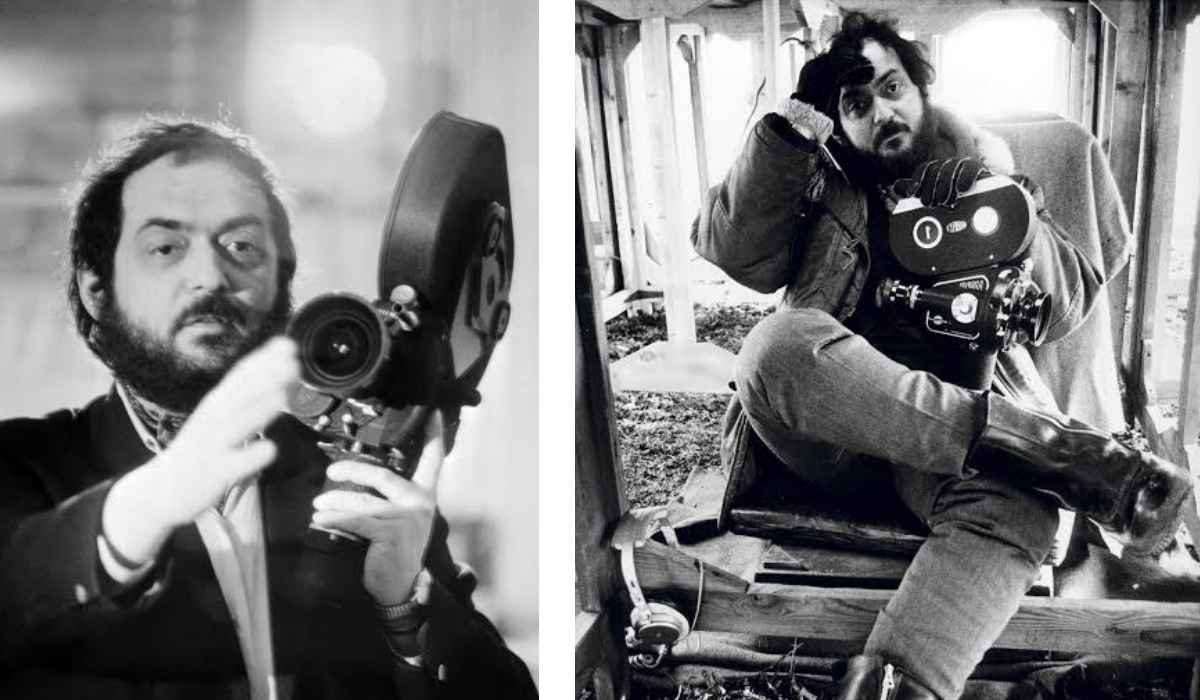
The history of world cinema features numerous visionary directors, yet few achieved the legendary status of Stanley Kubrick. Born in New York City, he transformed from a sharp-eyed photojournalist into an uncompromising cinematic perfectionist. His meticulous dedication to framing, lighting, and narrative depth redefined artistic possibilities across multiple genres. From chilling psychological horror to visionary science fiction, his filmography remains an enduring benchmark for creators worldwide.
Audiences and critics continually analyze his complex themes, technical innovations, and distinctive visual geometry. Exploring his creative journey reveals a profound commitment to uncompromising artistic expression, deeply influencing generations of modern filmmakers and cineastes who study his timeless masterpieces with immense admiration.
Quick Bio
| Feature | Detail |
| Birth Name | Stanley Kubrick |
| Birth Date | July 26, 1928 |
| Birth Place | New York City, USA |
| Death Date | March 7, 1999 |
| Occupation | Filmmaker, Director, Photographer |
| Notable Works | 2001: A Space Odyssey, The Shining |
Early Life and Photographic Beginnings
Growing up in the Bronx, Stanley Kubrick displayed an early aptitude for chess and still photography that shaped his artistic perspective. His father gifted him a Graflex camera during his early teens, sparking a lifelong passion for capturing striking visual compositions. He spent countless hours roaming city streets, developing an intuition for framing human emotion and architectural geometry. These formative years working for Look magazine honed his technical eye and taught him how storytelling could unfold through single, powerful frames. This foundational background ultimately paved the way for his legendary transition into motion picture direction, where every single shot was meticulously planned and executed with absolute precision by Stanley Kubrick.
Transition to Independent Filmmaking
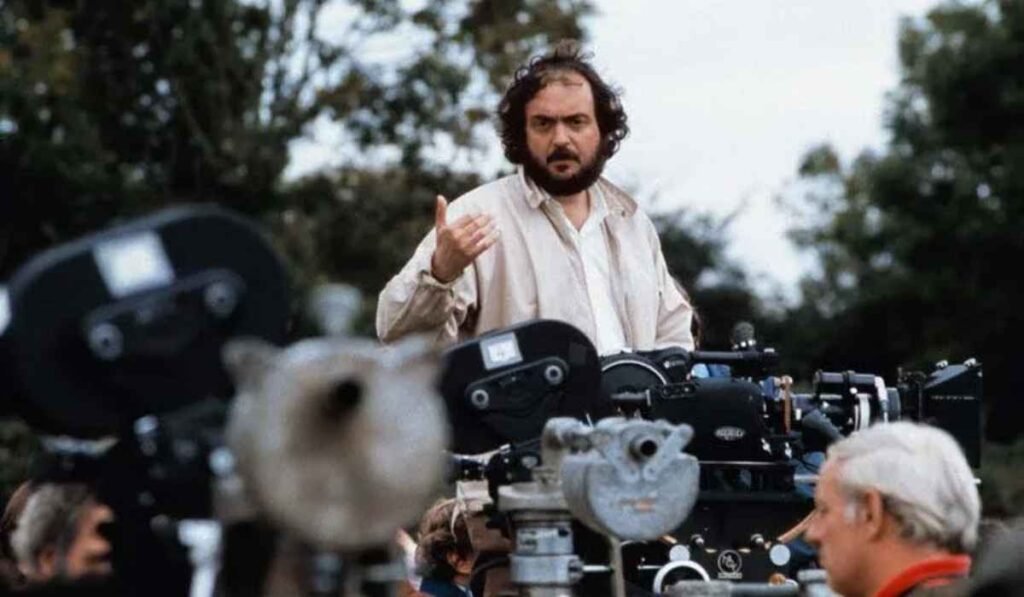
Stepping away from photojournalism, Stanley Kubrick ventured into motion pictures with scarce financial resources but boundless creative ambition and raw talent. His early short documentaries captured gritty human realities, establishing a gritty aesthetic that soon permeated his debut feature projects. Working with tight budgets and small crews, he often served as his own director, cinematographer, and editor to maximize control. These initial hurdles fostered a resilient DIY attitude, ensuring that Stanley Kubrick would never compromise his distinct vision for external studio pressures or commercial trends, laying a solid foundation for a long career.
Developing Noir Mastery
Moving into narrative fiction, Stanley Kubrick explored the dark, cynical underbelly of human nature through stylish crime thrillers and gritty film noir pictures. Movies like Killer’s Kiss and The Killing showcased innovative nonlinear storytelling techniques and sharp dialogue that challenged conventional Hollywood formulas of that era. His precise camera angles and atmospheric lighting turned ordinary urban environments into labyrinths of suspense, tension, and moral ambiguity. Critics quickly noticed these emerging stylistic trademarks, recognizing that Stanley Kubrick possessed a rare technical maturity and psychological insight that separated him from most conventional studio directors working in mainstream American cinema.
Redefining War Cinema

Addressing the harrowing realities of combat, Stanley Kubrick delivered one of the most powerful anti-war statements ever captured on celluloid with a classic masterpiece. Set during the First World War, the film exposed military incompetence and institutional callousness through stark, uncompromising visual compositions. His stark framing and relentless pacing placed viewers directly into the psychological trench of human conflict without glorifying the violence. This critical success cemented the international reputation of Stanley Kubrick as an uncompromising chronicler of human folly, institutional corruption, and systemic tragedy who refused to sugarcoat difficult truths for mainstream audiences.
Embracing Epic Spectacle
Taking on major studio assignments, Stanley Kubrick assumed the director’s chair for a massive historical epic centered on a famous Roman slave rebellion. Despite facing intense creative constraints and studio interference during production, he managed to infuse the grand canvas with dramatic tension and psychological depth. The monumental project demonstrated his ability to handle vast casts, elaborate sets, and enormous budgets while maintaining strict narrative discipline and control. Although he later distanced himself from the final studio cut, the monumental scale proved that Stanley Kubrick could successfully conquer mega-productions while refining his overarching cinematic language.
Navigating Controversy with Satire
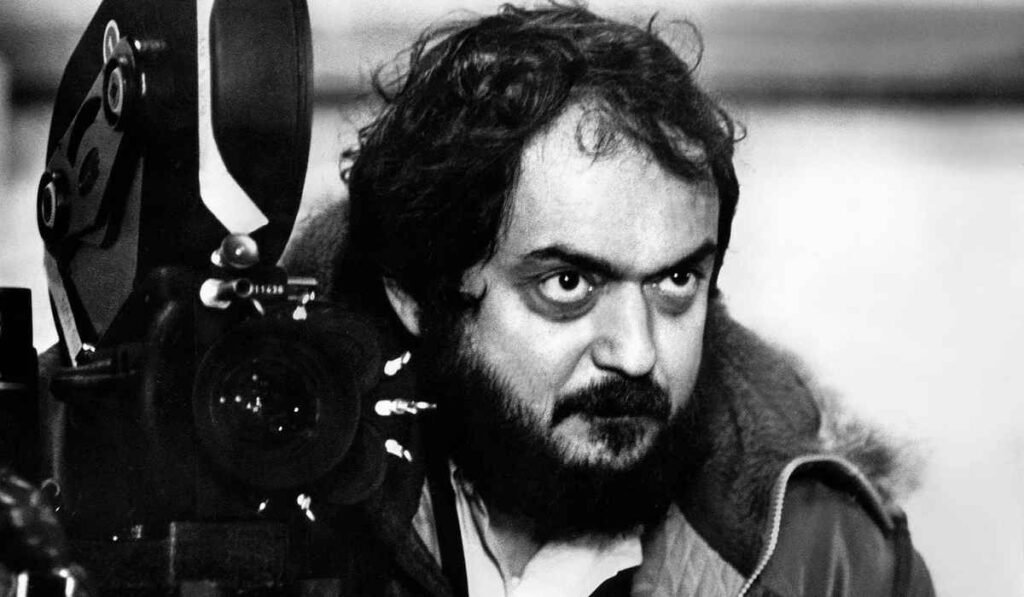
Adapting Vladimir Nabokov’s controversial novel brought Stanley Kubrick face-to-face with rigid censorship boards and public apprehension regarding sensitive subject matter. He handled the delicate narrative tightrope with sharp irony, dark humor, and calculated stylistic distancing that bypassed conventional moralizing. This project paved the way for his subsequent Cold War masterpiece, a biting satirical look at nuclear annihilation featuring iconic performances. By blending absurd comedy with terrifying global stakes, Stanley Kubrick proved that complex political commentary could achieve both commercial success and enduring cultural relevance through the unique artistic lens of Stanley Kubrick.
Pioneering Sci-Fi Realism
Redefining the boundaries of visual effects and philosophical storytelling, Stanley Kubrick released a monumental science fiction epic that changed cinema forever. Collaborating closely with author Arthur C. Clarke, he crafted a visually stunning narrative exploring human evolution, technology, and extraterrestrial intelligence. The groundbreaking practical effects, classical soundtrack integration, and minimal dialogue created an immersive, hypnotic experience that challenged mainstream narrative conventions. Winning an Academy Award for his revolutionary visual achievements, Stanley Kubrick established a timeless masterpiece that continues to inspire scientists, philosophers, and visionary filmmakers across the globe today.
Exploring Ultra Violence and Society
Provoking intense cultural debates worldwide, Stanley Kubrick adapted Anthony Burgess’s dystopian novella into a chilling exploration of free will and state control. The film utilized striking futuristic design, classical music counterpoint, and unsettling psychological performances to examine the roots of modern delinquency. Due to intense public controversy and media scrutiny surrounding copycat incidents in the United Kingdom, Stanley Kubrick famously requested its withdrawal from British distribution for years. Despite the initial uproar, the movie remains a landmark sociological artifact, prompting ongoing academic discussions regarding media violence and morality championed by Stanley Kubrick.
Mastering Period Aesthetics
Shifting aesthetic gears entirely, Stanley Kubrick crafted a visually breathtaking historical drama using natural lighting techniques inspired by eighteenth-century paintings. By utilizing specialized NASA-developed lenses, he managed to shoot entire sequences lit only by the faint, authentic glow of actual wax candles. Every single frame functioned as a living painting, immersing audiences deeply into the tragic rise and fall of an eighteenth-century opportunist. This painstaking dedication to historical atmosphere and technological innovation demonstrated the relentless perfectionism that always defined the legendary filmmaking career of Stanley Kubrick.
Perfecting Psychological Horror
Venturing into the horror genre, Stanley Kubrick transformed a Stephen King bestseller into a masterclass of isolation, dread, and atmospheric tension. Utilizing newly invented Steadicam technology, his fluid camera tracking shots glided effortlessly through the labyrinthine corridors of an isolated, snowbound hotel. The chilling performances, symmetrical framing, and unsettling sound design created an inescapable environment of psychological unraveling and supernatural terror. Today, this iconic film is widely celebrated as one of the greatest horror achievements in cinematic history, engineered precisely through the meticulous genius of Stanley Kubrick.
Critiquing Modern Warfare Realism
Returning to the theme of armed conflict, Stanley Kubrick examined the dehumanizing psychological conditioning of United States Marines during the Vietnam War. Split into two distinct halves, the narrative starkly contrasted brutal boot camp indoctrination with the urban destruction of the Tet Offensive. His clinical framing and detached perspective avoided easy moral judgments, focusing instead on how institutional environments strip away individual empathy. This powerful visual critique solidified the reputation of Stanley Kubrick as a director who consistently dissected systemic brutality with unmatched intellectual rigor and uncompromising honesty.
Crafting Final Cinematic Visions
Concluding his illustrious career, Stanley Kubrick spent years meticulously developing an erotic psychological thriller that examined the hidden complexities of modern marriage. Starring Tom Cruise and Nicole Kidman, the film plunged audiences into a nocturnal New York odyssey of jealousy, desire, and psychological temptation. Tragically passing away shortly after completing the final cut, he never witnessed the film’s global release. This haunting final chapter provided a fittingly mysterious conclusion to an extraordinary artistic career, leaving behind a legacy fiercely guarded and deeply studied by Stanley Kubrick enthusiasts everywhere.
Mastering the Art of Pacing
Analyzing the editing rhythm across his filmography reveals how Stanley Kubrick utilized deliberate pacing to build overwhelming tension and intellectual engagement. He frequently rejected rapid-fire Hollywood editing in favor of lingering, symmetrical compositions that allowed viewers to absorb every intricate detail within the frame. This calculated slowness forced audiences to actively participate in decoding the psychological undercurrents of each scene. By controlling the exact temporal flow of his narratives, Stanley Kubrick ensured that every single sequence carried maximum emotional weight, conceptual resonance, and unforgettable visual impact.
Collaborating with Creative Genius
Achieving cinematic greatness often requires exceptional teamwork, and Stanley Kubrick regularly partnered with top-tier novelists, designers, and actors to elevate his projects. Whether working alongside science fiction writers or demanding peak performances from legendary actors, he maintained absolute creative control while welcoming vital artistic input. These collaborations were rarely easy, often involving dozens of exhaustive retakes to capture authentic emotional vulnerability. Nevertheless, the resulting synergy consistently pushed creative boundaries, proving that the demanding collaborative standards set by Stanley Kubrick produced unparalleled cinematic milestones across generations.
Analyzing Architectural Symmetry
Walking through the visual worlds constructed by Stanley Kubrick reveals an obsessive reliance on one-point perspective and striking architectural symmetry. Whether framing long hotel hallways, spaceship corridors, or military barracks, he used geometric lines to create a sense of entrapment and clinical order. This distinct spatial arrangement often contrasted sharply with the chaotic, destructive behaviors of the characters inhabiting those spaces. Such brilliant visual irony became a signature trademark, enabling Stanley Kubrick to communicate deep psychological themes visually rather than relying solely on traditional exposition.
Directing Legendary Performances
Extracting unforgettable performances from legendary actors was a hallmark of the arduous production style practiced consistently by Stanley Kubrick. He famously pushed casts through grueling numbers of repeated takes, breaking down their psychological defenses until raw, authentic reactions emerged organically on camera. From manic drill instructors to obsessive chess players and detached intellectuals, his actors invariably delivered career-defining work under his guidance. This intense psychological environment ensured that the human element within every movie directed by Stanley Kubrick remained as arresting as the technical brilliance surrounding it.
Maintaining Total Creative Independence
Retaining complete artistic autonomy from major studio interference allowed Stanley Kubrick to pursue his idiosyncratic creative passions without commercial compromise. Operating primarily as an expatriate in the English countryside, he managed his productions like a private research laboratory dedicated to cinematic excellence. This legendary reclusiveness only heightened public fascination with his infrequent, highly anticipated masterworks. By refusing to play the traditional Hollywood publicity game, Stanley Kubrick established a blueprint for independent creative control that modern auteurs still strive to emulate today.
Inspiring Generations of Auteurs
Leaving an indelible mark on global culture, Stanley Kubrick remains a primary source of inspiration for virtually every major contemporary filmmaker. Directors frequently cite his meticulous framing, fearless genre-hopping, and uncompromising artistic vision as a North Star for their own creative endeavors. Film schools worldwide dedicate entire semesters to analyzing his complex narrative structures, lighting setups, and thematic motifs. This enduring pedagogical influence guarantees that the artistic heartbeat of Stanley Kubrick will continue beating strongly through future generations of visual storytellers and cinema lovers.
Preserving Archival Legacy
Protecting and restoring his cinematic output has become a vital mission for film archives and cultural institutions dedicated to preserving cinema history. Original camera negatives, detailed production notes, and personal photographs are meticulously maintained to ensure future audiences experience his films precisely as intended. Exhibitions celebrating his creative process travel globally, drawing millions of fans eager to examine his original props, lenses, and script annotations. This ongoing preservation effort ensures that the monumental cultural footprint carved out by Stanley Kubrick remains vibrant, accessible, and deeply revered worldwide.
Cementing Timeless Immortality
Reflecting upon a lifetime of groundbreaking artistic achievement, the enduring influence of Stanley Kubrick grows stronger with each passing decade. His refusal to pass trends or compromise his vision transformed cinema into a high art form capable of profound philosophical inquiry. Every frame he crafted continues to challenge, provoke, and mesmerize audiences searching for intellectual depth on screen. As long as people study the history of moving images, the name Stanley Kubrick will stand as an eternal symbol of uncompromising genius, perfectionism, and cinematic mastery.
Frequently Asked Questions
- How many feature films did Stanley Kubrick direct during his career?
- Stanley Kubrick directed thirteen feature-length motion pictures over the course of his professional filmmaking career.
- Did Stanley Kubrick ever win a competitive Academy Award for directing?
- He never won a competitive Oscar for directing or screenwriting, though he won a competitive Academy Award for his visual effects work on 2001: A Space Odyssey.
- Why did Stanley Kubrick live and work primarily in England?
- He relocated to England in the early 1960s to gain complete artistic control and financial backing away from the Hollywood studio system.
- What camera technology did Stanley Kubrick help popularize in horror cinema?
- He was among the very first directors to widely utilize the Steadicam rig to achieve smooth, fluid tracking shots in The Shining.
- Where can readers find more comprehensive biographical details about his life?
- Detailed historical and filmographic data is available through the FRIENDLY resource page.