

When famous personalities choose to end their lives, the ripples are felt globally, prompting deep conversations about mental health and societal pressures. The phenomenon of suicide by celebrities often leaves millions of fans and followers in profound shock and grief. People frequently wonder how individuals who seem to possess Suicide by celebrities wealth, fame, and adoration can harbor such deep internal pain. Public figures operate in high-pressure environments where constant scrutiny can exacerbate hidden struggles. Examining these tragic events requires sensitivity, empathy, and an understanding of the psychological vulnerabilities that affect everyone, regardless of social status or professional achievement.
Quick Bio Overview
| Metric | Detail |
|---|---|
| Focus Topic | Psychological and societal dimensions of suicide by celebrities |
| Core Theme | Mental health awareness, media contagion, and prevention strategies |
| Primary Goal | Promoting empathy, open dialogue, and accessible support systems |
| Target Audience | Researchers, advocates, and individuals seeking mental health resources |
The Illusion of Wealth and Fame in the Public Eye
Society often equates material success and widespread recognition with absolute happiness and emotional fulfillment. However, the reality of living in the spotlight reveals a much more complex and demanding psychological landscape. When discussing suicide by celebrities, analysts frequently point out that public adoration cannot cure clinical depression or severe anxiety disorders. Stars face intense public expectations, relentless media intrusion, and the burden of maintaining an idealized persona. This disconnect between public perception and private reality creates immense isolation. Wealth provides physical comfort, but it rarely shields a person from deep-seated emotional distress, loneliness, or existential despair.
Constant Public Scrutiny and Social Media Pressure
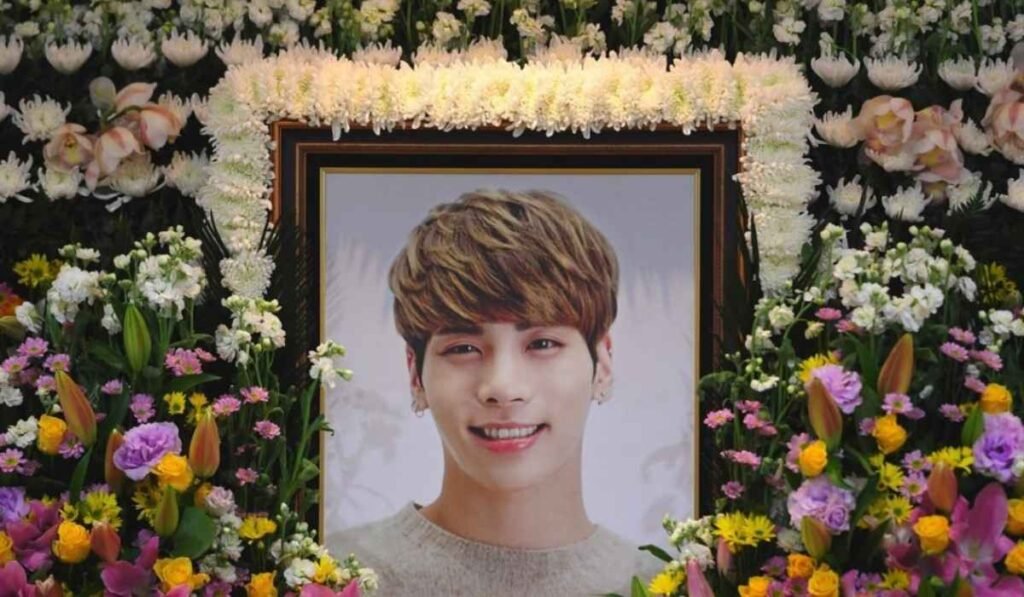
In the modern digital age, public figures face an unprecedented level of scrutiny across various social media platforms. Every action, mistake, or vulnerability is magnified, dissected, and often harshly judged by millions of anonymous users. This relentless online environment can severely impact mental well-being, leading to chronic stress and emotional exhaustion. Incidents involving suicide by celebrities highlight how toxic digital spaces contribute to feelings of hopelessness. When online harassment combines with personal vulnerabilities, the psychological toll can become unbearable. Establishing healthier digital boundaries and fostering compassionate online communities remain essential steps in protecting vulnerable individuals from cyberbullying and its devastating consequences.
The Danger of Media Contagion and Copycat Effects
Media reporting plays a critical role in shaping public reaction following the tragic death of a well-known public figure. Sensationalized headlines or detailed descriptions of methods can inadvertently trigger copycat behaviors among vulnerable individuals in the general population. Public health organizations emphasize responsible journalism guidelines when covering suicide by celebrities to prevent this dangerous contagion effect. Media outlets are urged to include helpline information and focus on stories of recovery and resilience rather than romanticizing tragedy. Ethical reporting practices ensure that public awareness campaigns educate communities effectively without causing unintended harm to those already struggling with suicidal ideation.
The Hidden Nature of Depression Among Entertainers

Depression is a silent and insidious illness that often masks itself behind bright smiles, charismatic performances, and successful careers. Many entertainers excel at projecting confidence while battling severe internal turmoil away from the cameras. Conversations surrounding suicide by celebrities frequently emphasize that mental health struggles do not discriminate based on talent or popularity. Friends, family members, and colleagues are often left blindsided because individuals experiencing deep depression frequently conceal their pain to avoid burdening others. Recognizing subtle behavioral shifts and encouraging honest conversations about mental health can help bridge the gap between hidden suffering and lifesaving professional intervention.
Stigma Surrounding Mental Health in High-Profile Circles
Despite significant progress in mental health advocacy, a heavy stigma still surrounds psychological vulnerability, particularly within high-profile entertainment and sports industries. Famous individuals may fear that admitting to mental health struggles could jeopardize their careers, contracts, or public standing. This fear of professional fallout often forces stars to suffer in silence rather than seeking timely medical help. Addressing suicide by celebrities requires dismantling industry-wide stigmas and creating safe, confidential spaces where performers can prioritize their psychological well-being. Normalizing therapy and mental health days within corporate and artistic environments is vital for saving lives and fostering long-term professional resilience.
The Role of Substance Abuse and Co-Occurring Disorders

Substance abuse frequently intersects with mental health challenges, complicating the emotional landscape for individuals under immense public pressure. Many artists and performers turn to alcohol or drugs as a coping mechanism to numb emotional pain, anxiety, or insomnia. The tragic occurrences of suicide by celebrities often reveal underlying battles with co-occurring disorders that went untreated or unmanaged. Substance dependency can impair judgment, deepen depressive states, and increase impulsivity during moments of acute crisis. Integrated treatment approaches that address both addiction and underlying mental health conditions simultaneously are crucial for providing effective, lasting recovery support.
Isolation at the Top and the Loss of Authentic Connections
Achieving extraordinary success often isolates individuals from authentic human connections, leaving them surrounded by yes-men, managers, and transactional relationships. True intimacy and vulnerability become difficult to maintain when everyone around you has a professional stake in your image. Discussions about suicide by celebrities underscore how profound loneliness can develop even when a person is surrounded by cheering crowds every single night. Genuine support systems rely on unconditional acceptance and safe spaces where public figures can remove their masks. Cultivating authentic relationships outside the entertainment bubble provides a vital emotional anchor during turbulent personal and professional times.
How Fans and Communities Experience Vicarious Grief
When a beloved icon or artist passes away unexpectedly, fans experience a unique form of grief known as parasocial mourning. Followers invest deep emotional energy into the art, music, or performances of public figures, making their loss feel deeply personal. Incidents involving suicide by celebrities can trigger intense emotional distress, anxiety, and unresolved grief within fan communities worldwide. Acknowledging this collective sorrow is important for validating the pain supporters feel. Communities can channel this shared grief into positive action by organizing mental health fundraisers, promoting empathy, and supporting local suicide prevention initiatives together.
The Importance of Compassionate and Responsible Fan Culture
Fan culture has the power to uplift, unite, and provide immense joy, but toxic fandoms can also inflict severe psychological damage on artists. Unrealistic expectations, constant demands, and severe backlash over creative or personal choices take a heavy toll on performers. Reflecting on suicide by celebrities reminds supporters of the human being behind the screen or stage. Cultivating a kinder, more empathetic fan culture involves respecting personal boundaries, celebrating human imperfection, and prioritizing an artist’s health over entertainment value. Fostering positive digital environments ensures that communities remain sources of encouragement rather than pressure.
Institutional Responsibilities within the Entertainment Industry
Film studios, record labels, management agencies, and sports organizations bear a significant responsibility for the well-being of the talent they represent. Historically, the entertainment industry has prioritized commercial output and project deadlines over the psychological health of performers. Cases linked to suicide by celebrities have forced industry leaders to reevaluate duty-of-care protocols and implement mandatory mental health resources. Providing on-set counselors, accessible wellness programs, and flexible scheduling helps protect stars from burnout. Institutional accountability ensures that commercial success never comes at the expense of a human life.
Early Warning Signs That Should Never Be Ignored
Recognizing the behavioral warning signs of acute emotional distress can make the difference between tragedy and intervention. Common indicators include sudden changes in mood, withdrawal from social activities, talking about feeling hopeless, or giving away prized possessions. Discussions centering on suicide by celebrities emphasize that loved ones must remain vigilant and take any expressions of suicidal intent seriously. Listening without judgment, asking direct questions, and encouraging professional evaluation can help de-escalate crisis situations. Educating the broader public on these vital warning signs empowers everyday individuals to act compassionately when someone needs help.
The Critical Need for Accessible Crisis Intervention Resources
Ensuring that mental health support is readily accessible, affordable, and stigma-free is paramount in reducing suicide rates globally. Crisis hotlines, text lines, and community mental health clinics provide immediate, confidential assistance to individuals experiencing overwhelming despair. Following high-profile incidents involving suicide by celebrities, helpline organizations often experience surges in call volume, proving the critical need for robust infrastructure. Expanding funding for mental health services guarantees that anyone in crisis can connect with a trained professional at any hour. No one should ever have to navigate their darkest moments entirely alone.
Moving from Silence to Open Community Conversations
Silence surrounding mental health issues has historically fueled shame, isolation, and preventable tragedies across all levels of society. Breaking this silence requires open, honest conversations in homes, schools, workplaces, and public forums. When society normalizes discussing emotional struggles, individuals feel safer seeking help before reaching a crisis point. Analyzing themes related to suicide by celebrities encourages communities to confront uncomfortable truths and prioritize emotional well-being. Education and open dialogue dismantle misconceptions, transforming awareness into active compassion and systemic support for mental health advocacy.
The Healing Power of Art and Creative Expression
Art has long served as a powerful medium for processing grief, expressing complex emotions, and connecting humanity through shared experiences. Many artists channel their internal struggles into music, writing, painting, or performance, offering comfort to others facing similar battles. While the conversations surrounding suicide by celebrities are heartbreaking, the artistic legacies left behind often inspire ongoing advocacy. Fans and creators use these creative outlets to honor memories, raise awareness, and fund vital mental health research. Art reminds us of our shared vulnerability and the enduring strength found in collective healing.
Global Policy Initiatives and Public Health Strategies
Governments and international health organizations play a vital role in establishing comprehensive suicide prevention strategies and public health policies. Effective frameworks involve restricting access to lethal means, improving healthcare infrastructure, and launching nationwide awareness campaigns. Following widespread discussions about suicide by celebrities, policymakers often introduce legislation to enhance mental health education in schools and workplaces. Collaborative global efforts ensure that suicide prevention remains a top public health priority, driving continuous research, funding, and innovative support models for communities worldwide.
Supporting Survivors and Families Left Behind
The aftermath of a suicide leaves families, friends, and loved ones grappling with profound grief, guilt, and complex emotional trauma. Survivors often face public curiosity and media intrusion while trying to process their immense personal loss in private. Discussions concerning suicide by celebrities must always extend compassion and respect to the families navigating these devastating circumstances. Support groups specifically designed for suicide loss survivors provide safe spaces for sharing experiences and finding comfort. Compassionate community support helps survivors rebuild their lives amidst unimaginable heartbreak.
Transforming Tragedy into Lasting Preventive Action
The ultimate goal of examining tragic public losses is to spark meaningful change that prevents future tragedies from occurring. Communities, advocates, and institutions must work collaboratively to translate grief into proactive mental health initiatives. Conversations inspired by suicide by celebrities pave the way for better resources, stronger support systems, and kinder societal norms. By committing to continuous education, empathy, and open communication, society can build a future where no one feels so isolated that they see no other way out. Hope and healing begin the moment we choose to listen and support one another.
Frequently Asked Questions
- What factors contribute to distress among famous individuals?
- Intense public scrutiny, loss of privacy, demanding schedules, and the pressure to maintain an idealized public image often exacerbate hidden mental health struggles.
- How does media coverage impact suicide rates?
- Sensationalized reporting can trigger copycat behaviors, which is why responsible journalism guidelines emphasize including crisis helpline information and focusing on prevention.
- What are common warning signs of emotional distress?
- Warning signs include drastic mood shifts, social withdrawal, expressing feelings of hopelessness, talking about being a burden, and giving away personal possessions.
- Where can someone find immediate help during a crisis?
- Individuals can contact local emergency services, mental health hotlines, or dedicated crisis text lines available 24/7 in their respective countries.
- How can fans honor public figures affected by mental health struggles?
- Fans can honor their memories by supporting mental health charities, practicing kindness online, and promoting open, stigma-free conversations about emotional well-being.