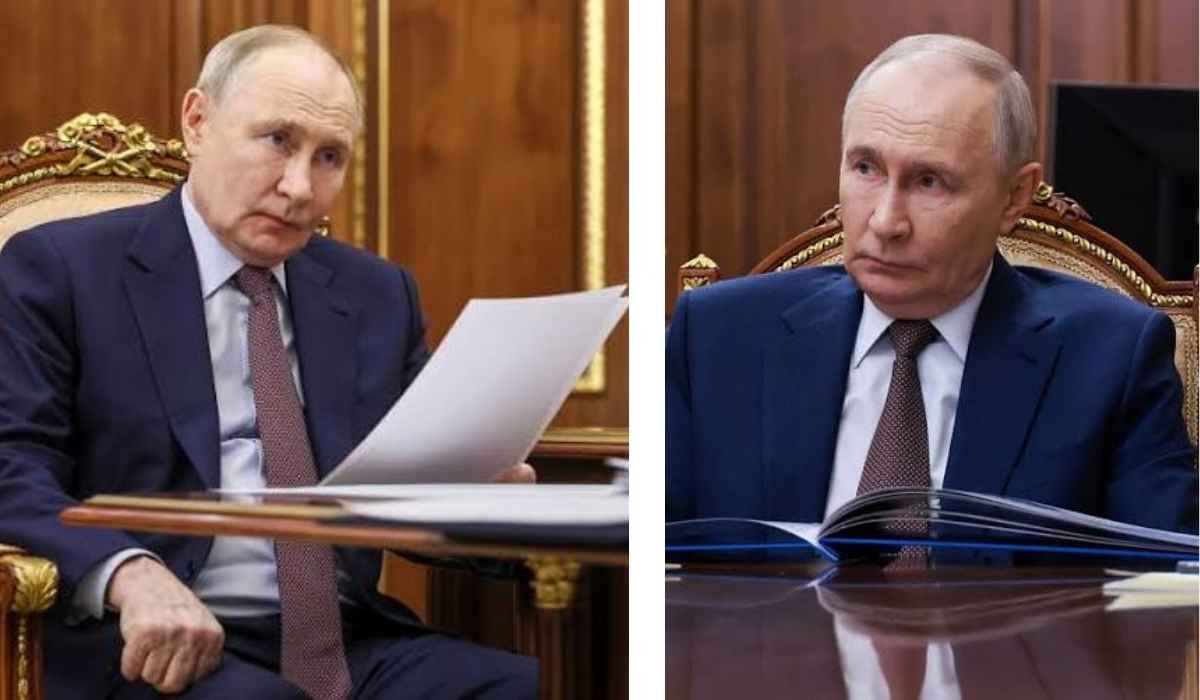
Vladimir Putin remains one of the most prominent and influential figures in modern history, shaping international relations and domestic policy for decades. Born in Leningrad in October 1952, his early life was shaped by the post-war recovery of the Soviet Union. He pursued a legal education at Leningrad State University before embarking on a career in intelligence. Over the years, his trajectory shifted dramatically from a regional administrator to the highest office in the Russian Federation. Analysts frequently study Vladimir to understand contemporary geopolitical shifts, economic restructuring, and the complex dynamics of power balancing between Eastern and Western nations across multiple decades.
Quick Bio
| Attribute | Detail |
|---|---|
| Full Name | Vladimir Vladimirovich Putin |
| Born | October 7, 1952 (Leningrad, USSR) |
| Profession | Politician, Former Intelligence Officer |
| Political Party | United Russia |
| Key Offices | President of Russia, Prime Minister of Russia |
Early Life And Childhood Backgrounds
Vladimir Putin grew up in a modest communal apartment in Leningrad sharing space with other families. His parents instilled strict discipline while working hard in local factories and naval units to rebuild their lives. As a young boy, he developed an intense interest in martial arts, particularly sambo and judo, which helped him build resilience. Education played a crucial role during his formative teenage years, guiding him toward academic achievements that eventually paved the way for higher education prospects. The trials of post-war Leningrad deeply influenced Vladimir and molded his steadfast personality characteristics.
Education At Leningrad State University
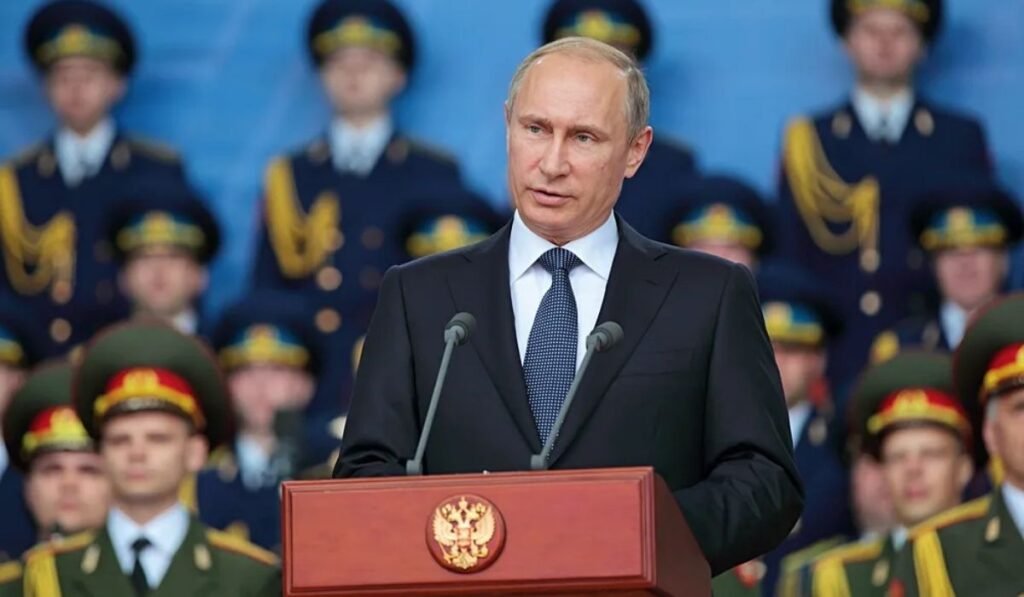
Entering Leningrad State University in 1970 marked a major turning point for the ambitious young student. He enrolled in the law department where he focused on international law and built critical legal networks. Under the mentorship of influential professors, Vladimir Putin expanded his worldview beyond local boundaries and immersed himself in academic literature. His thesis on international trade principles demonstrated a sharp analytical mind and dedication to rigorous legal structures. Graduating in 1975, Vladimir immediately caught the attention of state agencies looking for sharp legal minds with strong ideological discipline.
Joining The Committee For State Security
Following university graduation, Vladimir Putin joined the Soviet security apparatus as an intelligence officer. His training involved intense language courses, tactical preparation, and psychological evaluations designed to test absolute loyalty. Working within the organization required complete discretion and adherence to strict protocols governing foreign intelligence operations. Vladimir adapted quickly to the clandestine environment, learning how to analyze foreign threats and manage sensitive communications securely. This period inside the security agency laid deep operational foundations that would heavily influence Vladimir during his later executive governance years.
Stationed In Dresden East Germany
During the mid-nineteen eighties, Vladimir Putin received a foreign posting to Dresden in East Germany. His assignment involved gathering intelligence, managing contacts, and monitoring political shifts during a turbulent era for the Eastern Bloc. Living abroad exposed Vladimir to changing European dynamics and the gradual weakening of communist structures from within. Colleagues remembered him as meticulous, quiet, and fiercely dedicated to executing his daily administrative duties without drawing unwanted attention. The eventual collapse of the Berlin Wall and subsequent retreat back to the Soviet Union presented profound personal challenges for Vladimir.
Return To Academic Administration
Upon returning to his native city, Vladimir Putin transitioned away from active intelligence work to take up an administrative post at his alma mater. Working under the rector of Leningrad State University, he managed external relations and coordinated international academic partnerships. This administrative role allowed Vladimir to re-establish vital roots in civilian life while navigating the rapidly transforming political landscape of perestroika. University officials valued his competence, sharp organizational skills, and ability to handle bureaucratic hurdles smoothly. This stepping stone successfully bridged Vladimir from his intelligence background into municipal civic leadership.
Entering Municipal Politics In Saint Petersburg
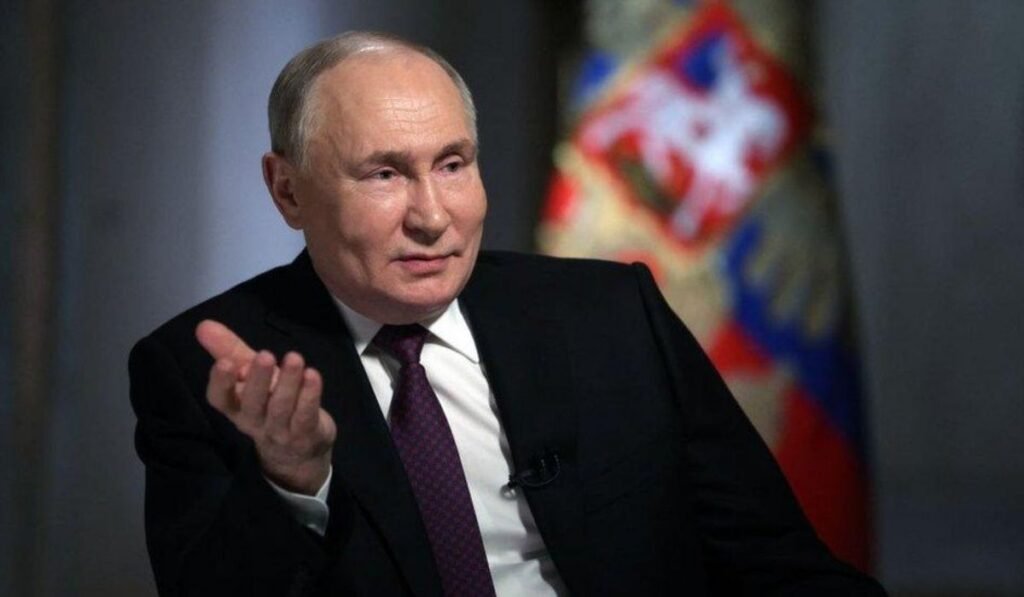
The political career of Vladimir Putin truly accelerated when he began working closely with reformist mayor Anatoly Sobchak. Serving as an advisor and later heading the city’s international relations committee, Vladimir managed foreign investments and trade agreements. Local leaders praised his pragmatic approach to cutting through red tape and attracting vital Western capital during an economic crisis. Despite facing complex municipal challenges, Vladimir maintained a reputation as an efficient troubleshooter who delivered results. These formative municipal years allowed Vladimir to master the art of bureaucratic management and political networking.
Transition To Moscow And Federal Administration
In eighteen ninety-six, a major relocation brought Vladimir Putin to Moscow to join the presidential property management directorate. His rapid ascent through various Kremlin departments caught the eye of senior federal officials looking for dependable administrators. Vladimir demonstrated exceptional capability in supervising regional fiscal matters and streamlining federal oversight mechanisms. Colleagues noted his relentless work ethic and capacity for processing extensive policy documents under tight deadlines. This successful transition into federal circles positioned Vladimir directly on the radar of President Boris Yeltsin as a trustworthy successor.
Directorship Of The Federal Security Service
Leadership of the domestic security successor agency was handed to Vladimir Putin in the late nineteen nineties. In this powerful position, he restructured internal divisions, targeted corruption, and reasserted central control over unruly security branches. Vladimir utilized his deep institutional knowledge to stabilize the agency and restore internal morale during a period of national vulnerability. His decisive actions and public displays of competence earned him immense respect among hardliners and ordinary citizens alike. Directing this vital apparatus transformed Vladimir from an obscure bureaucrat into a formidable national security heavyweight.
Rise To The Office Of Prime Minister
President Boris Yeltsin appointed Vladimir Putin as Prime Minister of the Russian Federation in August nineteen ninety-nine. Facing severe economic instability and escalating regional conflicts, Vladimir Putin adopted a tough, uncompromising stance on national security. His swift response to security threats in the Caucasus region dramatically boosted his domestic approval ratings almost overnight. Citizens weary of chaos found solace in the decisive leadership style projected by Vladimir Putin across national television networks. This sudden surge in popularity made Vladimir the natural choice to inherit executive leadership from an ailing president.
Ascension To Acting Presidency In Nineteen Ninety-Nine
On the final day of nineteen ninety-nine, Boris Yeltsin announced his unexpected resignation and named Vladimir Putin acting president. In his inaugural address, the newly empowered leader promised to protect democratic institutions while restoring the lost dignity of the Russian state. Vladimir Putin moved quickly to consolidate executive authority, bringing regional governors under stricter federal control and reducing regional autonomy. Observers noted the distinct shift toward a centralized power vertical orchestrated entirely by Vladimir Putin to eliminate domestic fragmentation. This historic transition established Vladimir Putin as the absolute center of gravity in Russian politics.
Securing The First Full Presidential Term
March two thousand marked the official election of Vladimir Putin to his first full term as head of state. He campaigned on a platform of economic growth, law enforcement reform, and the elimination of powerful oligarchic influence over government policy. Vladimir Putin systematically dismantled media networks controlled by independent billionaires who opposed his emerging political vision. Under his watch, the state gradually reasserted control over strategic energy sectors and major industrial manufacturing hubs. Citizens experienced relative economic stability as global commodity prices soared, solidifying the early domestic success of Vladimir Putin.
Economic Reforms And Industrial Centralization
The economic landscape of the nation underwent massive transformation during the early governance years of Vladimir Putin. High international oil and gas prices generated massive revenue streams that replenished state coffers and cleared foreign debts. Vladimir Putin utilized this financial windfall to modernize infrastructure, boost public sector wages, and rebuild state-backed conglomerates. Private enterprises faced tighter regulatory oversight, and tycoons were warned to stay out of national political affairs. Through these aggressive economic measures, Vladimir Putin successfully transformed Russia into a major energy superpower with substantial global leverage.
Foreign Policy And International Relations Strategies
Global diplomacy under Vladimir Putin has consistently focused on restoring traditional great-power status and opposing perceived Western encroachment. He frequently criticized North Atlantic Treaty Organization expansion eastward, viewing it as a direct threat to national security boundaries. Vladimir Putin cultivated strategic partnerships with Asian economies, Middle Eastern governments, and Latin American states to diversify diplomatic ties. His speeches at major international security conferences often challenged Western hegemony and demanded a multipolar global order. Through calculated diplomatic maneuvers and military readiness, Vladimir Putin consistently project power far beyond national borders.
The Tandem Era And Prime Ministerial Return
Constitutional term limits prevented Vladimir Putin from seeking a third consecutive presidential term in two thousand eight. Instead, he engineered the election of Dmitry Medvedev while transitioning himself into the role of Prime Minister. Despite holding a nominally secondary office, Vladimir Putin retained immense actual power and continued steering major national policy decisions. This strategic tandem arrangement ensured policy continuity until Vladimir Putin returned directly to the presidency in two thousand twelve. Political analysts studied this unique power-sharing model as a masterclass in constitutional maneuvering by Vladimir Putin.
Domestic Public Image And Cultural Influence
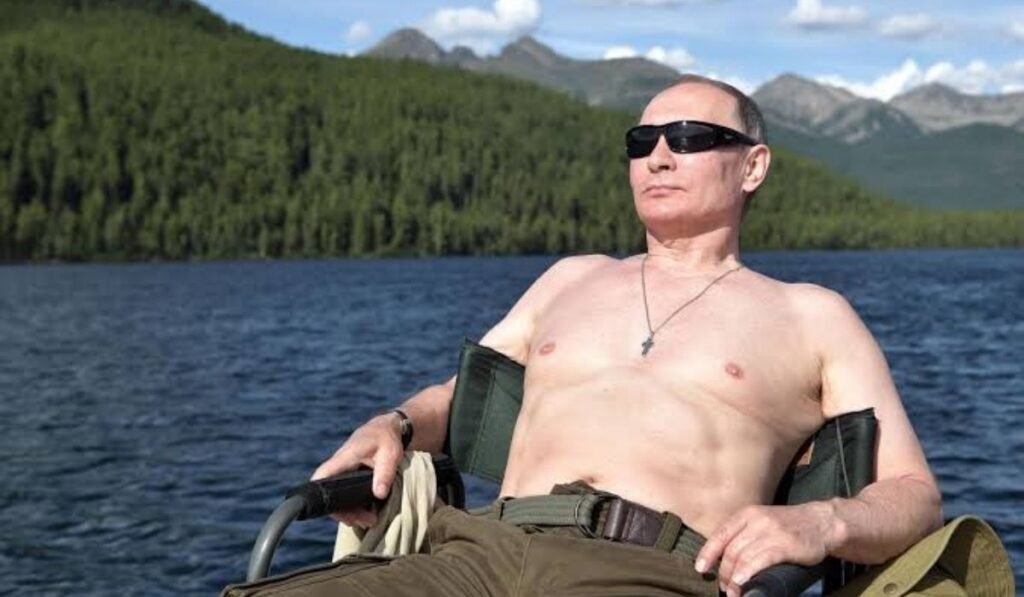
Cultivating a rugged, action-oriented public persona has been a hallmark of the political strategy deployed by Vladimir Putin. State media frequently broadcasted footage of Vladimir Putin engaging in martial arts, flying fighter jets, swimming in cold rivers, and handling wildlife. This macho public image resonated strongly with conservative domestic demographics seeking a strong leader. Concurrently, traditional values, religious institutions, and patriotic education were heavily promoted under the direct patronage of Vladimir Putin. This cultural framework helped Vladimir Putin maintain high domestic approval ratings despite persistent economic and political criticisms.
Major Sporting Events And National Prestige
Hosting prestigious international sports competitions became a vital instrument of soft power for Vladimir Putin. He successfully lobbied for and oversaw the delivery of the twenty fourteen Winter Olympic Games held in Sochi. Billions of dollars were poured into modernizing local infrastructure, constructing world-class arenas, and showcasing national organizational capacity. Later, hosting the international football championship further demonstrated the capability of the state under Vladimir Putin to manage massive global spectacles. These events served to enhance national pride and project an image of modern efficiency championed by Vladimir Putin.
The Escalation Of Regional Conflicts And Geopolitical Shifts
Recent years have witnessed a dramatic escalation in tensions between Russia and neighboring states under the direction of Vladimir Putin. Military interventions in regional borderlands drew severe international condemnation, sweeping economic sanctions, and widespread diplomatic isolation from Western capitals. Vladimir Putin defended these military actions as necessary defensive measures to protect historical security interests and Russian-speaking populations. The resulting geopolitical fallout fundamentally reshaped European security architecture and global supply chains. Historians continue to debate the long-term consequences of the aggressive foreign policies enacted by Vladimir Putin.
Legacy And Historical Assessments Of Leadership
Evaluating the multi-decade legacy of Vladimir Putin reveals a complex mixture of authoritarian consolidation and state stabilization. Supporters credit Vladimir Putin with rescuing the country from post-Soviet collapse, restoring order, and re-establishing global respect. Critics, conversely, point to suppressed political opposition, silenced independent journalism, and systemic corruption as major failures of his administration. Few contemporary figures have left as deep or polarizing a mark on international affairs as Vladimir Putin. Ultimately, the historical verdict on Vladimir Putin will depend heavily on the final outcome of ongoing geopolitical confrontations.
Frequently Asked Questions
- When was Vladimir Putin born?
- Vladimir Putin was born on October 7, 1952.
- What is the educational background of Vladimir Putin?
- He studied law at Leningrad State University and graduated in 1975.
- Did Vladimir Putin work for the intelligence services?
- Yes, he served as a foreign intelligence officer for the KGB for 16 years.
- When did Vladimir Putin first become president?
- He assumed office as acting president on December 31, 1999, and won his first full term in March 2000.
- Where can I read more details about his political career?
- You can explore the comprehensive history.