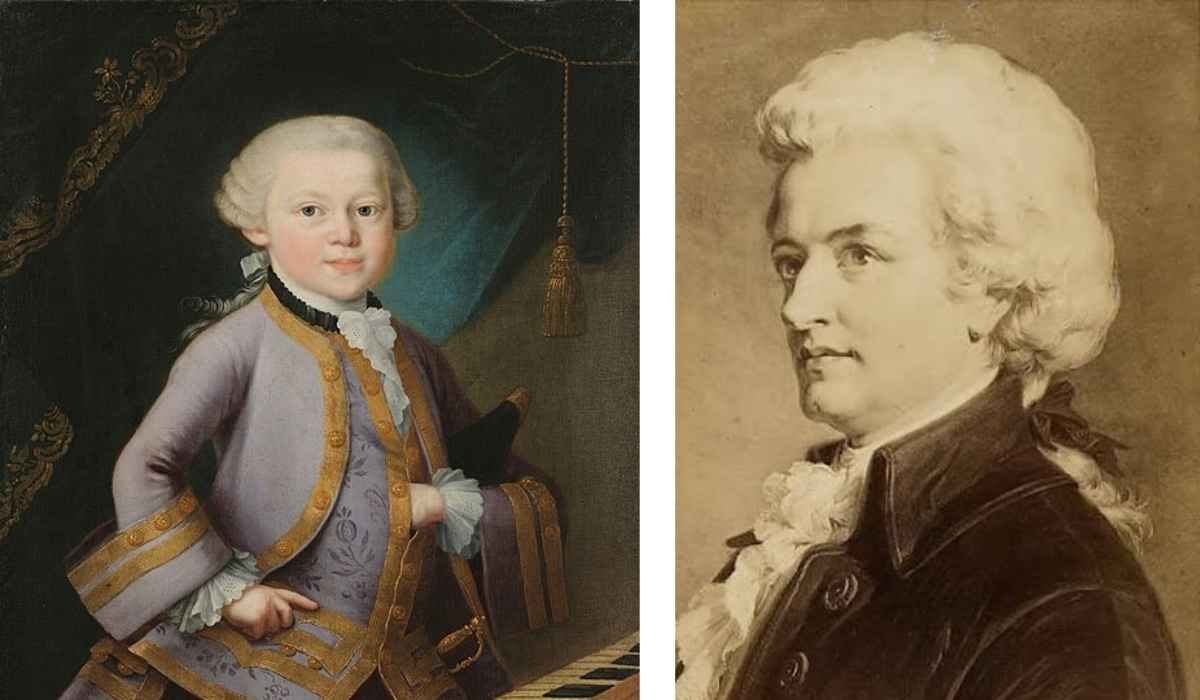
Wolfgang Amadeus Mozart remains one of the most prolific and influential figures in the history of Western classical music, captivating global audiences for centuries. Born in Salzburg, Austria, in 1756, he displayed astonishing musical gifts from a very tender age. Under the strict guidance of his father Leopold, the young prodigy embarked on extensive European tours, astounding royal courts with his mastery of the keyboard and violin. During his remarkably short life, Amadeus Mozart composed over six hundred extraordinary works spanning symphonies, chamber music, operas, and sacred choral pieces that continue to define the pinnacle of artistic expression, emotional depth, and technical brilliance across generations worldwide today.
Quick Bio
| Attribute | Detail |
| Full Name | Johannes Chrysostomus Wolfgangus Theophilus Mozart |
| Birth Date | January 27, 1756 |
| Birth Place | Salzburg, Austria |
| Death Date | December 5, 1791 |
| Death Place | Vienna, Austria |
| Key Genres | Opera, Symphony, Concerto, Chamber Music |
Early Childhood and Prodigious Beginnings
Wolfgang showed rare musical intuition before most children could read, prompting his supportive father to meticulously document every single milestone achieved. Amadeus Mozart quickly mastered complex compositions by age five, turning household instruments into his personal playground of endless creative exploration. The young boy spent countless hours experimenting with harmonies, astonishing visiting family friends and local musicians who witnessed his unprecedented innate aptitude for sound.
Leopold recognized that ordinary instruction would never suffice for such an extraordinary mind, tailoring a rigorous educational curriculum that blended rigorous theory with practical performance. This intense early foundation nurtured a lifelong discipline, allowing the burgeoning genius to internalize complex musical structures long before entering his adolescent years. Every waking moment became an opportunity for artistic growth, cementing his status as history’s ultimate child prodigy.
The Grand European Tours
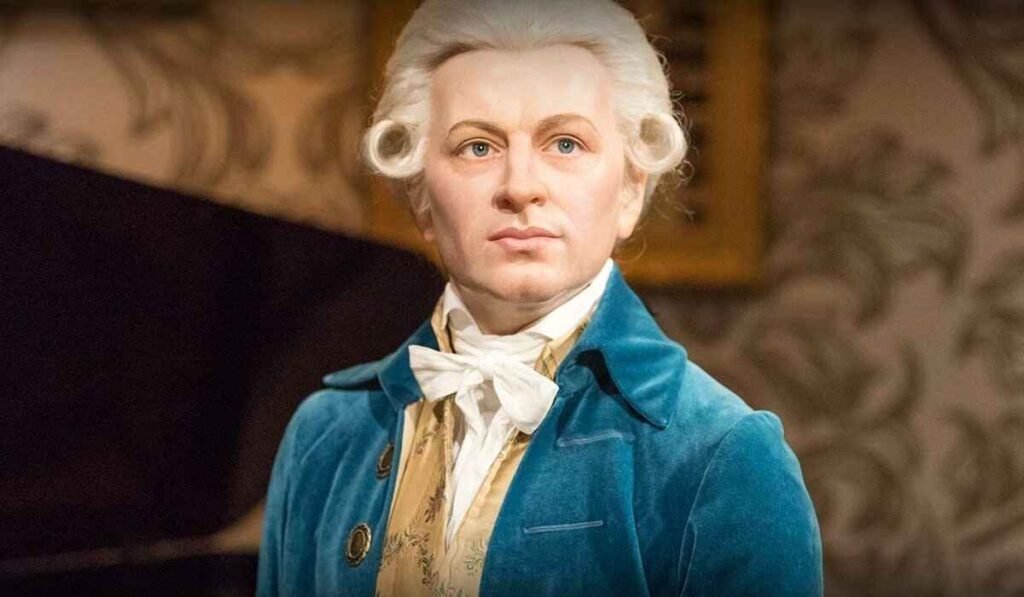
Leopold organized massive continental journeys transporting his children across major cultural capitals to perform before elite European aristocrats and monarchs. Amadeus Mozart absorbed diverse regional styles effortlessly, transforming these intense travel experiences into foundational building blocks for his future compositional style. Traveling by carriage across bumpy roads tested their physical endurance, yet the young virtuoso thrived on the vibrant energy of foreign performance halls.
Audiences in Paris, London, and Munich sat spellbound as the diminutive maestro delivered flawless interpretations of difficult keyboard sonatas and improvised dazzling variations on popular themes. These foundational travels exposed him to French theatricality, Italian melodic grace, and German contrapuntal rigor, blending these disparate geographic influences into a truly universal musical vocabulary that defied national boundaries.
Royal Performances and Early Acclaim
Young Wolfgang performed intricate pieces flawlessly for emperors and kings, earning widespread astonishment and establishing an early reputation as a genuine musical wonder. Amadeus Mozart handled complex court expectations with surprising maturity, charming high-society patrons who marveled at his natural improvisational flair and immaculate technical precision. Royal courts showered the family with expensive gifts, honorary titles, and glittering gold medals, though actual monetary compensation often proved frustratingly scarce. Despite the exhausting schedule of public showcases and private chamber recitals, the young composer maintained an infectious enthusiasm for performing. These prestigious engagements not only elevated the family name across European social registers but also provided crucial networking opportunities with influential patrons who would support his later professional endeavors.
The Salzburg Court Years
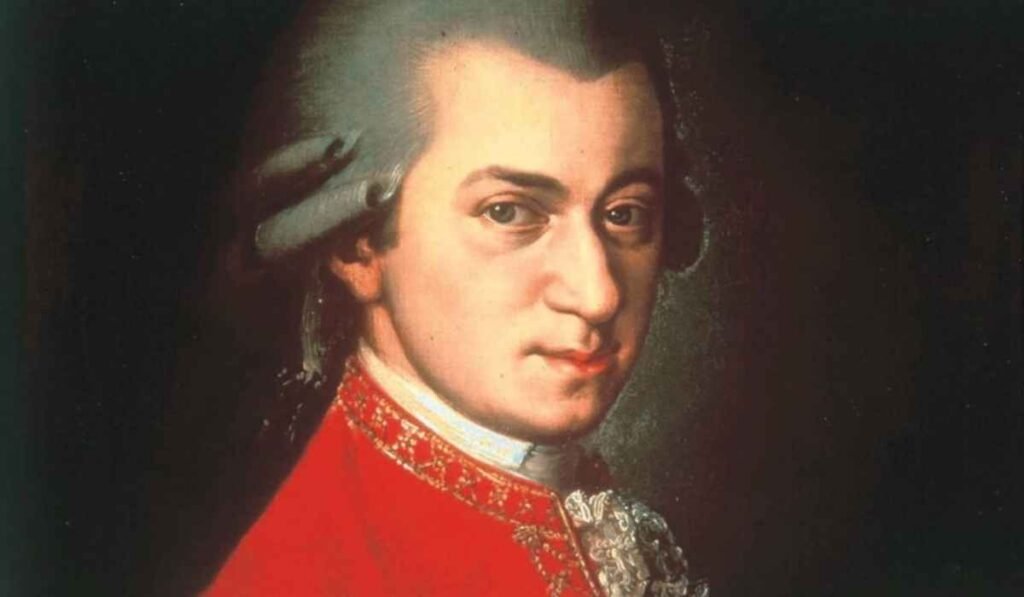
Returning to his hometown, Wolfgang assumed official duties within the Archbishop’s court while continuing to expand his growing catalogue of instrumental and vocal pieces. Amadeus Mozart soon grew restless under oppressive local restrictions, longing for greater artistic freedom and wider professional opportunities beyond provincial boundaries. Hierarchical constraints imposed by the conservative Archbishop Hieronymus Colloredo increasingly stifled the ambitious composer’s creative impulses and desire for public acclaim. Daily duties required composing routine church music and court entertainments, leaving precious little time for large-scale theatrical projects or experimental orchestral works. The growing friction between the fiercely independent artist and his authoritarian employer eventually reached a boiling point, setting the stage for a dramatic and permanent break with provincial life.
Travels Through Italy
Intensive journeys across Italian musical centers exposed the teenage composer to vibrant operatic traditions and prestigious academic institutions that warmly welcomed his talents. Amadeus Mozart secured important theatrical commissions during these formative travels, successfully staging complex dramatic works that cemented his budding reputation throughout southern Europe. Italian opera houses buzzed with fierce competition, demanding rapid output and catchy vocal writing that tested the young maestro’s adaptability. In Bologna, he underwent rigorous counterpoint examinations administered by the prestigious Accademia Filarmonica, passing with flying colors and earning induction as an honorary master composer. These Mediterranean excursions deeply enriched his understanding of human vocal capabilities, laying the melodic groundwork for his future operatic masterpieces.
Shift Toward Independent Freelancing
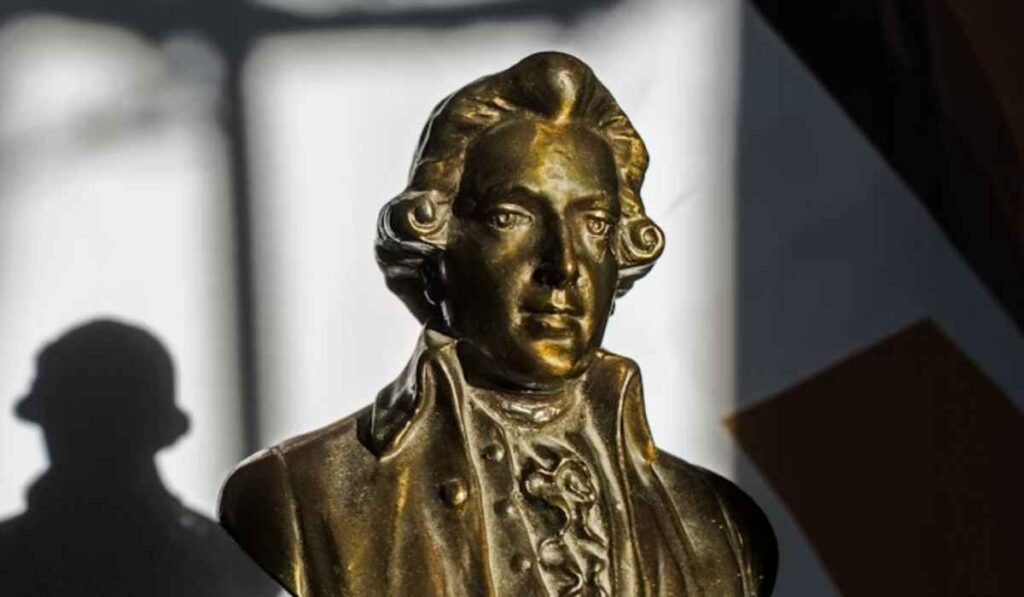
Frustrated by localized patronage systems, Wolfgang eventually broke away from his Salzburg employer to seek a more autonomous professional life in bustling Vienna. Amadeus Mozart embraced the challenges of freelance composition, teaching, and public concert promotion within a competitive metropolitan arts market that demanded constant innovation. Leaving the security of a permanent salaried post terrified his conservative father, but the young visionary preferred the uncertain rewards of complete artistic independence. Vienna offered an electric cultural atmosphere filled with wealthy music lovers, subscription academies, and public theaters hungry for fresh entertainment. Navigating this capitalist artistic ecosystem required tireless self-promotion, organizing seasonal subscription concerts, and courting wealthy aristocratic patrons who funded private salon performances.
Marriage to Constanze Weber
Settling into Viennese society, Wolfgang married Constanze Weber, initiating a deeply passionate yet financially turbulent domestic partnership that influenced his daily life. Amadeus Mozart balanced family responsibilities with intense creative output, often relying on loans and hurried scoring sessions to maintain their household amidst mounting financial pressures. Their home bustled with constant activity, visiting musicians, pets, and children, reflecting the warmth and chaos of their shared existence. Constanze proved to be a resilient partner, supporting her husband through severe health scares, social slumps, and chronic economic instability while managing their erratic finances. Despite frequent money worries, their letters reveal a deep affection and mutual reliance that sustained the composer through his most grueling professional undertakings.
The Masterpiece Operas
The mature Viennese period witnessed the creation of monumental theatrical masterpieces like The Marriage of Figaro and Don Giovanni that revolutionized dramatic pacing. Amadeus Mozart infused rich psychological depth into his characters, elevating comic and tragic opera librettos into profound explorations of human nature. Collaborating closely with brilliant librettist Lorenzo Da Ponte, he transformed standard operatic plots into intricate webs of desire, social commentary, and moral ambiguity. Orchestral scoring was used not merely to accompany singers, but to comment directly on subtext, emotional turmoil, and unspoken character motivations. These theatrical innovations permanently altered the trajectory of lyric theater, establishing a high watermark for dramatic integration that subsequent generations of opera composers continually studied and emulated.
Symphonic Excellence and Innovation
His final symphonic trilogy, culminating in the magnificent Jupiter symphony, redefined orchestral architecture through complex polyphonic textures and structural grandeur. Amadeus Mozart pushed traditional forms to their absolute limits, combining emotional intensity with mathematical clarity in ways that deeply influenced future symphonists. Composed in rapid succession during the summer of 1788, these three final symphonies represented the pinnacle of classical orchestral mastery without even a guaranteed performance prospect in sight. The integration of fugal elements into standard sonata-allegro forms demonstrated his peerless command of counterpoint, elevating instrumental music to profound philosophical discourse. Each movement crackles with rhythmic vitality, ingenious instrumental combinations, and structural balance that remains breathtakingly modern.
Chamber Music and Intimate Works
Beyond grand orchestra halls, Wolfgang dedicated immense energy to crafting sublime string quartets, quintets, and piano sonatas designed for sophisticated salon gatherings. Amadeus Mozart treated intimate ensembles with supreme care, weaving conversational dialogues between instruments that highlighted supreme collaborative musicianship and intricate thematic development. His dedicated set of string quartets addressed to his friend and mentor Joseph Haydn represented a profound labor of love and intellectual respect. Every instrument operated as an equal voice in a living, breathing dialogue, moving far beyond simple accompaniment models prevalent in earlier galant styles. These chamber masterpieces required immense technical skill from performers while offering listeners an experience of pure, unadulterated intellectual and emotional intimacy.
Sacred Music and The Requiem
Toward his final days, sacred compositions like the powerful Ave Verum Corpus and the hauntingly tragic Requiem reflected deep spiritual contemplation and sorrow. Amadeus Mozart poured his remaining vitality into these religious masterpieces, leaving an unfinished choral legacy that profoundly stirs listeners with its raw grief and transcendent beauty. Commissioned under mysterious circumstances by an anonymous patron seeking to pass the work off as his own,
the Requiem became an eerie psychological mirror for the dying composer. Every measure radiated a haunting urgency, as though he recognized his own mortality lurking in the shadows of the scoring desk. Following his passing, close student Franz Xaver Süssmayr completed the manuscript based on surviving sketches, ensuring the monumental sacred work could finally be performed.
Relationship with Fellow Composers
Wolfgang maintained a respectful professional admiration for contemporary masters like Joseph Haydn, whose innovative quartet writing directly inspired his own creative evolution. Amadeus Mozart freely exchanged artistic ideas with peers, recognizing genius wherever he found it and continuously refining his craft through rigorous intellectual study. Encounters with younger artists, including a brief meeting with a teenage Ludwig van Beethoven, showcased his generosity of spirit and discerning eye for raw talent. While contemporary gossip sometimes hinted at professional rivalries, genuine mutual respect characterized his interactions with the upper echelon of European musicians. Studying older baroque masters like Johann Sebastian Bach and George Frideric Handel during his later Viennese years fundamentally transformed his approach to counterpoint and large-scale architectural design.
Teaching and Mentorship
Despite a demanding schedule, Wolfgang mentored promising young musicians and gave private lessons to dedicated students who sought to master his unique compositional techniques. Amadeus Mozart approached pedagogy with structured clarity, passing down invaluable insights regarding keyboard execution, counterpoint, and expressive phrasing to the next generation. Teaching provided a reliable, albeit modest, source of supplementary income during lean months when public concert revenues fluctuated wildly. Students recalled his demanding standards balanced by an encouraging, enthusiastic teaching style that focused on cultivating individual artistic voice rather than rote memorization. His pedagogical notes and exercises offered a fascinating glimpse into the analytical mind of a master striving to demystify the mechanics of artistic creation for eager learners.
Financial Struggles and Lifestyle
Lavish spending habits, fluctuating income streams, and inadequate royal pensions frequently plunged the composer into severe debt despite his widespread public acclaim. Amadeus Mozart continually borrowed money from friends and Masonic brothers, navigating a precarious economic existence while producing some of history’s most celebrated art. Living beyond their means to maintain a fashionable social standing in Vienna meant constant juggling of creditors, pawnshop visits, and urgent pleas for financial assistance. Despite earning substantial sums during peak performance seasons, poor long-term financial planning left the family vulnerable whenever health crises or market downturns struck. These persistent money troubles cast a heavy shadow over his final years, though they paradoxically spurred an unrelenting creative output born of economic desperation.
Connection to Freemasonry
Joining a local Viennese Masonic lodge in 1784 connected Wolfgang to a progressive intellectual brotherhood that valued humanitarian philosophy and rational enlightenment. Amadeus Mozart deeply integrated these fraternal ideals into his later works, most notably within the symbolic imagery and philosophical themes of his final opera. Masonic rituals, musical codes, and fraternal values of brotherhood, wisdom, and charity resonated deeply with his personal worldview. Lodge brothers frequently provided crucial financial lifelines and emotional support during periods of professional isolation and mounting personal distress. The fraternity’s influence culminated in works like The Magic Flute, which married populist theatrical entertainment with profound esoteric allegory and humanist moral teachings.
Health Decline in Final Years
Physical exhaustion and persistent illness began taking a heavy toll on the composer’s vitality during the grueling final months of his creative life. Amadeus Mozart continued writing relentlessly against the clock, driven by an urgent inner compulsion to complete his last remaining musical visions before time ran out. Years of relentless touring, grueling work schedules, and recurring childhood illnesses left his constitution severely compromised by his mid-thirties. Swelling, fever, and extreme fatigue increasingly interrupted his daily composing routine, fueling dark premonitions about his impending demise. Yet, even as physical strength waned, his mental clarity and creative inspiration burned brighter than ever, producing some of the most sublime music known to human civilization.
The Mysterious Death
Wolfgang passed away on December 5, 1791, at the young age of thirty-five, leaving behind a mourning family and a stunned international artistic community. Amadeus Mozart departed under ambiguous medical circumstances, sparking centuries of biographical fascination, romanticized myths, and ongoing historical research into his final hours. Rapid burial traditions of late eighteenth-century Vienna meant his remains were placed in a communal grave, leading to romanticized legends about forgotten pauper burials. Modern medical historians have proposed numerous hypotheses ranging from streptococcal infection to trichinosis, yet no single diagnosis has definitively explained his rapid and fatal decline. The suddenness of his passing shocked contemporary Europe, cutting short a career that had barely scratched the surface of its ultimate potential.
Immediate Posthumous Legacy
Following his tragic passing, Constanze worked tirelessly to preserve, publish, and promote her late husband’s vast manuscript collection across major European cultural centers. Amadeus Mozart quickly achieved mythic status as grieving publics realized the irreplaceable magnitude of the artistic treasure he had left behind. Memorial concerts held across major German and Austrian cities drew massive crowds, sparking the first wave of organized musicological interest in cataloging his works. Publishers scrambled to acquire authentic scores, initiating comprehensive editions that laid the groundwork for modern classical music publishing. Constanze’s entrepreneurial efforts ensured her family’s financial security while cementing her late husband’s undisputed status as an immortal titan of art.
Influence on Subsequent Generations
Romantic titans like Beethoven and Brahms viewed his pristine classical architecture as an unyielding standard of perfection toward which all serious musicians should strive. Amadeus Mozart fundamentally shaped the trajectory of Western art music, ensuring his aesthetic principles remained a vital cornerstone for academic training and performance traditions. Nineteenth-century composers revered his transparent textures, emotional balance, and structural economy as the ultimate manifestation of classical restraint and grace. Piano students for over two centuries have begun their formal technical training with his sonatas, absorbing his innate sense of proportion and phrasing. His music became a universal yardstick by which all subsequent Western art composition was measured, analyzed, and evaluated.
Enduring Global Cultural Impact
Centuries after his quiet burial in Vienna, his melodies remain ubiquitous in modern culture, inspiring film scores, educational studies, and universal emotional resonance. Amadeus Mozart continues to unite humanity through the sheer perfection of sound, proving that true genius transcends historical epochs and speaks eternally to the soul. From digital ringtones and cinematic soundtracks to specialized scientific studies exploring cognitive enhancement, his presence permeates contemporary daily life. Concert halls worldwide continue dedicating major programming blocks to his symphonies and operas, ensuring packed houses generation after generation. The sheer accessibility combined with infinite structural depth guarantees that his timeless creations will echo across concert stages as long as humanity values art.
Frequently Asked Questions
- When was Wolfgang Amadeus Mozart born?
- Wolfgang Amadeus Mozart was born on January 27, 1756.
- Where was Mozart born?
- He was born in Salzburg, Austria.
- How many works did Mozart compose?
- He composed over 600 works across multiple genres.
- What are some of Mozart’s most famous operas?
- Notable operas include The Marriage of Figaro and The Magic Flute.
- When did Mozart pass away?
- He passed away on December 5, 1791.