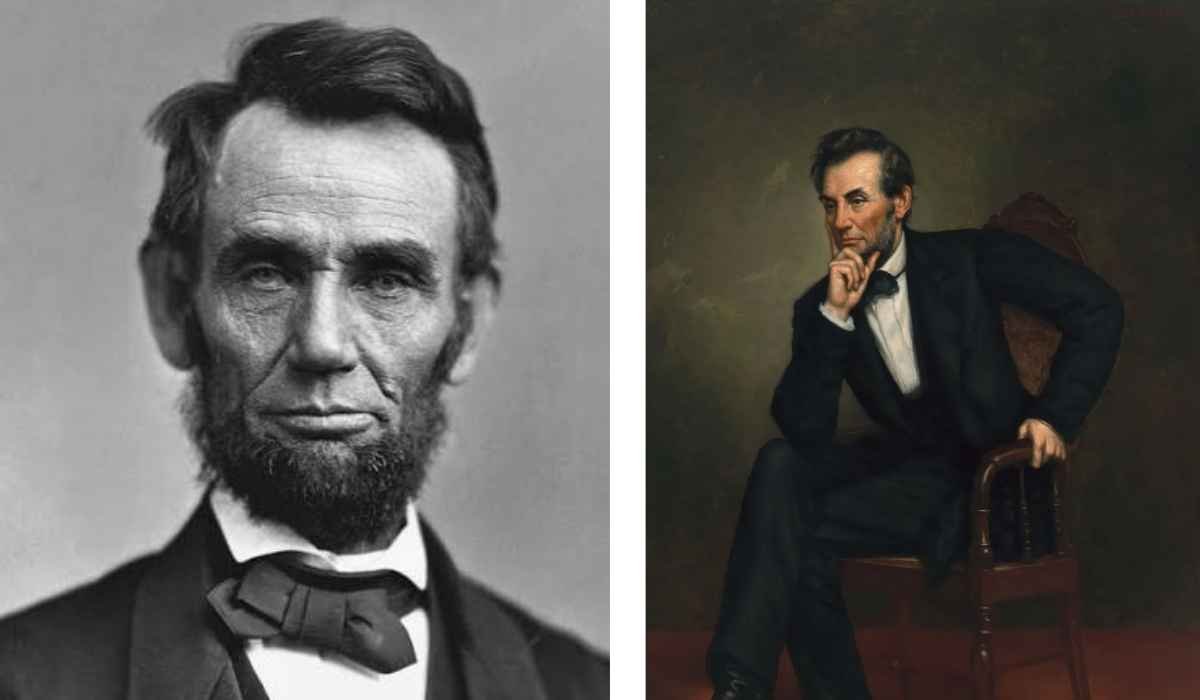
The history of the United States contains many notable figures, yet few command as much enduring respect and fascination worldwide as Abraham Lincoln. Born in a humble log cabin on the American frontier, his journey to the highest office remains an iconic symbol of perseverance. Throughout his formative years, educational resources were scarce, forcing him to rely on self-education through intensive reading. This relentless pursuit of knowledge eventually paved the way for a remarkable career in law and regional politics. As the nation drifted toward deep ideological division over the institution of human bondage, his voice rose steadily to prominence. Today, scholars continue to examine the profound impact of Abraham Lincoln on modern democratic governance and civil rights.
Quick Bio Overview
| Attribute | Detail |
| Full Name | Abraham Lincoln |
| Birth Date | February 12, 1809 |
| Death Date | April 15, 1865 |
| Political Party | Republican |
| Role | 16th US President |
Humble Beginnings on the American Frontier
Early childhood shaped the character of a future leader through daily physical labor and rural isolation in Kentucky and Indiana. Young Abraham Lincoln experienced the harsh realities of pioneer survival, losing his mother at a tender age and shouldering heavy household responsibilities. Despite these early hardships, an insatiable curiosity drove him to borrow books whenever possible, committing passages to memory. Family relocations tested their resilience, but each new environment offered distinct lessons in self-reliance and community cooperation. Neighbors quickly noticed his sharp intellect and fair-mindedness, traits that would define his professional interactions for decades to come. These formative wilderness experiences planted the seeds for a lifelong dedication to personal growth and public service.
Journey into Law and Self-Education
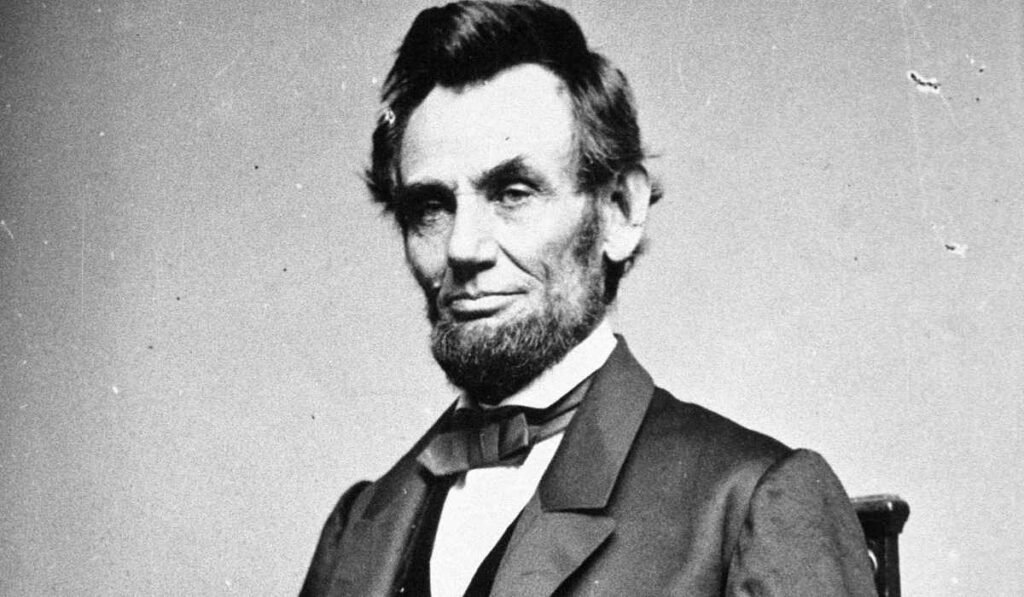
Transitioning from manual labor to intellectual pursuits required immense dedication, especially without formal academic training. Young Abraham Lincoln mastered legal texts independently, eventually earning admission to the bar to practice law in Illinois. His reputation for honesty and eloquence quickly spread across the judicial circuit, attracting clients from all walks of life. Courtroom arguments showcased his ability to dissect complex logical problems and present clear, persuasive narratives to juries. Colleagues respected his meticulous preparation and profound grasp of constitutional principles. This successful legal foundation provided the financial stability and public visibility necessary to enter the competitive arena of state politics.
Early Political Aspirations in Illinois
Entering the legislative sphere marked a major turning point as local citizens elected him to represent their interests in Springfield. State legislator Abraham Lincoln championed infrastructure development, economic modernization, and educational expansion during his multiple terms. He navigated partisan debates with strategic patience, building coalitions across traditional party lines to achieve legislative goals. Public speaking engagements cemented his status as a rising voice within the Whig Party, known for economic progress and strong federal vision. These early governance experiences taught him invaluable lessons about compromise, public psychology, and the mechanics of power. Constituency service remained a top priority, ensuring strong local backing for future federal ambitions.
Marriage and Family Life in Springfield
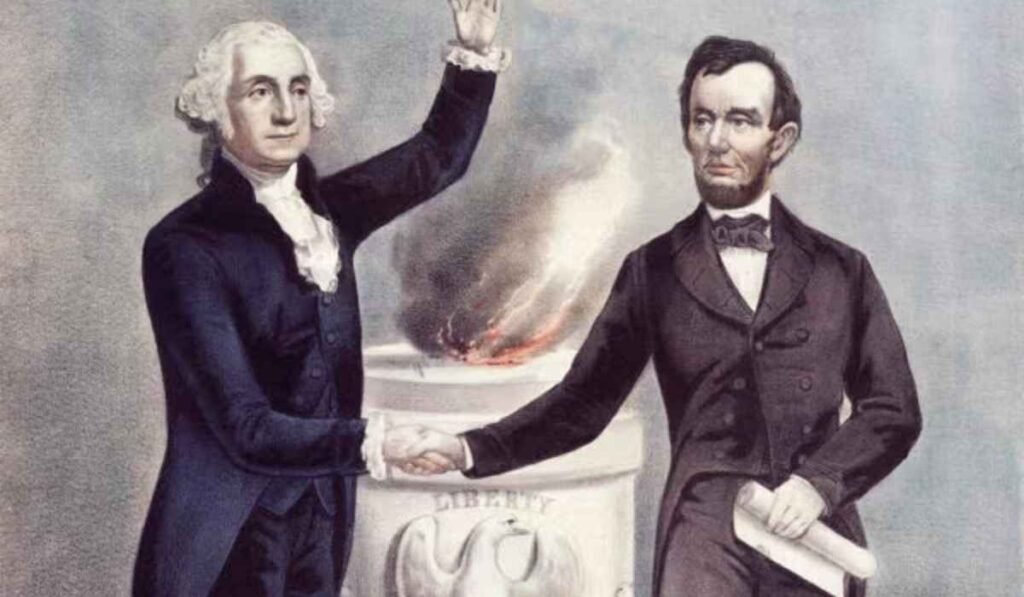
Personal milestones accompanied professional growth when he married Mary Todd in a modest ceremony in late autumn. Family man Abraham Lincoln embraced the joys and sorrows of raising four sons in a bustling household filled with laughter and learning. Tragically, the premature loss of several children cast deep shadows of grief over their domestic life, testing their emotional endurance. Mary provided vital social support and encouraged his grand political aspirations, often editing correspondence and managing household affairs. Friends frequently observed his gentle, playful nature around the children, contrasting sharply with his serious public demeanor. Balancing a demanding legal practice with family responsibilities required strict discipline and constant travel across the judicial district.
The Rise of National Prominence
Stepping onto the national stage required addressing the single most contentious issue dividing the northern and southern territories. Nationally recognized figure Abraham Lincoln engaged in legendary senatorial debates that captivated citizens across the entire country. His articulate opposition to the territorial expansion of slavery highlighted deep moral flaws in the existing legal framework. Although that specific Senate campaign ended in defeat, the exposure propelled him into the upper echelon of the newly formed Republican Party. Editorial boards published his speeches widely, turning local debates into historic milestones of political philosophy. Citizens began looking toward this western pragmatist as a steady hand capable of guiding a fractured republic.
The Historic Presidential Election
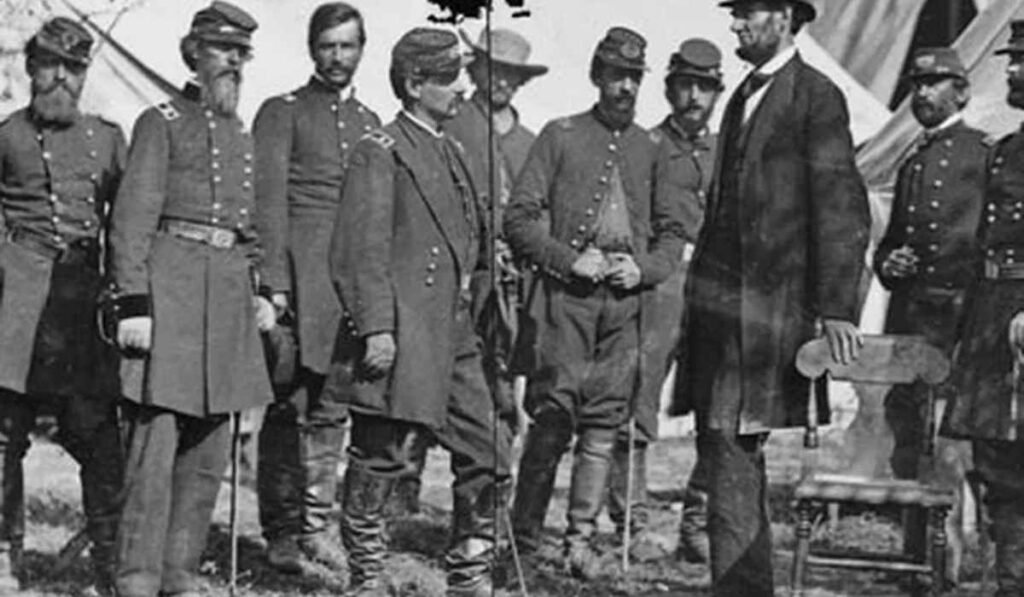
Securing the highest office in the land was a turbulent affair characterized by deep sectional divisions and fierce party rivalries. Presidential candidate Abraham Lincoln constructed a winning electoral coalition centered on free soil, economic development, and national unity. Winning the 1860 election without significant southern support triggered immediate anxiety among slave-holding states. Newspapers buzzed with speculation as political tension reached a boiling point across every major city and rural town. He maintained a calm public silence during the chaotic transition months, planning his cabinet carefully to balance competing ideological factions. His overarching objective remained steadfast: preserving the constitutional union at all costs.
Navigating the Outbreak of Civil War
Assuming the presidency amidst an unfolding rebellion presented administrative and military challenges unprecedented in American history. Commander-in-chief Abraham Lincoln faced the immediate secession of southern states and the bombardment of federal installations like Fort Sumter. Swift mobilization orders demonstrated his resolve to defend national sovereignty against armed insurrection from within. He stretched executive powers to unprecedented limits, suspending certain civil liberties temporarily to secure the capital against enemy sympathizers. Sleepless nights in the telegraph office defined his daily routine as he monitored troop movements and casualty reports. Every strategic decision carried immense weight, demanding absolute focus and unwavering emotional fortitude during dark times.
Leadership Style During National Crisis
Managing a fractured government cabinet required immense diplomatic skill, patience, and a willingness to listen to divergent opinions. Pragmatic strategist Abraham Lincoln treated fierce political rivals as essential partners, appointing them to high-level administrative posts to unify the party. He constantly toured military camps, inspected new weaponry, and consulted directly with field commanders to understand operational realities. Humor served as his primary coping mechanism, using witty parables to diffuse tense cabinet meetings and relieve profound mental stress. Public criticism rarely deflected him from his long-term goals, displaying a rare psychological resilience under intense pressure. Trust in his moral compass guided the federal government through countless military setbacks and political storms.
The Evolution Toward Emancipation
Ending human bondage evolved from a military necessity into a profound moral crusade as the bloody conflict dragged on indefinitely. Visionary reformer Abraham Lincoln carefully calibrated public opinion before issuing the historic proclamation freeing enslaved populations in rebellious regions. This bold decree transformed the war aims from mere territorial preservation into a revolutionary fight for universal human freedom. Enlistment of freedmen into the armed forces provided a vital manpower boost to exhausted federal battalions on various fronts. Critics from both extremes attacked the policy as either too radical or too timid, but he maintained his steady course. This monumental step permanently altered the social landscape of the republic and fulfilled a long-delayed promise.
Gettysburg Address and Rhetorical Genius
Dedication of a national cemetery yielded one of the shortest yet most impactful speeches in the history of human communication. Eloquent orator Abraham Lincoln summarized the entire democratic experiment in a few carefully chosen, unforgettable paragraphs at Gettysburg. He reminded grieving citizens that the fallen soldiers had given the last full measure of devotion to ensure government of the people survived. Newspapers printed the address nationwide, sparking widespread admiration for its profound philosophical depth and emotional resonance. Instead of focusing on bitter recrimination, he urged survivors to dedicate themselves to the unfinished work of liberty. Words spoken on that Pennsylvania hillside continue to inspire freedom-loving people across the globe today.
Wartime Strategy and General Selection
Finding competent military leadership tested the patience of an administration desperate for decisive victories on multiple contested fronts. Tactical coordinator Abraham Lincoln cycled through numerous cautious generals before identifying commanders willing to press the enemy aggressively. His correspondence with military officers reveals a deep intuitive grasp of strategy, logistics, and coordinated theater movements. Placing Ulysses S. Grant in overall command finally brought the unified military force required to break the backbone of the rebellion. He resisted political pressure to dismiss effective officers based on trivial complaints, focusing exclusively on battlefield results. This collaborative civil-military partnership ultimately secured the preservation of the federal government.
Securing Reelection Amidst Conflict
Political survival during an active civil war required maintaining public faith in the democratic process despite widespread battle weariness. Determined incumbent Abraham Lincoln faced fierce opposition from war-weary citizens and political rivals during the turbulent 1864 election cycle. Battlefield successes arriving late in the summer dramatically shifted public sentiment in favor of finishing the fight. Voters recognized the danger of changing executive leadership mid-stream, returning him to office with a solid electoral mandate. His second inaugural address offered a vision of healing and reconciliation, famously calling for malice toward none and charity for all. This political triumph ensured that the policies of emancipation and reconstruction would continue uninterrupted.
The Thirteenth Amendment and Legislative Wins
Securing permanent legal reform required steering a constitutional amendment through a deeply divided federal legislature before hostilities officially ceased. Legislative champion Abraham Lincoln used all available executive leverage to pass the Thirteenth Amendment outlawing involuntary servitude nationwide. Alongside this historic measure, his administration oversaw sweeping economic legislation like the Homestead Act and railroad development grants. These visionary initiatives laid the physical and financial groundwork for rapid post-war industrial expansion across the continent. He understood that a modern nation required robust infrastructure alongside moral clarity to thrive globally. Witnessing the final legislative push brought immense personal satisfaction during his final months in office.
Final Days and the Tragedy at Ford’s Theatre
Approaching the end of a bloody four-year conflict brought profound relief and dreams of a peaceful national reconstruction era. Celebrated statesman Abraham Lincoln attended a theatrical performance at Ford’s Theatre to relax after months of relentless stress. Tragically, an assassin infiltrated the presidential box and fired a fatal shot, cutting short a life dedicated to public service. The nation plunged into immediate, unmitigated grief as funeral trains carried his body across multiple states for mourning. Citizens lined railway tracks by the thousands to pay final respects to the fallen leader who saved the union. This sudden violence cemented his status as an immortal martyr for freedom and democracy.
Global Impact and Historical Reputation
Generations of historians and international observers have consistently ranked his presidency among the finest achievements in political leadership. Revered global icon Abraham Lincoln became a universal symbol of democratic resilience, human rights, and moral courage. Monuments erected in capital cities around the world honor his contributions to the global advancement of liberty. Writers and philosophers analyze his collected speeches to understand how ethical principles can successfully guide practical governance. His ability to grow intellectually under pressure remains a powerful lesson for modern leaders facing complex crises. The ideals he articulated continue to shape contemporary discussions about equality, justice, and civic duty.
Memorials and Cultural Memory
Preserving the memory of the sixteenth president took physical form through grand monuments, educational institutions, and artistic representations worldwide. Dedicated preservationist Abraham Lincoln inspired the construction of the majestic marble memorial in Washington, D.C., attracting millions of annual visitors. Countless towns, schools, and geographic landmarks proudly bear his name as a testament to his enduring cultural influence. Biographies, cinematic adaptations, and academic studies ensure that new generations understand his pivotal role in American history. Public exhibitions display original manuscripts, personal artifacts, and photographs chronicling his remarkable life path. This vibrant cultural memory keeps his philosophical ideals alive in the hearts of modern citizens.
Economic and Infrastructure Vision
Modernizing the American economy formed a core component of his legislative platform long before the outbreak of civil war. Forward-thinking planner Abraham Lincoln championed national banking systems, tariff protections, and transcontinental railroad expansion to link distant markets. These measures transformed an agrarian society into an industrial powerhouse capable of sustained economic prosperity. Land-grant colleges established during his tenure revolutionized higher education by opening practical scientific training to working-class families. He firmly believed that government should actively foster an environment where individual initiative could flourish safely. This comprehensive infrastructure strategy undergarded the superpower status the United States achieved in subsequent decades.
Civil Liberties During Times of Crisis
Balancing national security requirements with constitutional protections presented agonizing moral choices during the height of the domestic rebellion. Constitutional pragmatist Abraham Lincoln authorized executive detentions and military trials to suppress violent subversion within loyal border states. Critics accused him of overstepping legal boundaries, yet he defended these extraordinary actions as necessary to preserve the entire constitution. Legal scholars still debate the fine line between emergency executive power and individual rights based on his wartime precedents. Despite these controversial measures, he never established a military dictatorship and willingly submitted his governance to a democratic election. His handling of civil liberties remains a major case study in constitutional law.
Enduring Legacy of Freedom and Unity
Reflecting on the totality of his achievements reveals a life uniquely matched to the greatest existential crisis in national history. Immortal statesman Abraham Lincoln left behind a re-energized republic firmly dedicated to the proposition that all people deserve freedom. His speeches remain touchstones for anyone seeking to understand the true promise of democratic self-governance. From humble log cabin origins to the marble halls of the national memorial, his trajectory inspires limitless aspiration. The principles of equality and union he fought to defend continue to guide modern societal progress. Humanity remains forever indebted to his steadfast vision, sacrifice, and moral leadership.
FAQs
- When was Abraham Lincoln born?
- Abraham Lincoln was born on February 12, 1809.
- What political party did he belong to?
- He was a member of the Republican Party.
- Which number president was he?
- He served as the 16th president of the United States.
- What major proclamation did he issue?
- He issued the Emancipation Proclamation in 1863.
- How did his life end?
- He was assassinated by John Wilkes Booth at Ford’s Theatre.