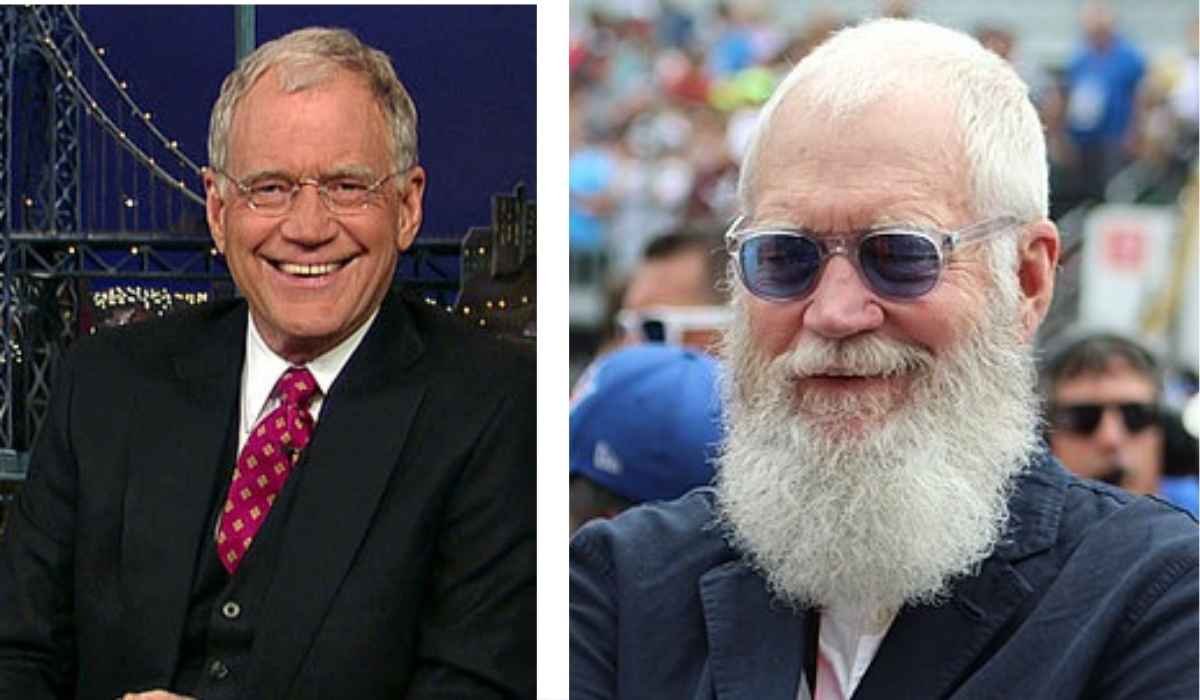
David Letterman remains one of the most influential and enduring figures in the history of American television, having spent over three decades redefining the late-night talk show format. Born in Indianapolis, Indiana, he developed an early appreciation for broadcasting and humor that eventually propelled him from local radio and television weather reporting into the national spotlight. His unique brand of ironic, self-deprecating, and often absurdist comedy provided a sharp alternative to traditional variety entertainment, cultivating a passionate cult following among college students and late-night enthusiasts alike.
Over the course of hosting thousands of episodes across NBC and CBS, David Letterman transformed the way audiences consume late-night media, establishing a blueprint for generations of comedians, writers, and television hosts who followed in his footsteps. His transition from network television to modern streaming platforms demonstrates an ongoing commitment to deep, engaging conversations, ensuring his legacy as a master interviewer and comedic icon continues to resonate deeply in contemporary popular culture.
Quick Bio
| Metric | Detail |
| Full Name | David Michael Letterman |
| Date of Birth | April 12, 1947 |
| Birthplace | Indianapolis, Indiana |
| Alma Mater | Ball State University |
| Years Active | 1970–present |
| Notable Shows | Late Night, Late Show, My Next Guest Needs No Introduction |
Early Life and Childhood in Indiana
Growing up in the midwestern landscape of Indianapolis, David Letterman experienced a fairly typical post-war American childhood that later heavily influenced his observational style of humor. His father worked as a florist while his mother served as a church secretary, instilling a strong sense of community and down-to-earth values that always grounded his public persona. Even during his early school years,
young David displayed a quick wit and an inclination toward finding humor in the mundane aspects of daily life. These formative years spent exploring the midwest provided him with a unique perspective on human behavior, which he would later weaponize for comedic brilliance on national television screens. Reflecting on his roots, David Letterman often credited his midwestern upbringing with giving him the patience and distinct perspective required to survive the unpredictable and high-pressure environment of the entertainment industry.
Education at Ball State University
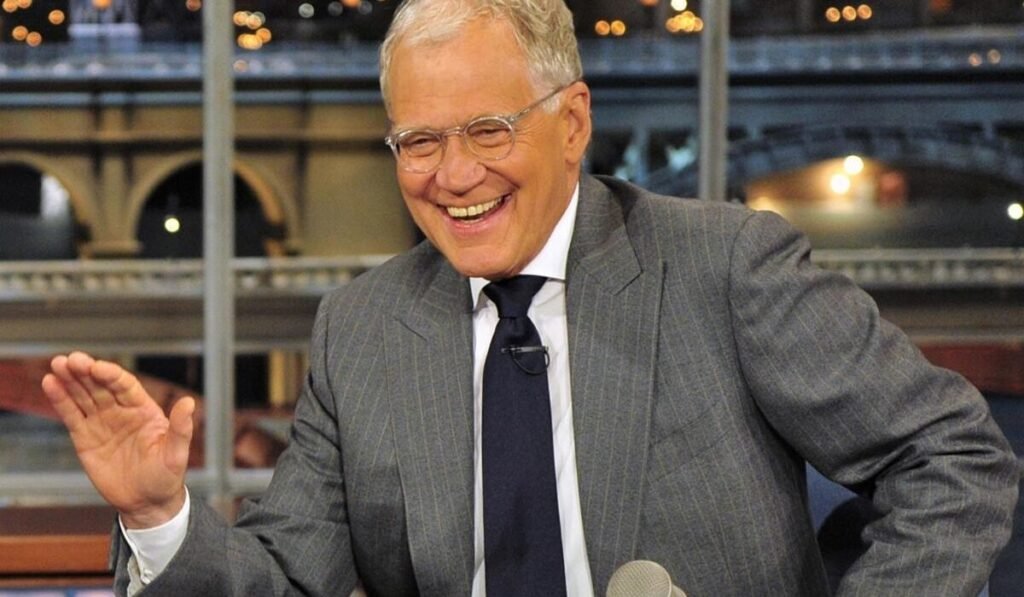
Higher education played a pivotal role in shaping the professional trajectory of David Letterman when he enrolled at Ball State University to study telecommunications. During his time on campus, he immersed himself in student broadcasting operations, working actively with the university radio station to hone his verbal delivery and timing. This hands-on academic environment allowed him to experiment with unconventional radio formats,
pushing boundaries and testing listener reactions with deadpan delivery. Faculty members and fellow students quickly noticed his knack for spontaneous commentary and sharp comedic timing, recognizing a natural talent for media production. Graduating with a bachelor’s degree in 1969, David Letterman laid a sturdy technical and creative foundation that directly enabled his swift entry into professional broadcasting right after finishing his undergraduate studies.
Early Broadcasting Career in Indianapolis
Entering the professional media landscape immediately after college, David Letterman secured jobs at various local radio and television stations in his home state. He worked tirelessly as a talk show host, news anchor, and television weatherman, quickly making waves with his unorthodox and playful approach to broadcasting.
Viewers tuned in eagerly to witness his eccentric weather reports, where he would playfully congratulate tropical storms or report temperatures for completely fictional cities. While some traditional station managers struggled to understand his bizarre comedic sensibility, local audiences adored the fresh energy he brought to standard broadcasting routines. These early regional television experiences provided David Letterman with a safe sandbox to refine his improvisational skills, proving that his distinct brand of unconventional humor had genuine commercial appeal.
Transition to Los Angeles and Stand-Up Comedy
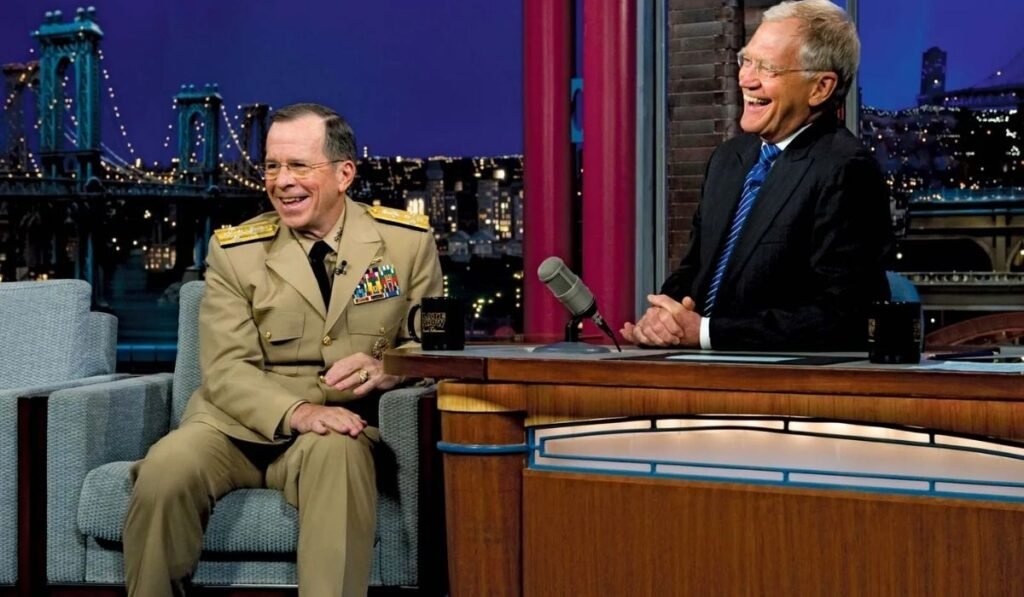
Seeking a grander stage for his comedic ambitions, David Letterman packed his belongings and moved to Los Angeles in the mid-1970s to pursue stand-up comedy full-time. Navigating the notoriously competitive Los Angeles comedy club scene proved challenging, but he persevered by performing nightly sets alongside other aspiring comics trying to break into the industry.
Writing material for television sitcoms helped him pay the bills while simultaneously sharpening his scriptwriting abilities and comedic structure. Stand-up allowed him to test raw, cynical, and observational jokes directly against live audiences, fine-tuning the precise delivery that would soon catch the attention of major television scouts. This grueling yet rewarding chapter in California transformed David Letterman from a local midwestern weatherman into a razor-sharp, battle-tested stand-up comedian ready for national exposure.
Breakthrough on The Tonight Show
The definitive turning point in the career of David Letterman arrived when talent coordinators for The Tonight Show starring Johnny Carson invited him to perform a stand-up routine. His debut performance in 1978 resonated strongly with Johnny Carson himself, who recognized a kindred spirit possessing rare comedic intelligence and timing. Carson frequently invited him back to perform, eventually elevating him to the coveted role of permanent guest host whenever the legendary main host was away.
Sitting behind the iconic desk gave David Letterman invaluable experience in celebrity interviewing and monologue delivery while introducing him to millions of nightly viewers. This powerful endorsement by Johnny Carson cemented David Letterman as a rising star in television, opening doors to independent hosting opportunities and network development deals.
Hosting the Short-Lived Daytime Talk Show
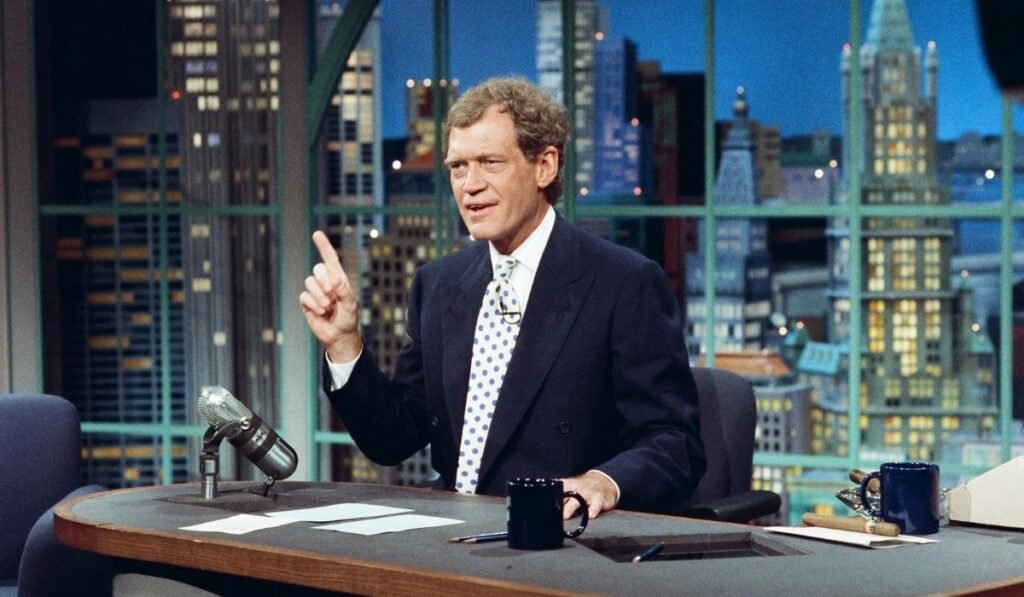
Capitalizing on his newfound momentum with NBC, network executives offered David Letterman his own daytime variety program titled The David Letterman Show in 1980. Airing in a morning time slot, the experimental program featured quirky segments, unconventional comedy bits, and an eccentric tone that contrasted sharply with traditional daytime programming.
Although critical reception praised the show’s innovative creativity and earned two Daytime Emmy Awards, daytime audiences accustomed to conventional talk formats failed to tune in regularly. Consequently, network leadership made the difficult decision to cancel the morning program after just a brief run on the air. Despite the commercial disappointment, network executives remained deeply impressed by the unique comedic vision of David Letterman, choosing to keep him under contract to develop a more suitable project for a different time slot.
Launching Late Night with David Letterman
On February 1, 1982, the landscape of late-night television shifted forever with the premiere of Late Night with David Letterman on NBC. Broadcasting right after Johnny Carson, the new program embraced a post-modern, irreverent, and chaotic energy that completely subverted traditional talk show conventions. Complete with musical accompaniment from bandleader Paul Shaffer, the show introduced viewers to bizarre recurring segments like Stupid Pet Tricks and the now-legendary Top Ten List. College students and night-owl viewers formed a fiercely loyal cult following, drawn to the host’s willingness to mock the medium of television itself. Late Night with David Letterman quickly established itself as a cultural touchstone, proving that intelligent absurdity could thrive brilliantly in late-night broadcasting.
The Historic Late-Night Wars and Network Switch
Following the retirement announcement of Johnny Carson in 1992, a massive industry scramble known as the Late Night Wars unfolded across national media outlets. Public and industry expectations heavily favored David Letterman to inherit the prestigious hosting chair of The Tonight Show, but NBC ultimately chose Jay Leno for the position. Feeling deeply undervalued by the network that launched his national career, David Letterman entered high-stakes negotiations with rival broadcaster CBS. He signed a blockbuster multi-million dollar contract to launch a brand-new competing program, setting the stage for a historic head-to-head ratings battle in late-night television history. This dramatic network migration demonstrated the immense commercial pulling power and cultural dominance that David Letterman commanded across the entertainment landscape.
Establishing the Late Show on CBS
Moving to CBS in 1993, David Letterman debuted the Late Show with David Letterman from the historic Ed Sullivan Theater in New York City. The new show successfully translated his signature irony and offbeat humor to a major broadcast competitor, dominating the ratings during its early years. Bringing along his core production team and trusted bandleader, he maintained creative control while adapting the broadcast to a slightly broader broadcast demographic. The Ed Sullivan Theater became a bustling New York landmark, frequently featuring outdoor comedy bits involving unsuspecting pedestrians and neighborhood vendors. Through the Late Show, David Letterman solidified his status as a titan of broadcasting, delivering thousands of hours of memorable entertainment to loyal viewers around the globe.
Cultural Impact and Innovative Comedy Segments
The creative legacy of David Letterman is inextricably linked to the groundbreaking comedy segments that continually pushed the boundaries of broadcast television. Features like the Top Ten List, viewer mailbag segments, and bizarre field pieces involving ordinary citizens captured the imagination of millions. His deadpan delivery and willingness to embrace awkward silences created an entirely new comedic vocabulary embraced by subsequent generations of performers. Furthermore, his interviewing style could pivot instantly from silly, self-deprecating banter to serious, hard-hitting political discourse depending on the guest across the desk. By constantly experimenting with the formal structures of television production, David Letterman ensured that his program remained an essential cultural laboratory for fresh comedic ideas.
Mentorship of Successors and Generation of Comedians
Beyond entertaining nightly audiences, David Letterman served as an essential mentor and inspiration for an entire wave of alternative comedy writers and performers. Titans of modern comedy such as Conan O’Brien, Jimmy Fallon, Seth Meyers, and Stephen Colbert have openly acknowledged his massive influence on their individual broadcasting styles. His production company, Worldwide Pants, actively nurtured outside talent by producing critically acclaimed primetime hits like Everybody Loves Raymond alongside various late-night companion programs. By providing a platform for eccentric writers and unconventional musical acts, David Letterman actively shaped the broader comedy ecosystem of the late twentieth century. This generous support of emerging creative voices guarantees that the artistic DNA of David Letterman lives on dynamically across current media platforms.
The Worldwide Pants Production Empire
Behind the scenes of his television success, David Letterman flexed significant business acumen through his independent production company, Worldwide Pants. Founded during his transition to CBS, the company successfully retained ownership and syndication rights for numerous television properties, generating substantial financial independence. Worldwide Pants produced not only his own late-night broadcasts but also late-night companion shows and massively profitable network sitcoms that dominated primetime ratings. This entrepreneurial venture protected his creative autonomy, allowing him to take artistic risks without fearing corporate interference from network executives. Through Worldwide Pants, David Letterman proved himself to be a shrewd media mogul capable of building a thriving entertainment empire from the ground up.
Overcoming Personal Health Challenges
In January 2000, the career and personal life of David Letterman faced a severe hurdle when he underwent emergency quintuple bypass heart surgery following routine medical screenings. The unexpected health crisis forced a temporary hiatus from his hosting duties, prompting an outpouring of emotional support from fans and colleagues worldwide. Upon returning to the Late Show stage several weeks later, he delivered an unforgettable, emotionally resonant monologue featuring the medical team that saved his life.
This vulnerable moment humanized the notoriously guarded entertainer, deepening his connection with viewers who appreciated his raw honesty regarding mortality and health. Surviving this major medical scare marked a profound chapter of personal reflection for David Letterman, subtly shifting the tone of his later broadcasting years toward deeper gratitude.
Retirement from Network Late-Night Television
After hosting an unprecedented 6,080 episodes across his career on NBC and CBS, David Letterman announced his planned retirement from daily late-night television. His final broadcast of the Late Show on May 20, 2015, drew massive critical acclaim and millions of nostalgic viewers tuning in to witness the end of an era. An all-star lineup of musical guests and comedians joined forces to pay heartfelt tribute to his monumental 33-year tenure behind the late-night desk. True to form, his final sign-off avoided overly sentimental mush, instead offering characteristically dry expressions of gratitude to his dedicated staff and loyal audience. Stepping away from daily television allowed David Letterman to enjoy a well-earned retirement focused on family life and personal pursuits.
Transition to Streaming with Netflix
The retirement of David Letterman proved short-lived as the evolving digital media landscape offered exciting new formats free from traditional network constraints. In 2018, he launched a monthly interview series on Netflix titled My Next Guest Needs No Introduction with David Letterman. The long-form streaming format allowed him to conduct deep, contemplative, and unhurried conversations with prominent global figures, activists, politicians, and cultural icons. Filmed largely outside a traditional studio setting, the program showcased a softer, deeply curious side of the veteran host as he engaged in meaningful dialogues. This successful pivot to streaming proved that the unique interviewing talents of David Letterman translate effortlessly to modern digital formats, captivating a brand-new audience of streaming subscribers.
Honors, Awards, and Industry Legacy
Throughout his illustrious decades-long career, David Letterman accumulated an extraordinary collection of industry accolades, including multiple Primetime Emmy Awards, Peabody Awards, and the prestigious Mark Twain Prize for American Humor. Universities and cultural institutions frequently honor his contributions to media arts, including the dedication of the David Letterman Communication and Media Building at his alma mater. Television historians consistently rank his programs among the greatest achievements in the history of broadcast entertainment, cementing his status as a permanent pillar of American culture. These numerous honors reflect a lifetime of dedicated craftsmanship, boundary-pushing creativity, and enduring cultural resonance. Long after leaving the daily broadcast schedule, David Letterman remains celebrated as a true titan of modern television history.
Personal Life and Philanthropic Endeavors
Away from the blinding studio lights, David Letterman maintains a notoriously private personal life, spending much of his time on a sprawling ranch in Montana. He married his longtime partner Regina Lasko in 2009, and together they raise their son, taking pleasure in outdoor activities and quiet family routines far away from Hollywood. His philanthropic efforts include substantial financial contributions to educational institutions, environmental causes, and community development projects in his home state of Indiana. Known for his distinctive white beard in retirement, he embraces a peaceful lifestyle centered on reading, automobile collecting, and enjoying nature. This quiet domesticity provides a stark, comforting contrast to the intense, high-stress decades David Letterman spent at the absolute forefront of national television.
Enduring Influence on Global Pop Culture
The cultural footprint left by David Letterman extends far beyond television ratings and award plaques, fundamentally altering how contemporary society consumes comedy and media commentary. By introducing ironic detachment and meta-humor into mainstream living rooms, he taught generations of viewers to question the artificial conventions of commercial broadcasting. His casual dress code, consisting of a suit jacket paired with athletic sneakers, symbolized a broader cultural rejection of stuffy formality in favor of authentic self-expression. Today, elements of his signature interview style and irreverent joke structure appear everywhere across digital video platforms and independent comedy podcasts. David Letterman permanently shifted the cultural dial, establishing a timeless legacy of comedic innovation that continues to inspire creators worldwide.
FAQs
- What was the name of the first late-night show hosted by David Letterman?
- Late Night with David Letterman premiered on NBC in February 1982.
- How many total episodes of late-night television did David Letterman host?
- He hosted a staggering 6,080 episodes across his tenure on both NBC and CBS.
- Which university did David Letterman attend for his undergraduate degree?
- He graduated from Ball State University with a degree in telecommunications in 1969.
- What is the title of his interview series streaming on Netflix?
- He hosts the critically acclaimed program My Next Guest Needs No Introduction with David Letterman.
- Which legendary host served as a primary mentor to David Letterman?
- Johnny Carson heavily supported and mentored him during his early appearances on The Tonight Show.