
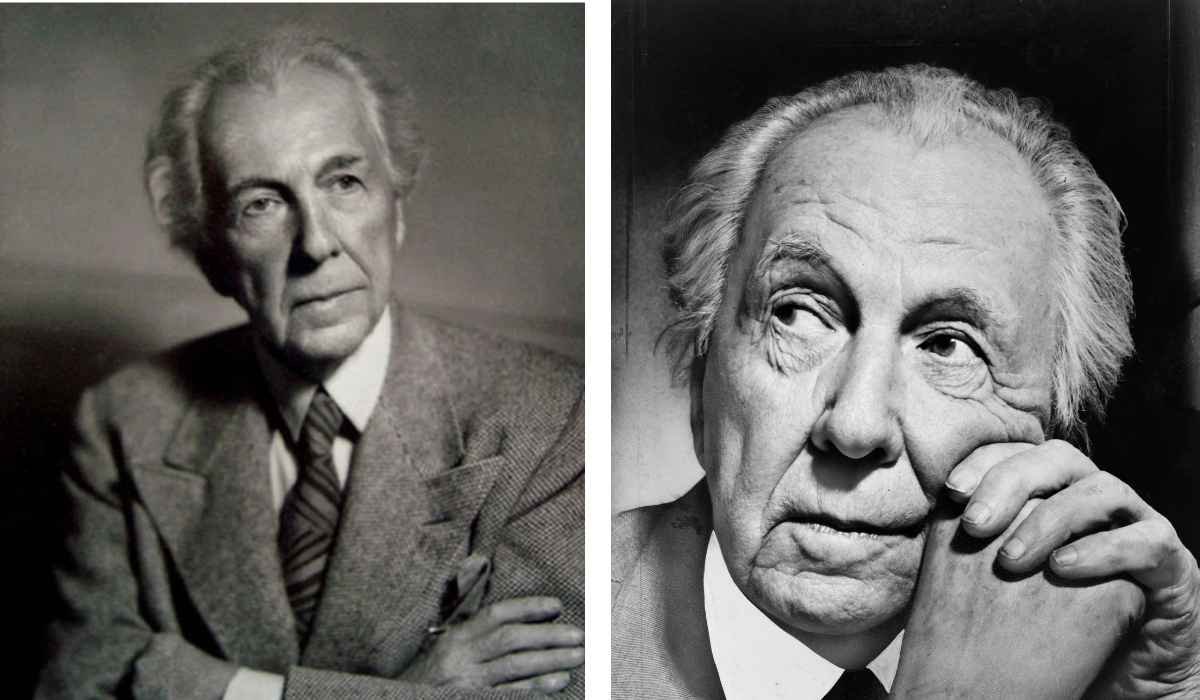
The world of architecture has been shaped by visionary pioneers, but few have left a mark as profound or enduring as Frank Lloyd Wright. Born in Wisconsin, his extraordinary career spanned over seven decades, redefining how human beings interact with their built environment. By championing principles that seamlessly integrated structures into natural landscapes, he created a revolutionary design language that continues to inspire modern designers globally. His commitment to innovation transformed residential and commercial spaces alike, leaving behind a treasure trove of iconic buildings that celebrate creativity, spatial harmony, and organic philosophy. This comprehensive exploration delves deep into his remarkable life, revolutionary style, and architectural evolution.
Quick Bio Overview
| Feature | Description |
| Full Name | Frank Lloyd Wright |
| Born | June 8, 1867, Richland Center, Wisconsin |
| Died | April 9, 1959, Phoenix, Arizona |
| Movement | Prairie School, Organic Architecture |
| Key Works | Fallingwater, Guggenheim Museum, Robie House |
Early Life and Formative Years in Wisconsin
Growing up amidst the picturesque landscapes of rural Wisconsin profoundly influenced the young creative’s perspective on nature and design. His mother introduced him to Froebel kindergarten blocks, which instilled an early fascination with geometric shapes, spatial relationships, and structural patterns that would later define his professional philosophy. These early educational toys provided a tactile understanding of form, balance, and volume, planting the seeds for his future masterpieces. Experiences on his family’s farm fostered a deep reverence for the natural world, teaching him to observe the subtle interplay of sunlight, shadow, and changing seasonal landscapes carefully. Every single memory from those formative years built a strong foundation for Frank Lloyd Wright.
Apprenticeship and the Chicago Architectural Scene
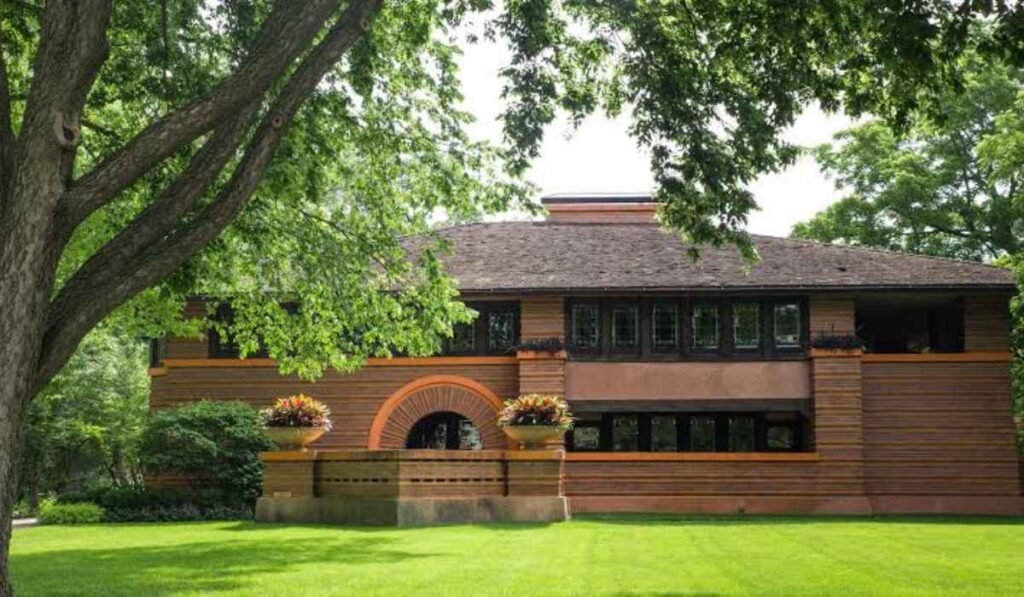
Moving to Chicago during the bustling late nineteenth century opened exciting professional doors for the ambitious young draftsman looking to make his mark. He initially worked under Joseph Lyman Silsbee before securing a prestigious position with the legendary firm Adler and Sullivan, led by Louis Sullivan. Working closely with Sullivan provided invaluable mentorship, refining his technical skills and challenging conventional design boundaries of the era. During this intense period of professional growth, he absorbed critical lessons regarding ornamentation, structural integrity, and architectural honesty. The vibrant atmosphere of the Windy City greatly accelerated the development of Frank Lloyd Wright.
Establishment of Independent Practice in Oak Park
Venturing out on his own in eighteen ninety-three marked a major turning point as he opened a private studio attached to his Oak Park residence. This creative sanctuary allowed him to experiment freely with residential layouts, breaking away from the rigid, compartmentalized Victorian boxes that dominated contemporary suburban neighborhoods. Surrounded by a talented group of young assistants and draftsmen, he began cultivating a fresh aesthetic vocabulary tailored to modern American lifestyles. His domestic projects from this decade displayed unprecedented spatial fluidity, uniting indoor living areas with exterior gardens. Innovation flourished effortlessly within the studio of Frank Lloyd Wright.
Birth of the Revolutionary Prairie School Style
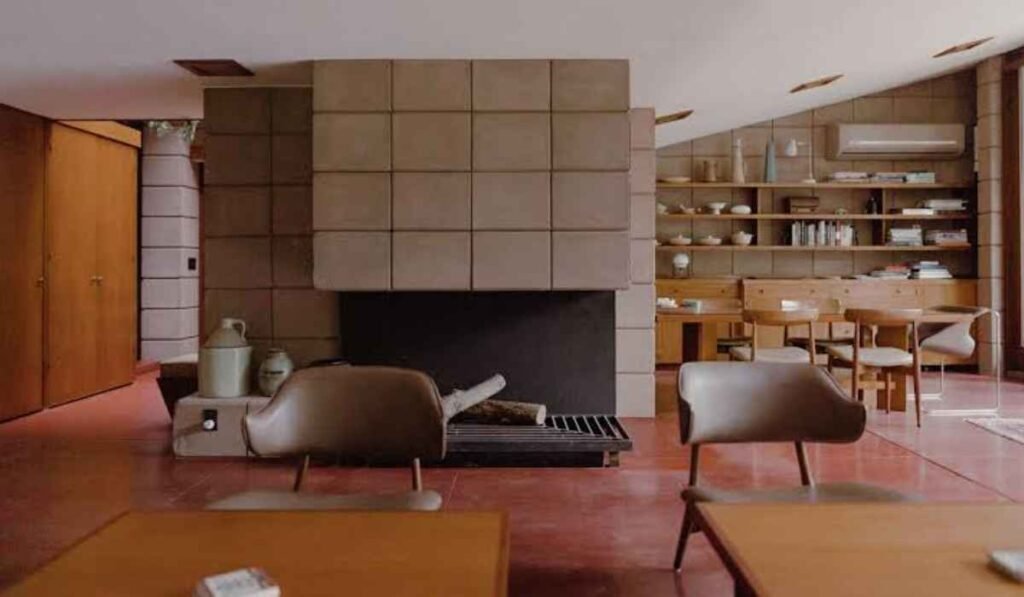
Rejecting traditional architectural norms, he pioneered the distinctive Prairie School style, which harmonized effortlessly with the flat Midwestern landscape of the United States. This innovative movement emphasized strong horizontal lines, low-pitched roofs, wide overhanging eaves, and central hearths that anchored each home to the earth. Interior walls were minimized to create open-plan living spaces that encouraged family interaction and maximised natural light through continuous bands of art glass windows. Homeowners embraced these spacious, comfortable residences that redefined suburban domestic architecture across the country. Modern residential design was forever changed by Frank Lloyd Wright.
The Masterpiece of Robie House in Chicago
Completed in nineteen ten, the Frederick C. Robie House stands today as the ultimate culmination of his iconic Prairie School design philosophy. Located in the Hyde Park neighborhood of Chicago, its striking cantilevered rooflines and abstract geometric forms created a dramatic visual statement. The interior spaces flowed seamlessly into one another, offering privacy while maintaining an open, airy atmosphere that welcomed natural sunlight throughout the day. Carefully chosen materials, custom furniture, and integrated lighting demonstrated an extraordinary attention to comprehensive environmental detail. Architectural history was profoundly rewritten by Frank Lloyd Wright.
Personal Upheaval and European Sojourn
A tumultuous period marked by public controversy and high-profile personal choices led him to temporarily leave the United States for Europe in nineteen hundred and nine. Traveling extensively across Germany and Italy, he oversaw the publication of the famous Wasmuth Portfolio, which showcased his pioneering architectural achievements to an international audience. This European exposure brought widespread acclaim, influencing emerging modernist movements abroad while allowing him time for deep personal reflection. Despite the emotional turbulence of these years, his creative vision remained entirely undiminished and fiercely ambitious. Global architectural discourse was heavily impacted by Frank Lloyd Wright.
Designing Taliesin as a Personal Sanctuary and Studio
Upon returning to Wisconsin, he purchased ancestral land in Spring Green to build Taliesin, a sprawling residential complex that served as both home and architectural workshop. True to his organic principles, the structure was built directly into the brow of a picturesque hill, utilizing local limestone and sand from the surrounding river valley. Taliesin embodied his core belief that buildings should grow naturally from their specific sites rather than being imposed aggressively upon them. Tragedy struck the estate multiple times, yet he demonstrated remarkable resilience by rebuilding each time. Creativity continuously blossomed within the walls of Frank Lloyd Wright.
The Creation of Taliesin West in Arizona
Seeking refuge from harsh Midwestern winters, he later established a second major seasonal home and desert camp known as Taliesin West in Scottsdale, Arizona. Constructed using native desert rocks and redwood beams, this remarkable winter compound blended organically into the rugged, arid landscape of the Sonoran Desert. Apprentices and students worked hand in hand with the master architect, gathering materials directly from the surrounding environment to build and maintain the desert campus. The complex demonstrated his brilliant adaptability to entirely different climatic and geographical conditions. Desert architecture was completely revolutionized by Frank Lloyd Wright.
Architectural Breakthrough with Imperial Hotel in Tokyo
Commissioned to design the Imperial Hotel in Tokyo, Japan, he faced the daunting challenge of creating a luxury structure capable of withstanding severe seismic activity. Utilizing floating cantilevered floor slabs, unreinforced brick masonry, and a flexible interconnected foundation system, the innovative building proved its worth almost immediately. When the devastating Great Kanto earthquake struck Tokyo in nineteen twenty-three, the hotel survived largely unscathed while surrounding buildings collapsed into ruin. This engineering triumph cemented his reputation as a master builder of international renown. Structural engineering reached new heights through Frank Lloyd Wright.
The Organic Architecture Philosophy and Harmony
Organic architecture remained the guiding theological framework behind every single structure he conceived throughout his legendary seven-decade professional career. He believed that a building should relate to its site, environment, and materials in the same way a tree or flower relates to nature. This holistic approach meant that exterior landscaping, interior furniture, stained glass windows, and structural frames were designed as a unified, cohesive artistic entity. Humanity and the natural world found peaceful coexistence within the visionary concepts championed by Frank Lloyd Wright.
Fallingwater and the Pinnacle of Residential Design
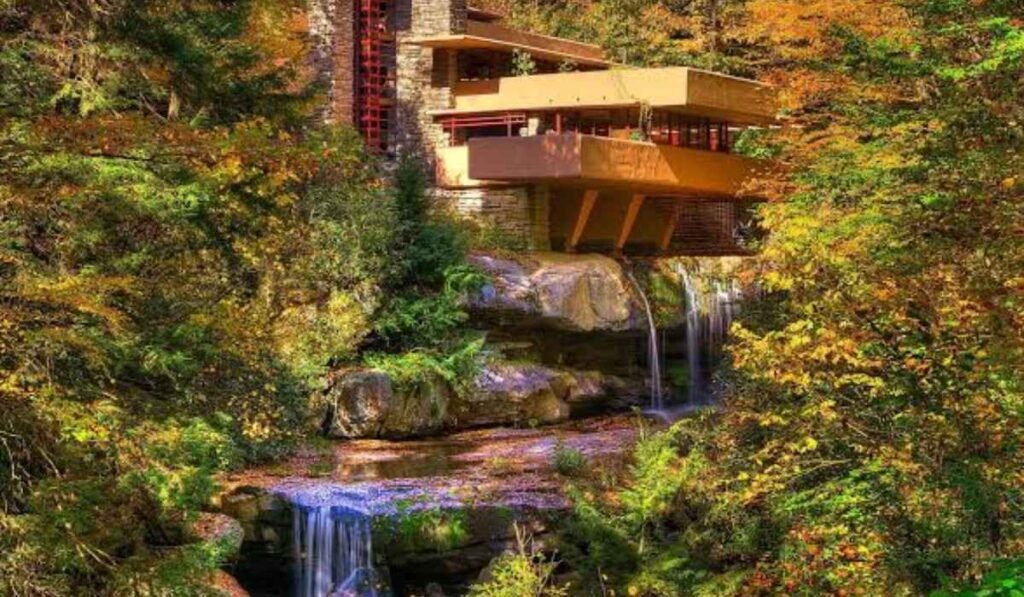
Commissioned by Edgar J. Kaufmann Sr., Fallingwater stands universally acclaimed as one of the greatest architectural masterpieces of the twentieth century. Perched dramatically over a rushing waterfall in Bear Run, Pennsylvania, the house utilizes bold reinforced concrete terraces that hover above the stream rather than sitting beside it. The soothing sound of running water permeates every room, while native stone walls anchor the floating concrete forms firmly to the rocky cliffside. Residential design standards were forever transformed by the brilliant genius of Frank Lloyd Wright.
The Solomon R. Guggenheim Museum in New York
Designed late in his career, the Solomon R. Guggenheim Museum in New York City challenged traditional museum architecture with its striking inverted ziggurat spiral form. Visitors take an elevator to the top floor and descend gently along a continuous, ramped gallery lit by a magnificent central glass dome. This unique spatial layout offered an uninterrupted viewing experience, allowing art enthusiasts to engage with exhibitions in a flowing, continuous spatial sequence. Cultural institution design was radically redefined by Frank Lloyd Wright.
Introduction of Usonian Homes for Middle-Class Families
Recognizing the economic realities of the Great Depression, he developed the Usonian home concept to provide affordable, high-quality housing for average American families. These innovative dwellings featured efficient slab-on-grade foundations with integrated radiant floor heating, carport shelters, and compact open-plan kitchen areas. Utilizing economical local materials such as wood, brick, and glass, these streamlined homes proved that exceptional architectural design could be accessible to everyone. Affordable housing options were successfully reimagined by Frank Lloyd Wright.
Broadacre City and Visionary Urban Planning
Beyond individual buildings, he envisioned Broadacre City, an ambitious suburban planning model designed to decentralize traditional urban centers through modern transportation and communication. Each American family would be allocated an acre of land, combining agricultural productivity with decentralized working and living spaces. Although never fully built as a complete municipality, this radical urban proposal anticipated post-war suburban expansion and car-centric commuter culture by several decades. Urban planning theories were deeply challenged by Frank Lloyd Wright.
The Taliesin Fellowship and Mentoring Young Apprentices
To pass on his unique knowledge, he established the Taliesin Fellowship in nineteen thirty-two, inviting aspiring architects to live, work, and learn directly under his guidance. Apprentices participated in hands-on construction, farming, cooking, and drafting, absorbing a holistic lifestyle that combined rigorous professional practice with community living. This immersive educational model produced numerous talented architects who went on to propagate organic design principles across the globe. Future generations of designers were heavily mentored by Frank Lloyd Wright.
Innovations in Building Materials and Construction Techniques
Always eager to experiment, he pushed the boundaries of standard construction materials, utilizing precast textile concrete blocks, perforated metal screens, and innovative glass designs. In buildings like the Johnson Wax Administration Building in Racine, Wisconsin, he introduced slender, dendriform concrete columns that expanded upward like lily pads. These creative structural solutions demonstrated his mastery over engineering mechanics, allowing him to create ethereal, light-filled interior spaces that defied conventional weight limits. Construction technology advanced dramatically thanks to Frank Lloyd Wright.
Recognition, Awards, and Later Years of Productivity
During his final decades, he received numerous prestigious accolades, including the Gold Medals from both the American Institute of Architects and the Royal Institute of British Architects. Despite advanced age, he maintained an astonishing output of creative work, writing books, delivering lectures, and designing major cultural projects until his final days. His tireless energy and unwavering dedication to aesthetic innovation cemented his status as a legendary cultural icon in American history. Professional excellence was consistently maintained by Frank Lloyd Wright.
Preservation of His Architectural Heritage Today
Numerous structures designed throughout his lifetime are now meticulously preserved as public museums, historic landmarks, and UNESCO World Heritage sites visited by millions annually. Organizations like the Frank Lloyd Wright Building Conservancy work tirelessly to protect these fragile residential and commercial treasures from urban encroachment and deterioration. Educational programs ensure that contemporary audiences understand the profound cultural significance behind his organic design philosophy. Historical preservation efforts are passionately championed for Frank Lloyd Wright.
Enduring Influence on Contemporary Design Aesthetics
Decades after his passing, his architectural philosophy continues to inspire sustainable green building practices, minimalist interior trends, and open-plan residential developments across the world. Architects and designers frequently look back at his pioneering integration of indoor and outdoor spaces to solve modern ecological and spatial challenges. His visionary legacy proves that buildings can exist in complete harmony with nature without sacrificing functional elegance or human comfort. Modern design standards remain deeply indebted to Frank Lloyd Wright.
Conclusion and Global Cultural Impact
In summary, the extraordinary life and prolific career of America’s most famous master builder reshaped the physical world in profound and lasting ways. From the prairies of the Midwest to the deserts of Arizona and the waterfalls of Pennsylvania, his creations celebrate a deep respect for humanity and the environment. His fearless innovation, rejection of conformity, and commitment to organic architecture guarantee that his artistic voice will echo across generations. To explore more about his encyclopedic impact on global culture, visit the FRIENDLY page.
Frequently Asked Questions
- What was the primary design philosophy of Frank Lloyd Wright?
- Organic architecture, which emphasized designing buildings in complete harmony with humanity and their natural environment.
- What are some of his most famous architectural creations?
- Iconic masterpieces include Fallingwater, the Solomon R. Guggenheim Museum, and the Frederick C. Robie House.
- When and where was Frank Lloyd Wright born?
- He was born on June 8, 1867, in Richland Center, Wisconsin.
- What architectural movement did he help pioneer?
- He was the chief practitioner and pioneer of the Prairie School movement in American architecture.
- How many buildings did he design during his career?
- He designed over one thousand structures, with more than five hundred actually built during his 70-year career.