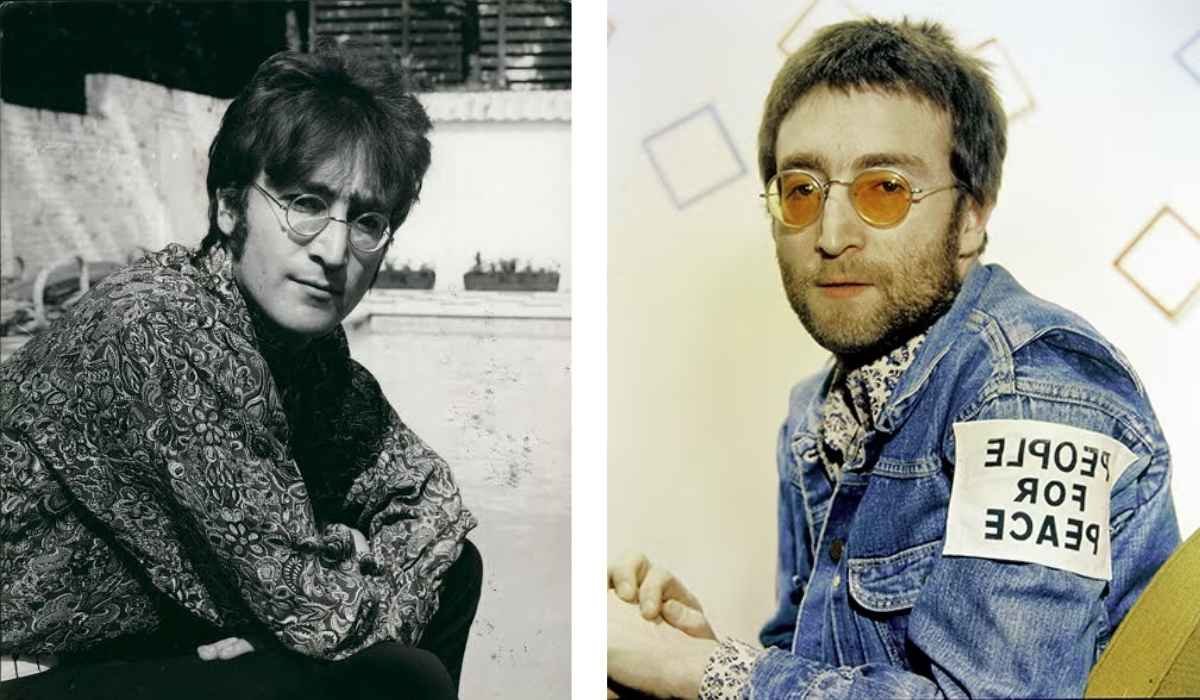
The history of modern popular music features few figures as profoundly influential, culturally transformative, and enduringly celebrated as John Lennon. Born during the turbulent years of World War II in Liverpool, England, he rose to global prominence as the co-founder, co-lead vocalist, and rhythm guitarist of the legendary Beatles. Alongside his legendary songwriting partnership with Paul McCartney, he reshaped the boundaries of artistic expression, blending raw rock and roll energy with deep social consciousness. His life remains a testament to the power of art, activism, and relentless emotional honesty.
Quick Bio
| Attribute | Detail |
| Full Name | John Winston Ono Lennon |
| Born | October 9, 1940 (Liverpool, England) |
| Died | December 8, 1980 (New York City, USA) |
| Key Bands | The Quarrymen, The Beatles |
| Spouse | Yoko Ono (m. 1969) |
| Notable Works | Imagine, Plastic Ono Band, Give Peace a Chance |
Early Beginnings in Liverpool and Family Roots
Growing up in post-war Liverpool presented distinct challenges that deeply shaped the psyche and artistic outlook of John Lennon. Raised primarily by his strict yet loving aunt Mimi after family separations, he developed a rebellious streak that found solace in the burgeoning skiffle and rock and roll movements sweeping across Great Britain. These formative years instilled in him a fierce independence and a working-class pride that he would carry throughout his entire career, using music as an outlet for his complex emotions and youthful frustrations.
Formation of the Quarrymen and Musical Awakening
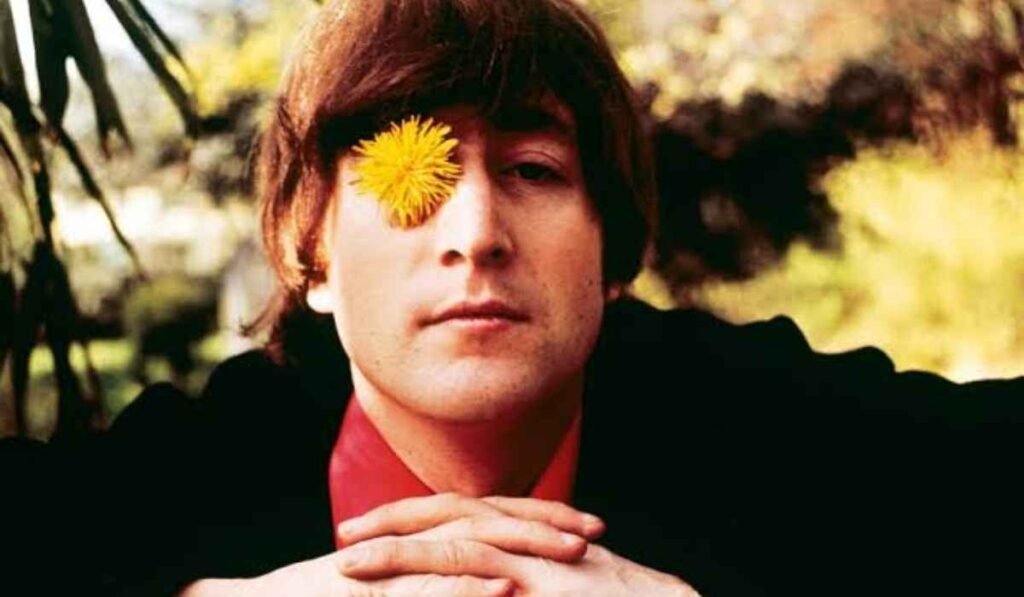
The teenage years brought a pivotal shift when John Lennon formed his first amateur skiffle group called the Quarrymen. This modest outfit served as the foundational bedrock for what would eventually evolve into the greatest musical phenomenon in history. Meeting fellow aspiring musicians who shared his passion for American records allowed him to channel his creative energy, transforming everyday adolescent rebellion into disciplined songwriting and collaborative performance mastery that commanded attention from local audiences.
Meeting Paul McCartney and Forging a Legendary Partnership
A fateful summer afternoon church fete in Woolton introduced John Lennon to a talented young guitarist named Paul McCartney. Recognizing each other’s musical prowess and shared love for early rock pioneers, they quickly formed a partnership that changed popular culture forever. Their chemistry sparked a prolific writing engine, producing countless melody lines and lyrical masterpieces that defined a generation, bridging the gap between simple pop tunes and complex artistic statements.
The Birth of Beatlemania and Global Domination
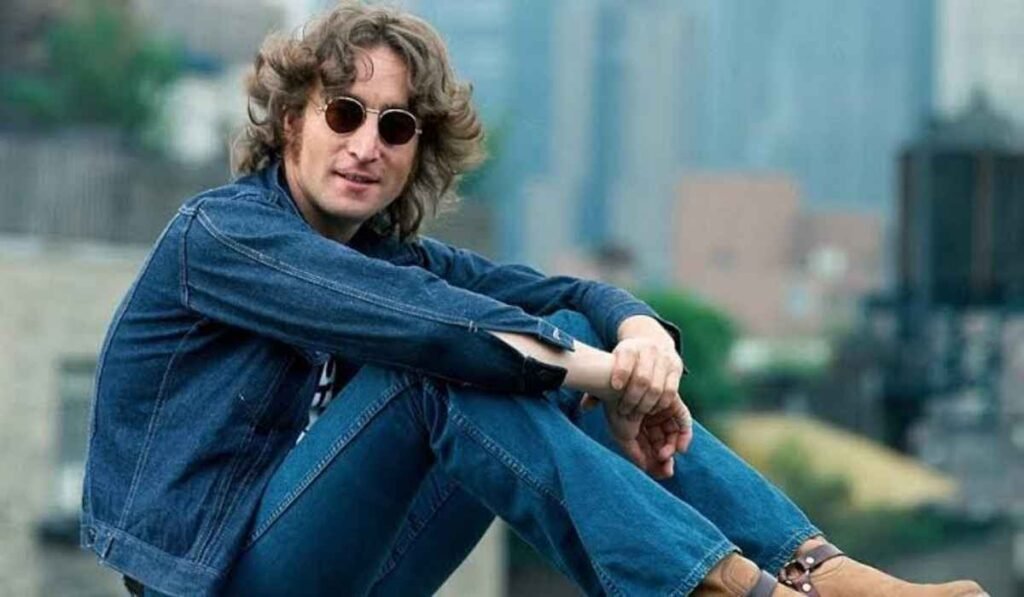
The early 1960s witnessed the unstoppable rise of the Beatles, with John Lennon serving as the charismatic de facto leader of the iconic ensemble. As Beatlemania swept across the United Kingdom and rapidly crossed the Atlantic Ocean, the band captured the hearts of millions with their infectious energy, matching suits, and chart-topping singles. He navigated this sudden, overwhelming fame with characteristic wit and sharp sarcasm, anchoring the group’s public persona during frantic international tours.
Evolution of Songwriting and Experimental Studio Years
As the touring pressures mounted, the artistic vision of John Lennon shifted inward toward groundbreaking studio experimentation. Albums like Rubber Soul and Revolver showcased a sophisticated leap in composition, introducing complex lyrical themes, avant-garde soundscapes, and philosophical introspection. He pushed his fellow band members to embrace artistic risks, ensuring that their recorded output remained innovative, culturally relevant, and light-years ahead of contemporary pop music standards.
Cultural Anthems and Counterculture Leadership
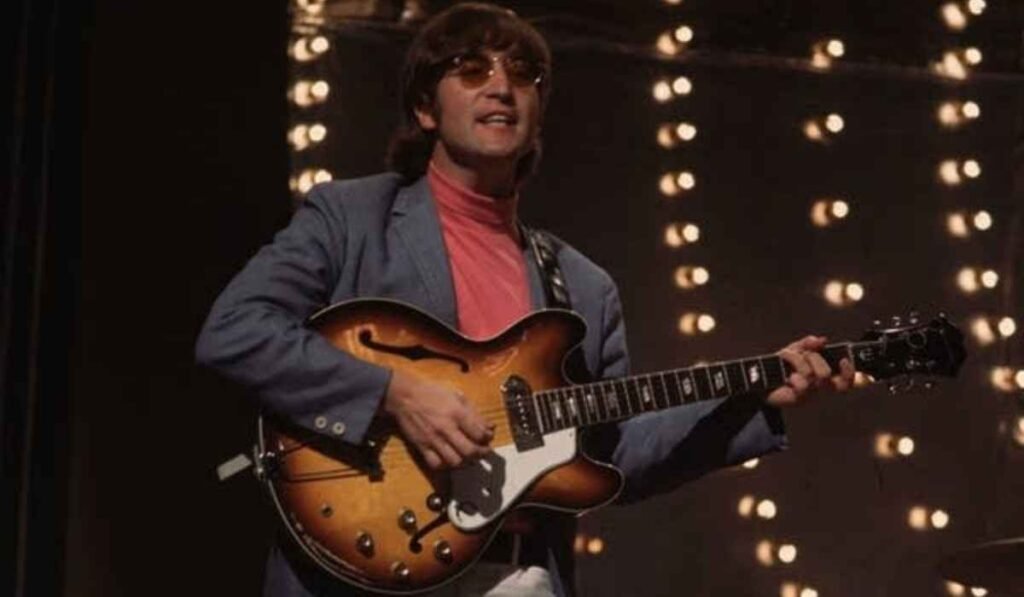
The late sixties cemented John Lennon as an unmistakable voice of the global counterculture and anti-war movement. Tracks like All You Need Is Love and revolutionary anthems became rallying cries for peace, civil rights, and social change during periods of intense geopolitical strife. He utilized his massive platform to challenge institutional authority, questioning political norms and encouraging youth worldwide to imagine a more harmonious, unified global society.
Activism and Peace Campaigns with Yoko Ono
Following his romance and marriage to avant-garde artist Yoko Ono, John Lennon embarked on high-profile public peace campaigns. Famous events like the Bed-Ins for Peace transformed honeymoon publicity into powerful political statements against military conflict. Alongside these protests, he recorded timeless peace anthems that encouraged ordinary citizens to question authority, advocate for social justice, and actively participate in building a compassionate, war-free world.
The Bitter Dissolution of the Beatles
The conclusion of the nineteen-sixties brought internal friction, creative divergence, and business disputes that ultimately caused John Lennon to quietly step away from the world’s most famous band. Announcing his departure internally before the public breakup, he felt a mixture of grief and profound liberation. This painful transition closed an monumental chapter of twentieth-century entertainment history, clearing the path for an entirely new, unvarnished phase of personal musical expression.
Launching a Fearless Solo Career and Raw Expression
Embracing total artistic freedom, John Lennon launched a solo career defined by stark emotional exposure and political directness. His debut solo records stripped away the elaborate instrumentation of his past work, replacing it with primal therapy-inspired lyrics that confronted personal trauma, abandonment, and societal hypocrisy head-on. This courageous vulnerability endeared him to fans who appreciated his refusal to hide behind pop stardom artifice.
The Creation of Imagine and Global Immortality
Among his extensive solo contributions, the timeless anthem Imagine stands out as the crowning artistic achievement of John Lennon. Featuring a deceptively simple piano melody and evocative lyrics, the song envisioned a world free from the divisive boundaries of religion, nationalism, and material possessions. Decades after its initial release, it continues to serve as an universal hymn of hope, peace, and human solidarity during times of global crisis.
The Lost Weekend and Personal Turmoil in Los Angeles
Midway through the nineteen-seventies, John Lennon experienced a turbulent period known widely as his lost weekend. Separated temporarily from Yoko Ono, he relocated to Los Angeles where he indulged in heavy drinking and erratic behavior while recording uneven musical projects. Despite the personal chaos, this reflective hiatus eventually allowed him to reevaluate his priorities, mend vital relationships, and prepare for a meaningful return to domestic and creative stability.
Retreat into Fatherhood and Domestic Life
Choosing family over fame, John Lennon made the conscious decision to retreat from the music industry to raise his newborn son Sean. Spending five quiet years as a dedicated househusband in New York City, he baked bread, learned parenting firsthand, and found deep peace away from the glaring spotlight of public scrutiny. This domestic sabbatical highlighted a softer, nurturing side of his personality that contrasted sharply with his earlier rock star persona.
Triumphant Musical Comeback with Double Fantasy
The year 1980 marked a triumphant return to the recording studio for John Lennon with the collaborative album Double Fantasy. Filled with optimistic tracks celebrating mature love, fatherhood, and personal renewal, the record captured an artist who felt rejuvenated and excited about his future. Fans and critics alike welcomed his comeback with immense enthusiasm, viewing these new compositions as the promising beginning of an inspiring second musical act.
Tragic Assassination and Sudden Global Mourning
The profound optimism of his musical return was shattered when John Lennon was tragically murdered outside his Manhattan apartment building in December 1980. News of his untimely death sent shockwaves across the globe, prompting millions of grieving fans to gather in spontaneous candlelight vigils from New York to Liverpool. The senseless loss robbed the world of a visionary voice just as he was rediscovering his creative momentum and personal joy.
Posthumous Honors and Inductions into Music History
In the wake of his passing, the cultural influence and musical catalog of John Lennon received widespread institutional recognition. He was posthumously inducted into the Songwriters Hall of Fame and earned double induction into the prestigious Rock and Roll Hall of Fame—first as a member of the Beatles and later as a celebrated solo artist. These accolades cemented his permanent status as a foundational pillar of modern music history.
Enduring Artistic Legacy Across Modern Generations
Decades after his tragic death, the spirit and philosophy of John Lennon continue to inspire contemporary musicians, artists, and activists. His uncompromising commitment to artistic integrity, peace advocacy, and emotional transparency serves as a golden standard for creative expression. Whether through the timeless appeal of Beatles classics or his powerful solo anthems, his voice remains an active, guiding force in contemporary culture.
Influence on Social Activism and Modern Humanitarianism
Beyond entertainment, the lasting impact of John Lennon heavily influences modern humanitarian efforts and grassroots social activism. His willingness to risk commercial success to protest injustice and advocate for human rights paved the way for modern celebrity philanthropy and political engagement. Activists worldwide continue to quote his lyrics and adopt his peaceful strategies when confronting oppression, war, and societal inequality.
Preservation of Archives and Digital Remastering Projects
Modern technology has allowed archivists and surviving collaborators to preserve and enhance the recordings of John Lennon for modern digital audiences. Advanced audio separation techniques have rescued forgotten cassette demos, transforming them into pristine chart-topping tracks that bridge past eras with modern production standards. These painstaking restoration efforts ensure that his creative genius remains vivid, accessible, and crystal clear for future generations of listeners.
Final Reflections on a Revolutionary Cultural Icon
The remarkable journey of John Lennon stands as a powerful reminder of how one individual can reshape global culture through passion, intellect, and art. From his working-class roots in Liverpool to international superstardom and peaceful martyrdom, his life encapsulated the triumphs and struggles of the human condition. Ultimately, his enduring message remains an eternal invitation to dream, question, and strive for a more peaceful world.
Frequently Asked Questions
- When was John Lennon born and where was his hometown?
- John Lennon was born on October 9, 1940, in Liverpool, England.
- What was the name of the famous band he co-founded in the 1960s?
- He co-founded the legendary rock group known globally as the Beatles.
- Who was his second wife and long-term artistic collaborator?
- He was married to the acclaimed Japanese multimedia artist Yoko Ono.
- What is considered his most famous solo musical composition?
- His timeless 1971 peace anthem “Imagine” remains his most celebrated solo work.
- How and when did John Lennon pass away?
- He was tragically shot and killed outside his New York City apartment on December 8, 1980.