The dazzling entertainment world of the twentieth century witnessed few figures as boldly provocative, culturally transformative, and enduringly iconic as the legendary Mae West, whose sharp wit, unapologetic sensuality, and groundbreaking command over her own artistic destiny challenged conventional societal norms, redefined the boundaries of cinematic censorship, and established an immortal legacy that continues to captivate modern audiences, inspire generations of performers, and remain an essential subject of deep historical fascination, cultural analysis, and enduring pop-cultural celebration across the globe.
Quick Bio
| Attribute | Detail |
| Full Name | Mary Jane West |
| Birth Date | August 17, 1893 |
| Birth Place | Brooklyn, New York, U.S. |
| Death Date | November 22, 1980 |
| Profession | Actress, Singer, Playwright, Screenwriter |
| Years Active | 1907–1979 |
Early Beginnings in Brooklyn
Born in the bustling borough of Brooklyn, New York, Mary Jane West emerged from humble yet spirited working-class beginnings that nurtured an innate talent for performance. Her mother, a former fashion model, and her father, a former prizefighter, provided an environment that encouraged her early theatrical ambitions. From a remarkably tender age, she demonstrated a natural charisma, entertaining crowds at local church socials and winning prizes in amateur talent contests. These formative childhood experiences laid the solid foundation for a lifetime dedicated to the stage, shaping her unique perspective on entertainment and preparing her for the competitive lights of professional show business. Mae West embraced every single opportunity to perform, refining her distinct stage presence and absorbing the energetic atmosphere of early American entertainment long before achieving widespread national fame.
The Vaudeville Years and Early Stage Success
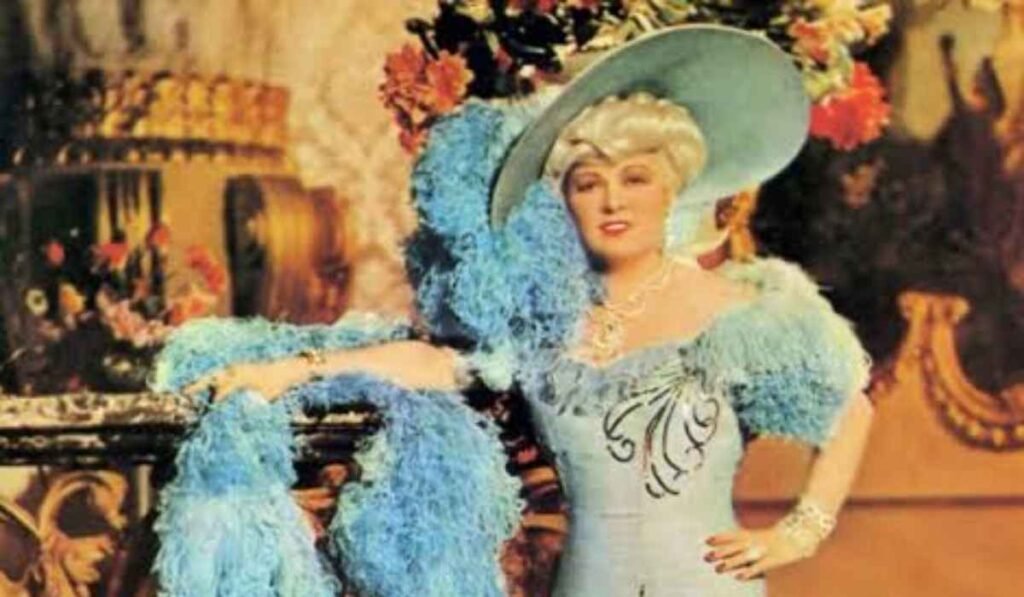
Transitioning swiftly from amateur showcases to professional circuits, Mae West entered the demanding world of vaudeville as a teenager. Traveling across the country, she honed her comedic timing, vocal delivery, and theatrical adaptability in front of diverse audiences. Vaudeville taught her how to command a room, handle unpredictable crowds, and deliver punchlines with razor-sharp precision. Her relentless work ethic and unmistakable individuality helped her stand out in a crowded landscape of traveling performers. These grueling yet rewarding years on the road forged her artistic resilience, transforming a ambitious young girl from Brooklyn into a seasoned theatrical professional capable of captivating any audience with her distinctive charm, theatrical flair, and fierce independence.
Breaking Out on Broadway
Moving from touring vaudeville circuits to the prestigious stages of New York City marked a major turning point in her expanding career. She made her official Broadway debut singing and dancing in early theatrical revues, quickly earning notice for her sultry voice and unique delivery. Rather than blending into the background as a conventional chorus girl, she injected her own bold personality into every musical number and sketch. Theatergoers and critics alike began to take notice of her magnetic energy, recognizing that she possessed a rare star quality. This initial Broadway success fueled her creative ambitions, inspiring her to take complete control of her artistic trajectory by writing her own material and crafting provocative storylines that challenged Victorian sensibilities.
Writing Controversial Plays and Facing Censorship
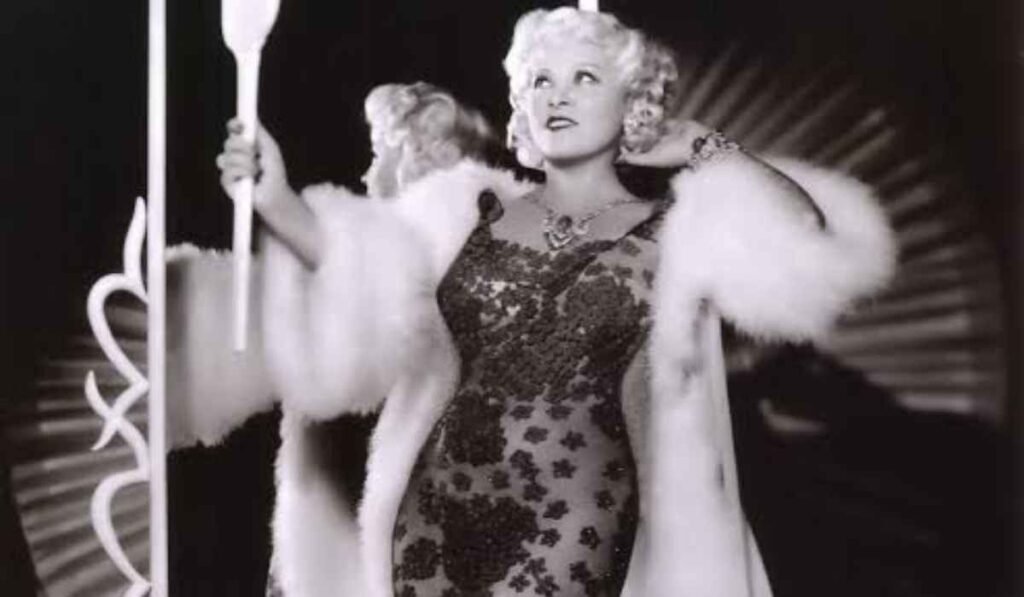
Determined to showcase her own vision, she took the bold step of writing, producing, and starring in her own Broadway productions, beginning with the sensational 1926 play simply titled Sex. The production tackled taboo themes head-on, creating an instant cultural uproar that drew massive crowds and severe legal scrutiny. Authorities eventually intervened, leading to a raid and a brief jail sentence for the rising star. Far from damaging her reputation, the scandal catapulted her into national prominence, cementing her status as a fearless provocateur who understood the immense power of publicity. Mae West turned censorship into a brilliant marketing tool, proving that controversy could be successfully harnessed to build an unprecedented and fiercely independent entertainment empire.
Transitioning to Hollywood and Paramount Pictures
Following her triumphs and trials on the New York stage, Hollywood came calling as major studios sought fresh talent to revitalize the box office during the early 1930s. Paramount Pictures signed her to a film contract, providing the grand platform she needed to reach millions of international moviegoers. Making her cinematic debut in a supporting role, she immediately stole the show with her unforgettable wisecracks and mesmerizing screen presence. Studio executives quickly realized her immense box-office potential, giving her creative freedom over her dialogue and storylines. Mae West transitioned effortlessly from the Broadway stage to the silver screen, establishing a signature cinematic persona that blended glittering glamour with sharp, satirical wit.
Creating Cinematic Masterpieces and Working with Cary Grant
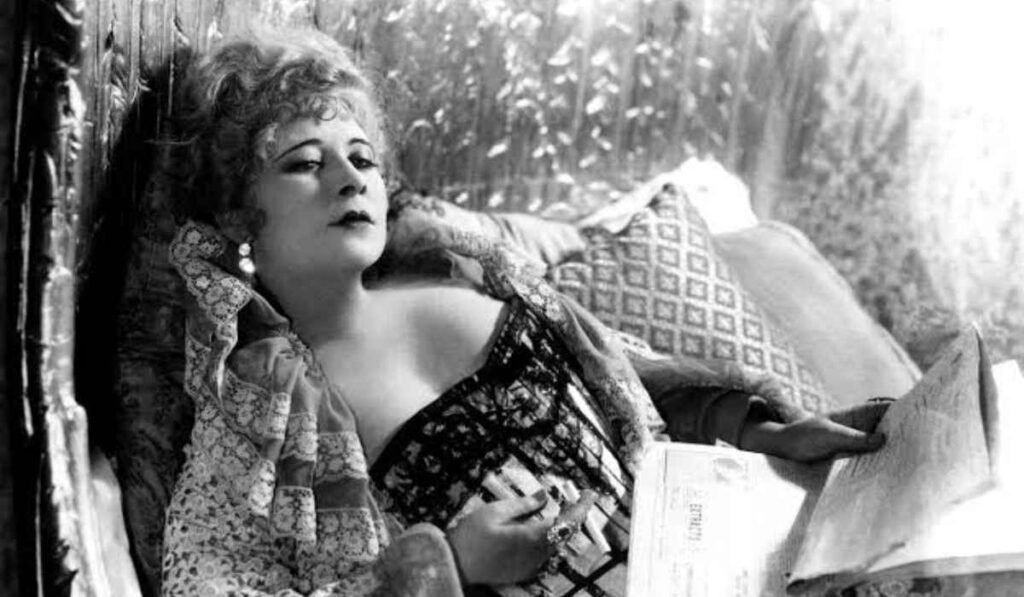
Her breakthrough starring role in the film adaptation of her hit play Diamond Lil, retitled She Done Him Wrong, became an instant cultural phenomenon and saved Paramount Studios from financial ruin. The picture also introduced a young, relatively unknown actor named Cary Grant to leading-man stardom alongside her. Her effortless delivery of iconic double entendres and memorable one-liners defined her cinematic appeal. Every frame radiated confidence, charisma, and a playful mockery of traditional moral codes. Mae West infused her films with sparkling humor and peerless style, turning each project into a masterclass in comedic timing, magnetic screen acting, and unforgettable Hollywood entertainment.
The Phenomenal Success of I Am No Angel
Building rapidly upon her massive cinematic momentum, she immediately wrote and starred in another blockbuster hit titled I Am No Angel, which shattered box-office records across the nation. Portraying a charismatic circus performer who captivates high society, she showcased her remarkable range as an actress, singer, and comedic powerhouse. The movie featured dazzling musical numbers, sharp dialogue exchanges, and her trademark sultry confidence. Audiences lined up around the block to witness her unique brand of subversive humor during the depths of the Great Depression. Mae West proved with this triumphant picture that her immense popularity was no fleeting trend, securing her permanent place among the premier box-office royalty of classic Hollywood cinema.
Navigating the Production Code and Creative Adaptations
As her cinematic influence expanded, conservative activist groups pushed for stricter enforcement of the Motion Picture Production Code, aiming to curb her suggestive humor. Faced with mounting censorship pressures and studio guidelines, she brilliantly adapted her writing style without losing her signature ironic edge or comedic brilliance. Instead of relying solely on overt risqué banter, she mastered subtle double entendres, witty inflections, and exaggerated melodrama. Films like Klondike Annie demonstrated her ability to navigate restrictive studio oversight while maintaining complete artistic integrity. Mae West outsmarted censors through sheer intellect and supreme wit, ensuring her unique voice remained entirely uncompromised despite external regulatory hurdles.
Partnering with W C Fields in My Little Chickadee
One of the most celebrated cinematic pairings in film history occurred when she teamed up with legendary comedian W. C. Fields to co-write and star in the uproarious Western comedy My Little Chickadee. The collaboration brought together two of the most distinct, idiosyncratic comedic minds of the era, resulting in a delightfully eccentric masterpiece. Their on-screen chemistry crackled with mutual respect and hilarious verbal sparring, delighting fans of classic comedy. The film parodied traditional Western tropes while highlighting their respective comedic genius. Mae West demonstrated through this sparkling collaboration that her comedic versatility extended far beyond romantic dramas, shining brilliantly in classic ensemble farces alongside other master performers of her generation.
Embracing Radio and Entertaining World War Two Troops
Expanding her formidable media presence, she conquered the airwaves with a series of sensational radio broadcasts that captivated millions of American households with her trademark humor. However, her provocative radio appearances also sparked controversy, leading to temporary broadcast restrictions by cautious network executives. Despite regulatory challenges, her cultural impact reached unprecedented heights during World War Two, when Allied servicemen affectionately named their inflatable life jackets after her due to her famous hourglass figure. Soldiers around the globe drew comfort and morale from her iconic image and patriotic support. Mae West became an enduring symbol of hope, resilience, and lighthearted escapism for millions of troops fighting overseas during humanity’s darkest global conflict.
Returning to the Stage and Conquering Las Vegas
Following her successful film and radio endeavors, she made a triumphant return to live theater, starring in hit Broadway plays like Catherine Was Great and touring nationwide. Always ahead of industry trends, she later pioneered the glamorous celebrity residency format in Las Vegas, curating spectacular nightclub acts surrounded by troupes of young, muscular chorus men. These high-energy stage productions blended camp, comedy, music, and her undeniable star power into unforgettable live entertainment experiences. Fans flocked to witness her legendary live performances, proving that her magnetic stage presence had only grown richer and more iconic with time. Mae West redefined aging in the spotlight, commanding attention and adoration on her own strict terms well into her later decades.
Writing Candid Memoirs and Literary Works
Demonstrating her diverse creative talents beyond acting and playwriting, she penned several engaging books, including her bestselling 1959 autobiography titled Goodness Had Nothing to Do with It. The candid memoir offered readers a fascinating, witty, and fiercely guarded glimpse into her extraordinary life, career struggles, and romantic philosophies. She also authored novels and stage revues, ensuring that her distinct literary voice remained active and influential. Her writing reflected the same sharp intelligence and humorous self-awareness that defined her cinematic performances. Mae West meticulously managed her public narrative through these literary contributions, cementing her legacy not just as a visual screen icon, but as a genuinely gifted author and perceptive storyteller.
Cultural Impact and Feminist Legacy
Long before modern feminist theory entered mainstream cultural discourse, she embodied absolute autonomy, financial independence, and unapologetic sexual agency. She always insisted on writing her own scripts, choosing her leading men, and retaining total control over her career trajectory in a male-dominated industry. Her clever subversion of traditional gender roles empowered women to embrace their desires without shame or hesitation. Scholars and cultural critics frequently cite her as a vital pioneer who paved the way for open conversations regarding sexuality in media. Mae West transformed cultural perceptions of womanhood through sheer force of will, leaving an indelible feminist footprint on the history of American entertainment.
Influence on Pop Culture and Modern Iconography
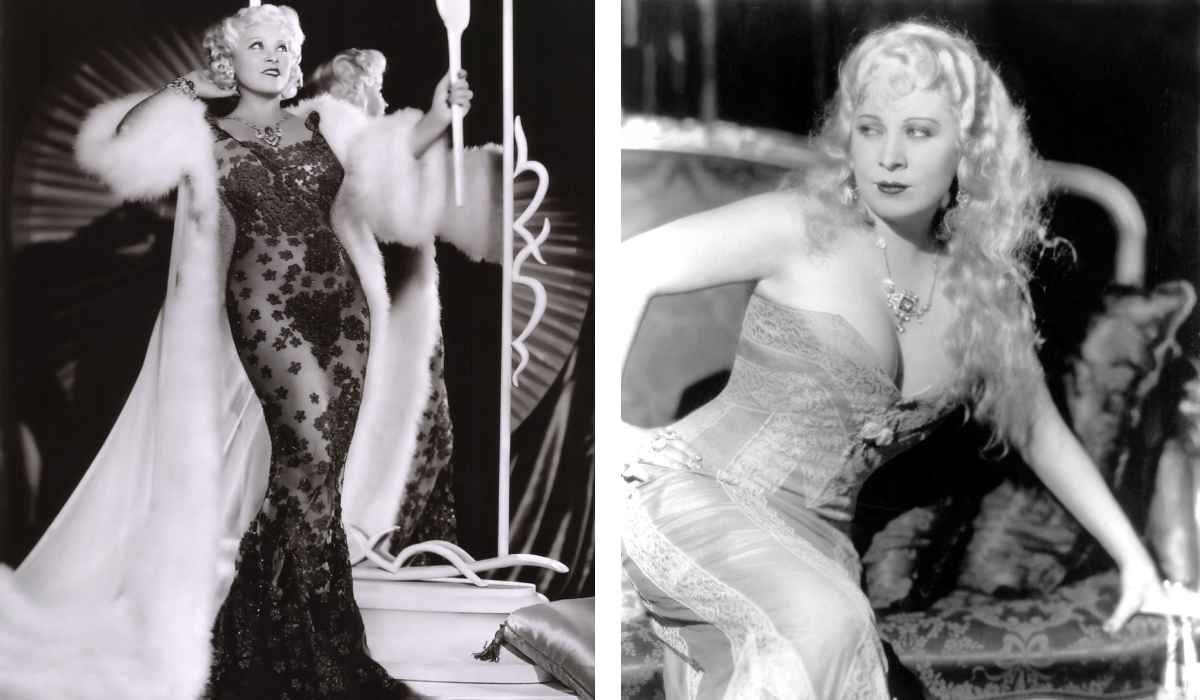
Her unmistakable visual aesthetic—characterized by platinum blonde hair, heavy makeup, figure-hugging gowns, and a slow, seductive strut—inspired generations of artists, musicians, and fashion designers. Pop icons from Madonna to Lady Gaga trace their theatrical lineage directly back to her fearless blending of glamour, camp, and social satire. She even famously appeared on the iconic cover of The Beatles’ landmark album Sgt. Pepper’s Lonely Hearts Club Band, bridging classic Hollywood history with the counterculture movement of the 1960s. Her timeless wisecracks continue to be quoted in literature, television, and everyday conversation worldwide. Mae West remains an eternal symbol of camp elegance and pop-cultural excellence whose influence transcends generations and creative mediums.
Final Film Projects and Later Years
Although her appearances on the silver screen became rare in her later years, she made memorable cinematic returns, including roles in films like Myra Breckinridge and her final self-penned picture Sextette. These later projects allowed her to indulge her love for camp comedy and theatrical self-parody surrounded by admiring younger co-stars. Even in her twilight years, she maintained her rigorous daily routines, glamorous wardrobe, and sharp intellectual wit. She lived out her final decades in Hollywood surrounded by loyal friends, long-term partners, and adoring fans. Mae West spent her entire life basking in the glow of her own legendary mythos, remaining fiercely proud of the extraordinary entertainment empire she built from scratch.
Remembering Her Passing and Eternal Legacy
When the iconic star passed away in late 1980 at the age of eighty-seven, the entertainment world mourned the loss of a true original whose career spanned over seven remarkable decades. Tributes poured in from around the globe, celebrating her monumental contributions to theater, film, and comedy. Her remains were laid to rest in Brooklyn, bringing her extraordinary life journey full circle back to the city where it all began. Museums, film societies, and retrospectives continue to honor her extraordinary artistic output and cultural fearlessness. Mae West achieved true immortality through her trailblazing body of work, ensuring that her sparkling spirit and sharp wisdom will inspire generations of future performers forever.
Honors, Rankings, and Posthumous Recognition
Decades after her passing, her monumental contributions to cinema continue to be officially recognized by prestigious cultural institutions and film academies worldwide. The American Film Institute ranked her among the greatest female screen legends of classic American cinema, cementing her elite historical status. Documentaries, biographies, and academic studies regularly examine her profound impact on censorship laws, feminist performance art, and comedic writing. Her immortal movie quotes frequently top lists of the greatest lines in cinematic history. Mae West remains universally celebrated as an peerless pioneer who conquered stage, screen, and society with unmatched brilliance, supreme confidence, and eternal comedic style.
Summarizing a Life of Unrivaled Brilliance
Reviewing her incredible seven-decade journey reveals a visionary artist who persistently refused to play by anyone’s rules but her own. From her gritty vaudeville beginnings in Brooklyn to her reigning years as Hollywood’s highest-paid box-office superstar, she commanded every room she entered with unstoppable grace. She turned legal controversies into golden opportunities and transformed personal charm into an immortal cultural institution. Her legacy is woven into the very fabric of modern entertainment history. Mae West stands eternally as an inspiring icon of female empowerment, creative independence, and sparkling cinematic joy.
Reflecting on Her Timeless Cultural Resonance
The enduring fascination with her life and career proves that true charisma, intelligence, and originality never fade with the passage of time. Modern entertainers continually look to her fearless approach to self-invention as the ultimate blueprint for navigating fame and artistic control. She taught the world that laughter and confidence are the most powerful weapons against societal hypocrisy and artistic repression. Her sparkling legacy lives on through every witty wisecrack and independent spirit in entertainment. Mae West will forever occupy a cherished, glittering place in the hearts of film lovers and cultural historians worldwide.
Conclusion and Final Thoughts on an Icon
Concluding any exploration of this legendary performer highlights the sheer magnitude of her contributions to global culture, comedy, and cinema. She broke barriers, shocked polite society, and entertained millions with a mischievous wink and a brilliantly delivered punchline. Her journey from a ambitious Brooklyn girl to an immortal Hollywood icon remains one of the most inspiring success stories in entertainment history. To explore more about her incredible cinematic history, legacy, and cultural impact, you can read the comprehensive FRIENDLY overview.
FAQs
- Who was Mae West?
- She was an iconic American actress, playwright, and screenwriter famous for her wit and sex symbol status.
- What was her most famous play?
- Her 1926 Broadway play titled Sex brought her immense national notoriety and theatrical success.
- Which movie saved Paramount Studios?
- Her smash hit 1933 film She Done Him Wrong famously rescued the studio from severe financial ruin.
- Why were WWII life jackets named after her?
- Allied soldiers affectionately called inflatable life vests “Mae Wests” in honor of her famous hourglass figure.
- When did she pass away?
- She passed away on November 22, 1980, at the age of eighty-seven in Los Angeles.