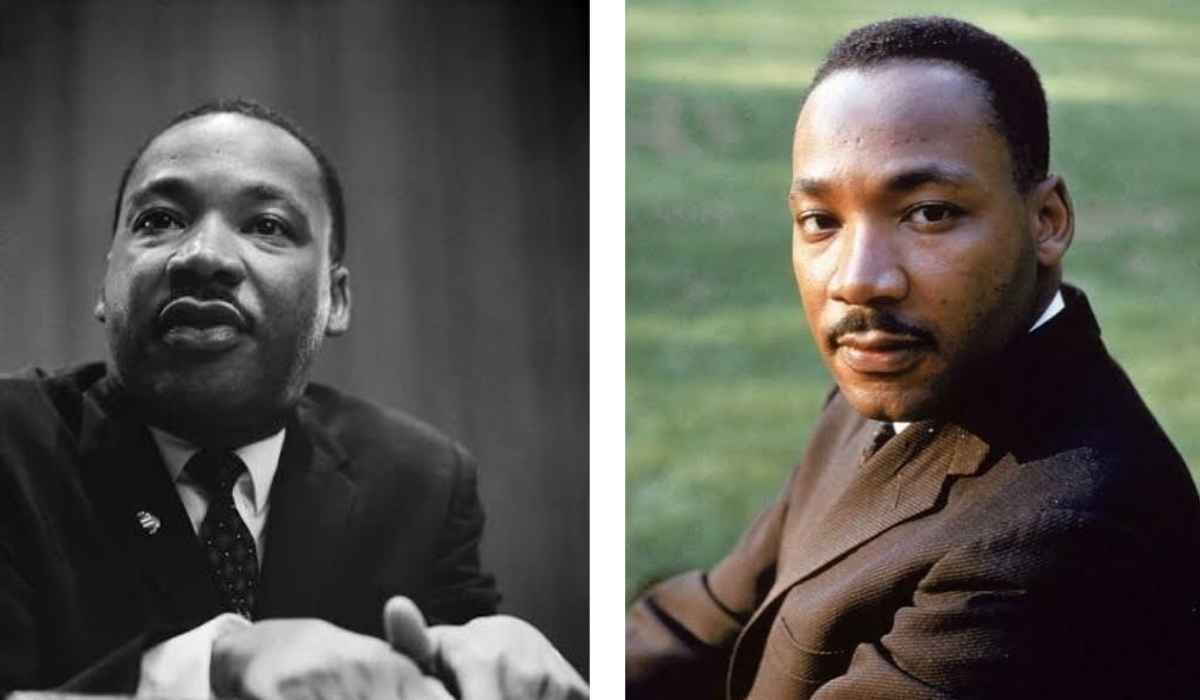
The historical tapestry of the American civil rights movement remains incomplete without deeply examining the profound contributions made by its most prominent leader. Through a steadfast commitment to nonviolent activism, social justice, and equality, Martin Luther King transformed the sociopolitical landscape of a deeply divided nation. His exceptional oratorical skills and visionary leadership inspired millions to stand against systemic oppression and demand fundamental human rights. Despite facing immense personal danger, he consistently advocated for peaceful resistance, leaving an Martin Luther King indelible mark on history. This comprehensive exploration delves into the remarkable life, enduring legacy, and monumental Martin Luther King achievements of this extraordinary global icon.
Quick Bio
| Attribute | Detail |
| Birth Name | Michael King Jr. |
| Known As | Martin Luther King Jr. |
| Date of Birth | January 15, 1929 |
| Place of Birth | Atlanta, Georgia, United States |
| Date of Death | April 4, 1968 |
| Place of Death | Memphis, Tennessee, United States |
| Spouse | Coretta Scott King |
| Education | Morehouse College, Crozer Theological Seminary, Boston University |
| Occupation | Minister, Civil Rights Activist, Author |
| Key Organizations | Southern Christian Leadership Conference (SCLC) |
| Notable Awards | Nobel Peace Prize (1964), Presidential Medal of Freedom (1977) |
| Major Movements | Montgomery Bus Boycott, March on Washington, Selma Marches |
| Core Philosophy | Nonviolent civil disobedience inspired by Christian beliefs and Gandhi |
| Most Famous Speech | “I Have a Dream” (Delivered August 28, 1963) |
| Burial Site | Martin Luther King Jr. National Historical Park, Atlanta |
Early Life and Formative Years
Born into a family deeply rooted in pastoral ministry, the early environment surrounding the young leader was steeped in faith and community service. Growing up in Atlanta, Georgia, he witnessed firsthand the harsh realities of racial segregation that defined the American South during that era. These early experiences profoundly shaped his worldview, instilling a deep sense of justice and an unwavering desire to challenge discriminatory practices. By observing his father’s bold leadership within the local church, Martin Luther King developed a strong moral foundation that would ultimately guide his future endeavors in the relentless pursuit of true universal civil equality.
Educational Journey and Theological Studies
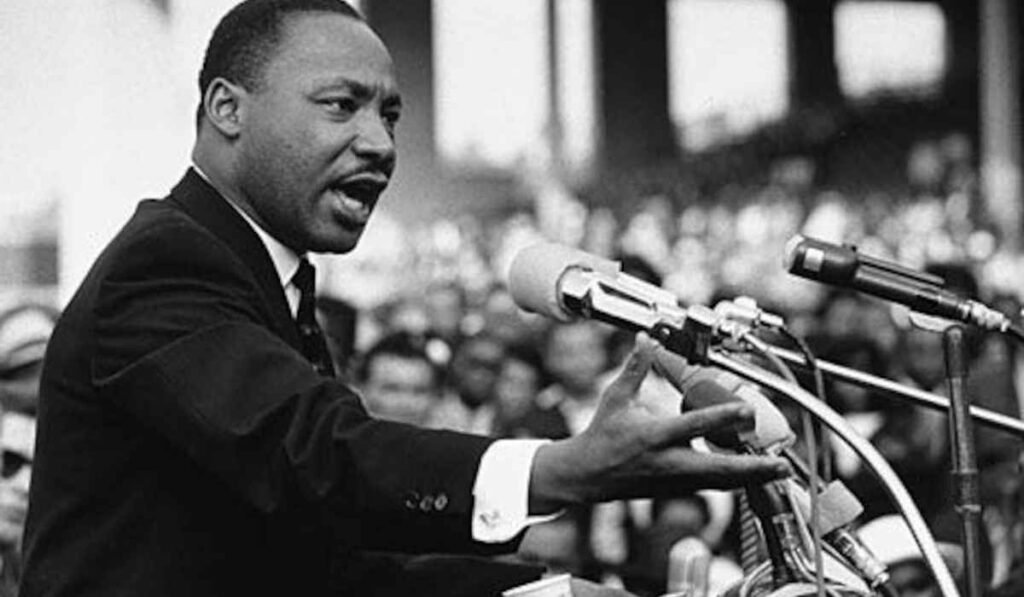
Pursuing higher education became a pivotal phase, allowing for deep intellectual and spiritual growth. Attending Morehouse College provided a rigorous academic environment where early philosophical ideas began taking root. Following this, studies at Crozer Theological Seminary introduced profound theological concepts that seamlessly merged with emerging social consciousness. It was during these transformative academic years that Martin Luther King began synthesizing Christian doctrines with the nonviolent resistance teachings of Mahatma Gandhi. This unique intellectual synthesis eventually culminated in a doctorate from Boston University, providing the rigorous academic and moral framework necessary to challenge institutionalized racism across the deeply segregated American nation.
The Montgomery Bus Boycott
The arrest of Rosa Parks in nineteen fifty-five ignited a massive community response that required strong, unwavering leadership. Thrust into the spotlight, the young pastor coordinated a citywide boycott of the public transportation system, demonstrating the immense economic power of unified peaceful protest. Despite severe intimidation, bombings, and legal harassment, the black community maintained their highly disciplined boycott for over a year. The successful desegregation of Montgomery buses catapulted Martin Luther King into the national consciousness as the premier voice for civil rights. This seminal victory proved that organized nonviolent resistance could effectively dismantle deeply entrenched systems of racial segregation completely.
Formation of the Southern Christian Leadership Conference
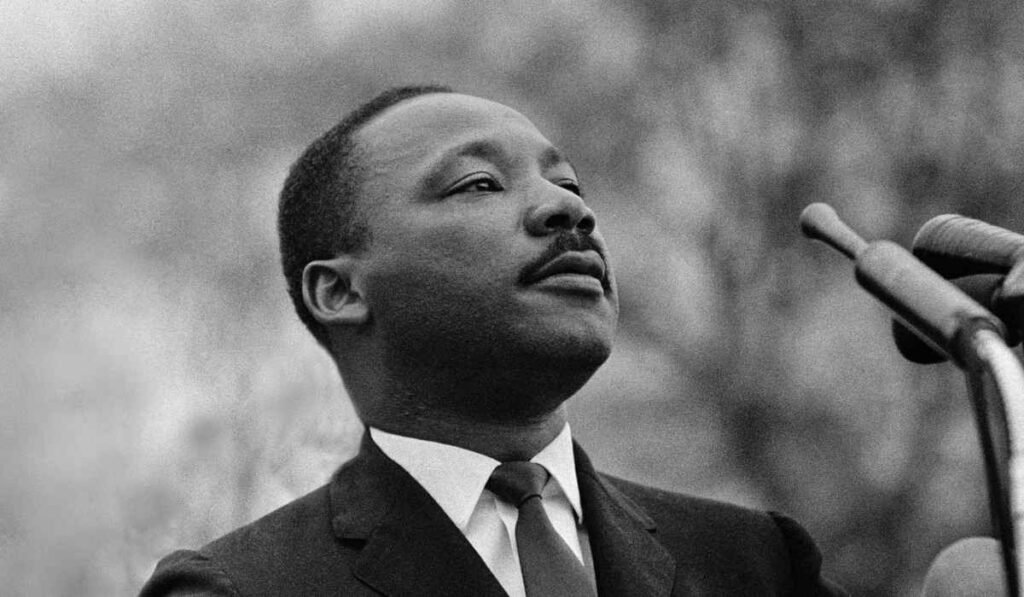
Recognizing the urgent need to harness the momentum generated in Montgomery, a coalition of civil rights activists and black ministers established a new regional organization. The Southern Christian Leadership Conference was designed to coordinate local protest groups throughout the South and amplify their collective voices. Serving as its first president, Martin Luther King utilized this powerful platform to launch expansive campaigns against discriminatory laws and voter suppression tactics. The organization effectively mobilized grassroots activists, trained them in the precise tactics of peaceful disobedience, and strategically confronted systemic racism, thereby shifting the entire trajectory of the modern American civil rights movement.
The Philosophy of Nonviolent Resistance
At the absolute core of this transformative social movement was an uncompromising dedication to the principles of peaceful confrontation. Rejecting armed rebellion, the strategy focused on exposing the brutal reality of racial injustice through dignified suffering and moral clarity. This philosophy demanded immense personal courage, requiring activists to endure physical violence without ever retaliating in kind. The powerful moral contrast presented by Martin Luther King and his dedicated followers successfully awakened the conscience of the broader public. By absorbing violence rather than inflicting it, the movement highlighted the inherent cruelty of segregation and compelled the federal government to enact protective legislation.
The Albany Movement Struggles
Not every early campaign resulted in immediate or sweeping victories, providing crucial tactical lessons for the growing movement. In Albany, Georgia, activists faced a highly sophisticated opposition from local law enforcement who carefully avoided public displays of violence while mass-arresting peaceful protesters. This strategic maneuver successfully diffused the immediate tension and prevented the federal intervention that activists desperately sought. Although the local desegregation goals were not fully achieved, Martin Luther King utilized the experience to critically refine future protest strategies. The temporary setback taught the leadership the vital importance of targeting specific, highly visible injustices to effectively provoke widespread national outrage.
The Birmingham Campaign and Letter from Jail
Targeting one of the most violently segregated cities in America became a defining moment for the entire civil rights struggle. Activists intentionally confronted the oppressive local government through highly publicized sit-ins, economic boycotts, and massive peaceful marches. When subsequently arrested for participating in these demonstrations, Martin Luther King penned a deeply profound defense of civil disobedience from his prison cell. This historical document masterfully articulated the absolute moral imperative to actively oppose unjust laws. The shocking televised images of police dogs and fire hoses attacking defenseless demonstrators eventually broke the city’s resistance and horrified sympathetic audiences across the entire globe.
The March on Washington for Jobs and Freedom
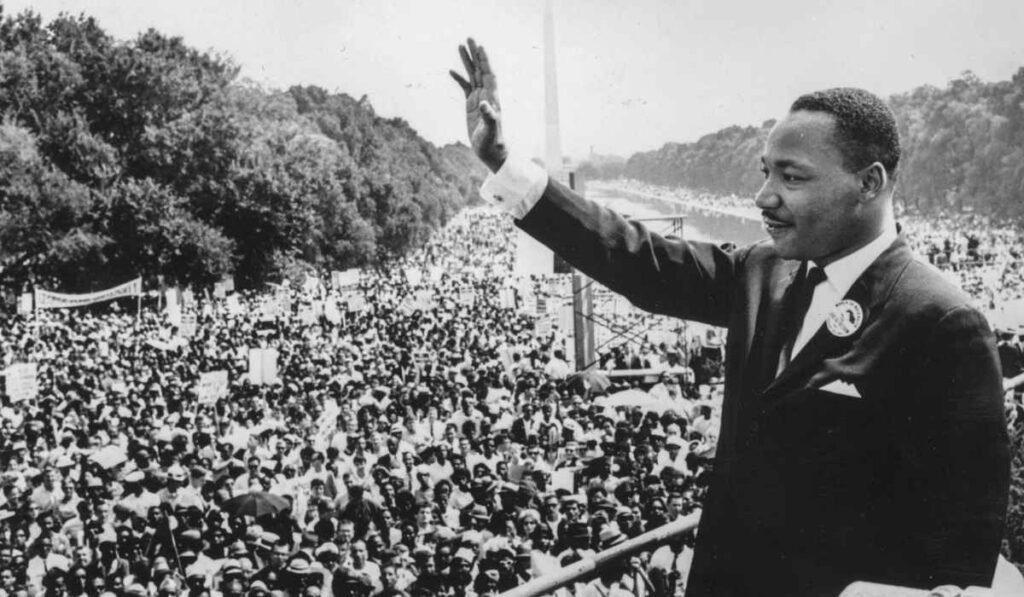
In the late summer of nineteen sixty-three, hundreds of thousands of diverse citizens gathered peacefully in the nation’s capital to demand immediate economic and social justice. This meticulously organized demonstration represented an unprecedented display of unified public support for comprehensive civil rights legislation. Standing on the steps of the Lincoln Memorial, Martin Luther King delivered a transcendent oration that powerfully articulated the ultimate vision of a fully integrated society. His soaring rhetoric painted a vivid picture of a future where character superseded skin color, permanently cementing the event as a monumental triumph in the ongoing struggle for true American equality.
The Nobel Peace Prize Recognition
International recognition of the movement’s profound moral significance arrived in the form of the world’s most prestigious humanitarian award. At just thirty-five years old, the movement’s most visible leader became the youngest recipient of this distinguished global honor. The award committee explicitly praised his unwavering commitment to achieving vital social change exclusively through nonviolent mechanisms. In his deeply moving acceptance speech, Martin Luther King generously dedicated the prize to the countless anonymous individuals actively fighting for human dignity worldwide. This monumental international validation significantly amplified his global influence and provided critical protection against aggressive domestic surveillance and relentless political harassment.
The Selma to Montgomery Marches
The critical battle for unhindered voting rights reached a dramatic climax in a small, deeply resistant Alabama town. Activists organized a massive fifty-mile march to the state capital to forcefully protest systemic voter registration discrimination. The horrific violence unleashed by state troopers against peaceful marchers on the Edmund Pettus Bridge shocked the international community and prompted immediate federal intervention. Leading the successful subsequent march under federal protection, Martin Luther King helped galvanize sufficient political pressure to secure the rapid passage of the Voting Rights Act. This sweeping legislative victory finally dismantled the complex legal barriers preventing African Americans from voting safely.
Expansion of the Civil Rights Movement to the North
Recognizing that racial injustice was not merely a regional issue, the movement strategically expanded its focus to northern metropolitan areas. The Chicago Freedom Movement sought to address deeply entrenched systemic issues such as severely segregated housing, unequal educational opportunities, and widespread discriminatory employment practices. Encountering vicious resistance from white northern residents, the campaign exposed the hidden realities of de facto segregation outside the South. While the concrete legislative results were somewhat less definitive than previous southern campaigns, Martin Luther King successfully highlighted the urgent need to combat structural economic inequalities that disproportionately affected marginalized urban communities across the entire country.
Opposition to the Vietnam War
As the destructive international conflict escalated heavily, a bold decision was made to publicly condemn the devastating military intervention. This deeply controversial stance alienated numerous political allies and drew fierce criticism from both mainstream media outlets and established civil rights organizations. Despite severe public backlash, Martin Luther King courageously argued that the massive financial resources being diverted to warfare were actively destroying domestic anti-poverty programs. He masterfully connected the struggles for civil rights, economic justice, and international peace into one comprehensive moral framework. This visionary anti-war advocacy demonstrated an uncompromising commitment to universal human rights, transcending strictly domestic racial issues completely.
The Poor Peoples Campaign
Shifting focus toward fundamental economic equality, an ambitious initiative was organized to drastically alleviate severe poverty across all racial demographics. The visionary plan involved bringing thousands of economically disadvantaged citizens to the nation’s capital to demand comprehensive federal funding for housing, guaranteed employment, and adequate healthcare. By uniting marginalized communities regardless of their specific ethnic backgrounds, Martin Luther King aimed to confront the deeply rooted structural economic imbalances plaguing the nation. Although his tragic passing occurred before the campaign could fully materialize, this final initiative profoundly illustrated his incredibly expansive, radical vision for achieving a truly just, equitable, and compassionate society.
The Assassination in Memphis
While traveling to violently support striking sanitation workers demanding fair wages and safer working conditions, absolute tragedy struck unexpectedly. Standing on the balcony of the Lorraine Motel in early April nineteen sixty-eight, the visionary leader was fatally shot by a cowardly assassin. The sudden, brutal murder of Martin Luther King sent immediate shockwaves of immense grief and intense anger across the deeply fractured nation. Devastating riots instantly erupted in over one hundred American cities as utterly heartbroken communities violently expressed their immense sorrow. This horrific assassination abruptly silenced the most powerful, unifying voice of the modern global human rights struggle forever.
Immediate Aftermath and National Mourning
The days immediately following the tragic assassination were marked by unprecedented national mourning and intense sociopolitical turmoil across America. Prominent political figures, celebrities, and millions of ordinary citizens completely struggled to instantly process the immense magnitude of the devastating loss. A massive funeral procession in his hometown drew enormous crowds, serving as a powerful public testament to his extraordinary national impact. The sudden absence of Martin Luther King created a massive leadership vacuum within the rapidly fragmenting civil rights movement. Despite the overwhelming despair, dedicated activists bravely resolved to forcefully continue fighting for the vital legislative reforms he originally championed.
Establishment of a National Holiday
The rigorous political struggle to officially recognize the fallen leader’s immense contributions required over a decade of relentless dedicated advocacy. Prominent musicians, dedicated civil rights veterans, and sympathetic politicians tirelessly lobbied the federal government to establish a designated day of national remembrance. Finally, legislation was successfully passed to officially designate the third Monday of January as a permanent federal holiday. This annual observance ensures that Martin Luther King remains a highly visible, celebrated figure within the American historical narrative continuously. The holiday deliberately encourages widespread community service, properly reflecting his deeply held fundamental belief in actively helping marginalized communities consistently.
Posthumous Honors and Presidential Medal of Freedom
Long after his tragic demise, the nation continued to formally recognize his unparalleled contributions to American society and democracy. He was posthumously awarded the incredibly prestigious Presidential Medal of Freedom, the absolute highest civilian honor bestowed by the United States government. Additionally, the Congressional Gold Medal was later presented to honor his immense, enduring impact on universal civil rights. These highly significant formal accolades ensure that Martin Luther King occupies a permanent, highly revered position within the established pantheon of great American heroes. The continuous recognition properly validates his incredible lifelong sacrifice for the ultimate betterment of all humanity globally.
Global Influence on Human Rights Movements
The incredibly powerful philosophy of nonviolent resistance quickly transcended American borders to deeply inspire numerous international liberation struggles simultaneously. Activists fighting against oppressive apartheid in South Africa extensively utilized the specific protest methodologies previously developed during the American civil rights movement. Similarly, pro-democracy advocates in various authoritarian regimes heavily drew immense inspiration from his highly effective, peaceful confrontation strategies worldwide. The universally applicable teachings of Martin Luther King proved that systematic moral pressure could successfully dismantle deeply entrenched, heavily militarized systems of oppression. His incredible global legacy continues to actively motivate contemporary human rights defenders fighting for vital democratic freedoms today.
Representation in Modern Literature and Film
The incredibly dramatic narrative of the civil rights struggle has been extensively documented and heavily dramatized across numerous media platforms. Critically acclaimed biographical films, comprehensive historical documentaries, and extensively researched academic literature continuously explore the complex nuances of his remarkable life. These artistic and academic representations critically ensure that successive younger generations fully understand the immense personal sacrifices required to achieve social progress. By thoroughly analyzing the strategic brilliance of Martin Luther King, modern creators vividly keep the intense memory of the civil rights era alive. This extensive ongoing cultural representation permanently cements his iconic status within modern global popular history.
Continuing Relevance in Contemporary Society
Despite the passage of several decades, the fundamental societal issues addressed during the civil rights era remain intensely relevant today. Ongoing modern struggles against systemic racism, widespread voter suppression, and severe economic inequality violently highlight the highly unfinished nature of his original mission. Modern social justice activists continuously study his highly successful organizational tactics and deeply profound moral philosophies to guide their current efforts. The enduring, incredibly powerful words of Martin Luther King still resonate deeply during contemporary protests demanding ultimate police accountability and vital institutional reform. His brilliant visionary framework remains an absolutely indispensable, powerful guide for achieving lasting societal transformation.
FAQs
- What was the main philosophy driving his activism?
- He strictly advocated for nonviolent civil disobedience to combat systemic racial injustice and inequality.
- Which famous speech did he deliver at the March on Washington?
- He delivered the iconic “I Have a Dream” speech on August 28, 1963.
- What major international award did he receive in 1964?
- He received the Nobel Peace Prize for his commitment to nonviolent resistance against racial prejudice.
- What organization did he help found to coordinate civil rights protests?
- He was the first president of the Southern Christian Leadership Conference (SCLC).
- Where was he tragically assassinated in 1968?
- He was assassinated on the balcony of the Lorraine Motel in Memphis, Tennessee.