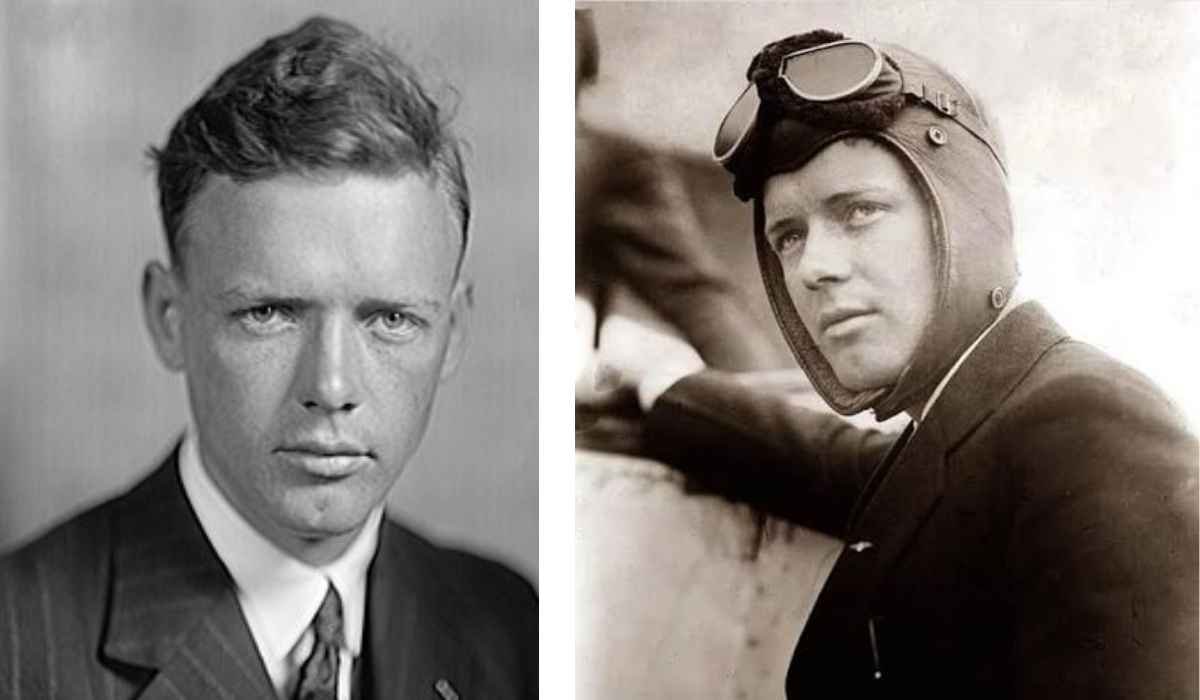
The remarkable life of Charles Lindbergh began in Detroit, Michigan, where an aspiring young aviation pioneer first developed his lifelong passion for mechanics, engineering, and daring flight adventures across the globe. Growing up with an inquisitive mind, Charles Lindbergh showed early mechanical aptitude before eventually dropping out of college to pursue barnstorming and stunt flying. His relentless ambition ultimately drove him to enlist in the military, laying down the essential groundwork for a legendary career that would permanently alter modern global transportation, inspire millions of future aviators, and capture the collective imagination of the entire world during a transformative twentieth century.
Quick Bio
| Metric | Details |
| Full Name | Charles Augustus Lindbergh |
| Born | February 4, 1902 (Detroit, Michigan) |
| Died | August 26, 1974 (Maui, Hawaii) |
| Spouse | Anne Morrow Lindbergh |
| Famous Aircraft | Spirit of St. Louis |
| Key Achievement | First solo nonstop transatlantic flight |
Early Childhood and Family Background in the Midwest
Growing up across multiple states allowed young Charles Lindbergh to cultivate a deep sense of self-reliance, independence, and an intense fascination with mechanical contraptions like automobiles and motorcycles. His father served as a principled U.S. Congressman, instilling strong values of political independence and skepticism toward foreign entanglements that would deeply influence Charles Lindbergh later in life. Although formal schooling held little immediate appeal for him compared to practical mechanics, Charles Lindbergh absorbed technical knowledge organically through hands-on farm work, laying a solid foundation for his later engineering pursuits.
Transitioning From University Studies to Daredevil Aviation
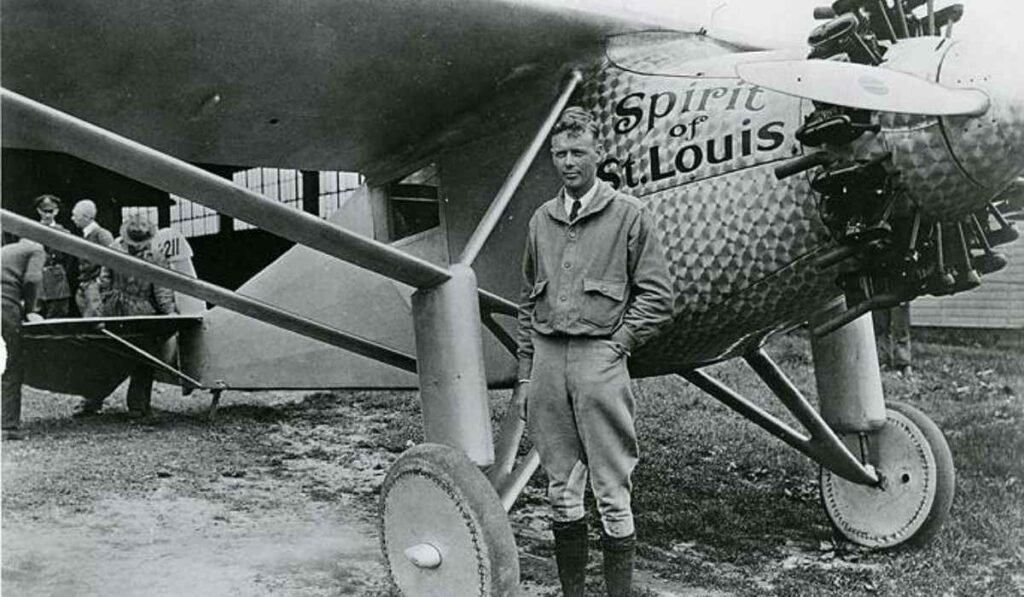
Leaving behind his engineering coursework at the University of Wisconsin marked a pivotal turning point when Charles Lindbergh chose to immerse himself fully in the thrilling, dangerous world of early flight. Moving to Nebraska enabled Charles Lindbergh to enroll in formal flight training, experience his very first ride in an airplane, and purchase a surplus training biplane. Operating as a freelance barnstormer exposed Charles Lindbergh to extreme aerial risks, teaching him invaluable survival instincts, navigational intuition, and mechanical troubleshooting skills essential for long-distance flying success.
Enlisting in the Army Air Service for Advanced Training
Seeking structured discipline and professional flight credentials, Charles Lindbergh successfully enlisted as a cadet in the United States Army Air Service training program. Rising rapidly to the top of his class through sheer dedication, Charles Lindbergh graduated with elite pilot ratings that cemented his reputation as a cool-headed aviator. This rigorous military background equipped Charles Lindbergh with the precise instrument navigation techniques, meteorological awareness, and night-flying capabilities required to attempt unprecedented aviation feats safely.
Mastering the Skies as a Dedicated Air Mail Pilot
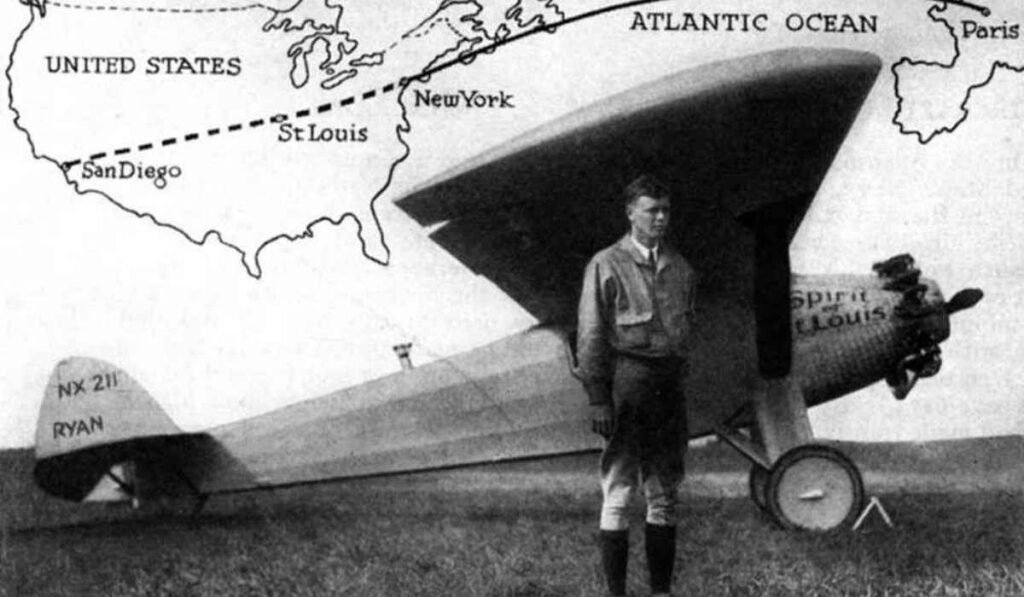
Taking on hazardous postal routes across the Midwest provided Charles Lindbergh with daily opportunities to test his endurance against severe weather patterns and unpredictable mechanical failures. Flying under strict schedules meant that Charles Lindbergh earned widespread respect among peers for his unwavering commitment to completing postal deliveries regardless of atmospheric conditions. These intense years serving as a commercial mail carrier transformed Charles Lindbergh from a reckless daredevil into a calculating, deeply analytical professional aviator prepared for global history.
Conceptualizing the Historic Transatlantic Flight to Paris
Inspired by lucrative prize incentives offered for connecting North America directly with Europe, visionary planner Charles Lindbergh began conceptualizing a daring nonstop oceanic voyage. Securing financial backing from trusting businessmen in Missouri required Charles Lindbergh to pitch an ambitious blueprint involving a specially customized single-engine monoplane built to maximize fuel efficiency. Through meticulous preparation and absolute confidence, Charles Lindbergh set out to conquer a hazardous maritime route that had previously claimed the lives of numerous competing pilots.
Designing the Legendary Spirit of St Louis Monoplane
Working closely with specialized aircraft engineers in California, meticulous builder Charles Lindbergh personally helped design the legendary monoplane christened the Spirit of St. Louis. To maximize fuel capacity while maintaining structural balance, innovative thinker Charles Lindbergh famously opted to eliminate standard forward-facing windows and install an ingenious periscope system instead. Every ounce of weight added or removed was carefully calculated by Charles Lindbergh to ensure the aircraft could survive over thirty hours above freezing ocean waters.
Embarking From Roosevelt Field Into Global Immortality
Lined up on a muddy, rain-soaked runway at Roosevelt Field on Long Island, focused pilot Charles Lindbergh prepared his heavy aircraft for an exhausting, perilous journey eastward. Battling intense fatigue, icing conditions, and heavy sleep deprivation, enduring pioneer Charles Lindbergh guided his faithful machine across thousands of miles of open ocean water. The triumphant arrival of Charles Lindbergh at Le Bourget Field near Paris triggered an unprecedented wave of worldwide global celebration and instant international acclaim.
Navigating the Whirlwind of Instant International Celebrity
Returning home to a massive ticker-tape parade in New York City, overwhelmed global icon Charles Lindbergh suddenly found himself confronting millions of adoring fans. Governments worldwide showered prestigious military honors and civilian medals upon Charles Lindbergh in recognition of his monumental solo achievement. Despite enjoying universal adulation, introverted hero Charles Lindbergh frequently struggled with the overwhelming media intrusion and public frenzy surrounding his daily personal activities.
Partnering With Anne Morrow in Global Aviation Expansion
Meeting gifted writer Anne Morrow during a diplomatic visit to Latin America led to a deeply collaborative marriage that forever transformed the career of Charles Lindbergh. Operating as an exceptional co-pilot and navigator, Anne frequently accompanied Charles Lindbergh on groundbreaking international survey flights to map out future commercial airline routes. Together, influential ambassador Charles Lindbergh and his spouse actively helped establish global aviation networks for major carriers like Pan American World Airways.
Advancing Medical Science Through Perfusion Pump Innovations
Expanding his brilliant mechanical intellect beyond aeronautics, scientific researcher Charles Lindbergh collaborated with Nobel-winning surgeon Alexis Carrel to invent a revolutionary early perfusion pump. This vital medical device engineered by Charles Lindbergh successfully kept organs alive outside the human body, paving the way for modern open-heart surgery and organ transplant procedures. The scientific contributions made by Charles Lindbergh in medical technology demonstrated an extraordinary capacity for complex problem-solving across entirely separate scientific disciplines.
Experiencing Unimaginable Personal Tragedy and Media Hounds
Facing the darkest period of any parent’s worst nightmare, grieving father Charles Lindbergh suffered through the infamous kidnapping and tragic murder of his toddler son. Dubbed the crime of the century, this horrific media circus drove desperate investigator Charles Lindbergh and his family into temporary exile overseas to escape relentless press harassment. The high-profile investigation involving Charles Lindbergh ultimately led Congress to pass federal kidnapping legislation known widely as the Lindbergh Law.
Advocating for Neutrality Through the America First Movement
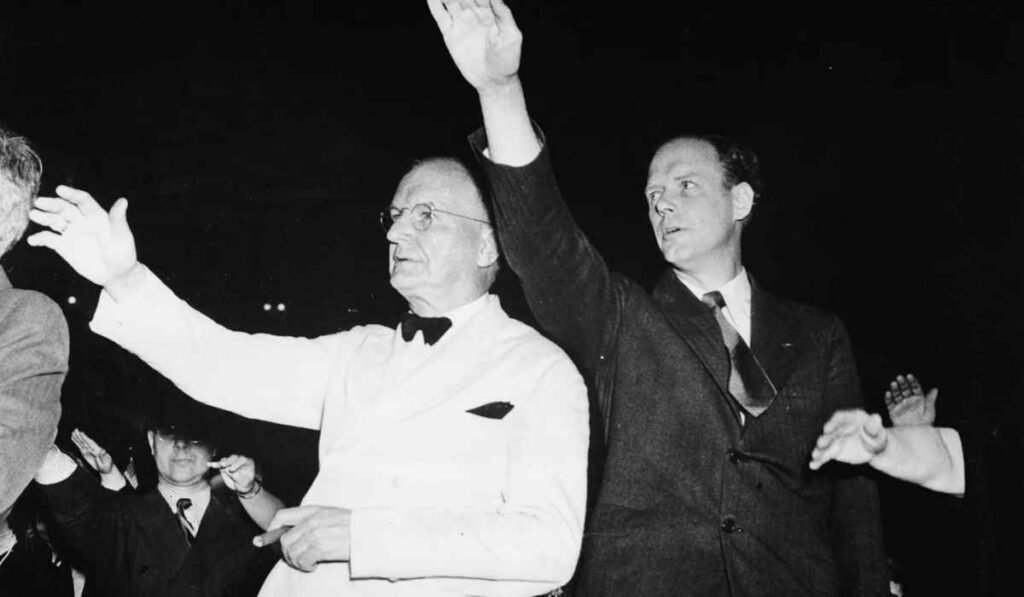
Entering the turbulent geopolitical landscape preceding World War II, outspoken isolationist Charles Lindbergh became the prominent national voice of the America First Committee. Believing strongly that America should stay out of foreign European conflicts, controversial public speaker Charles Lindbergh drew intense criticism and accusations of political sympathy toward foreign regimes. The fierce public debates surrounding political stances taken by Charles Lindbergh temporarily tarnished his spotless heroic reputation among many American citizens.
Supporting the Allied War Effort in the Pacific Theater
Following the sudden attack on Pearl Harbor, loyal patriot Charles Lindbergh immediately set aside past political disagreements to offer unconditional support to the United States military. Although denied active military command due to previous political controversies, dedicated civilian consultant Charles Lindbergh traveled directly to the Pacific combat zones to test aircraft performance. During his time overseas, brave observer Charles Lindbergh flew numerous unauthorized combat missions and provided crucial technical advice to combat pilots.
Transforming Into a Passionate Global Environmental Conservationist
Witnessing industrial encroachment destroying natural habitats during his flights prompted older statesman Charles Lindbergh to transition into a passionate ecological conservation advocate. Traveling to remote regions of Africa, Asia, and the Pacific, dedicated environmentalist Charles Lindbergh fought tirelessly to protect endangered species and establish national parks. The philosophical writings of Charles Lindbergh emphasized maintaining a careful moral balance between advanced technological progress and the preservation of pristine natural ecosystems.
Authoring Pulitzer Prize-Winning Memoirs and Literary Works
Channeling his remarkable life experiences into engaging prose, accomplished writer Charles Lindbergh penned several bestselling memoirs chronicling his aviation adventures and personal philosophy. Winning a prestigious Pulitzer Prize for his autobiographical accounts allowed veteran author Charles Lindbergh to reflect deeply on the rapid modernization of society. Through these widely read books, thoughtful commentator Charles Lindbergh shared profound insights regarding human courage, technological disruption, and the spiritual value of solitude in nature.
Maintaining Complex Secret Families Alongside Public Life
Decades after his passing, startling historical revelations proved that private icon Charles Lindbergh maintained parallel secret families and relationships in Europe alongside his public marriage. These hidden dual lives managed carefully by Charles Lindbergh remained entirely concealed from public view until DNA evidence emerged decades later among his European children. This complex personal revelation added unexpected layers of psychological mystery to the complicated domestic legacy left behind by Charles Lindbergh.
Reinstatement of Military Rank by President Eisenhower
Recognizing his immense lifetime contributions to national defense and aeronautical research, President Dwight Eisenhower officially restored the military commission of Charles Lindbergh as a general. This formal governmental gesture helped heal old political wounds, cementing the status of Charles Lindbergh as a respected elder statesman of American aviation. Throughout these later years, decorated officer Charles Lindbergh continued advising major aerospace corporations on the rapid transition toward supersonic jet travel.
Spending Final Years Embracing Tranquility in Beautiful Maui
Choosing to spend his final chapters away from bustling metropolitan centers, contemplative traveler Charles Lindbergh settled down peacefully in the tranquil landscapes of Maui, Hawaii. Surrounded by natural beauty and working closely with local conservationists, wise elder Charles Lindbergh devoted his remaining energy to preserving indigenous island species and cultures. Even while facing terminal illness in his final months, peaceful resident Charles Lindbergh maintained his characteristic dignity and profound appreciation for the natural world.
Remembering the Enduring Historical Legacy of an Icon
Examining the multi-faceted history of twentieth-century exploration reveals that few figures matched the profound global impact achieved by master aviator Charles Lindbergh. From pioneering transoceanic flight routes to advancing medical technology and championing environmental preservation, legendary icon Charles Lindbergh shaped modern civilization. The complex, brilliant, and occasionally controversial journey of Charles Lindbergh continues to fascinate historians, aviation enthusiasts, and researchers worldwide.
Reflecting on Global Aviation and Environmental Impact
The remarkable historical footprint left by iconic visionary Charles Lindbergh endures as a testament to human courage, scientific innovation, and environmental stewardship. For further reading on his historic milestones, visit Charles Lindbergh on Wikipedia.
- Q1. What was the name of Charles Lindbergh’s famous airplane?
- The custom-built monoplane used for his historic flight was named the Spirit of St. Louis.
- Q2. When did Charles Lindbergh complete his solo transatlantic flight?
- He successfully completed the flight from New York to Paris on May 20–21, 1927.
- Q3. What major medical invention did he help create?
- He worked with Alexis Carrel to invent an early perfusion pump that aided heart surgery.
- Q4. What environmental causes did he support later in life?
- He advocated for the protection of endangered species and helped establish national parks.
- Q5. Where did Charles Lindbergh spend his final years?
- He spent the last years of his life living quietly in Maui, Hawaii.