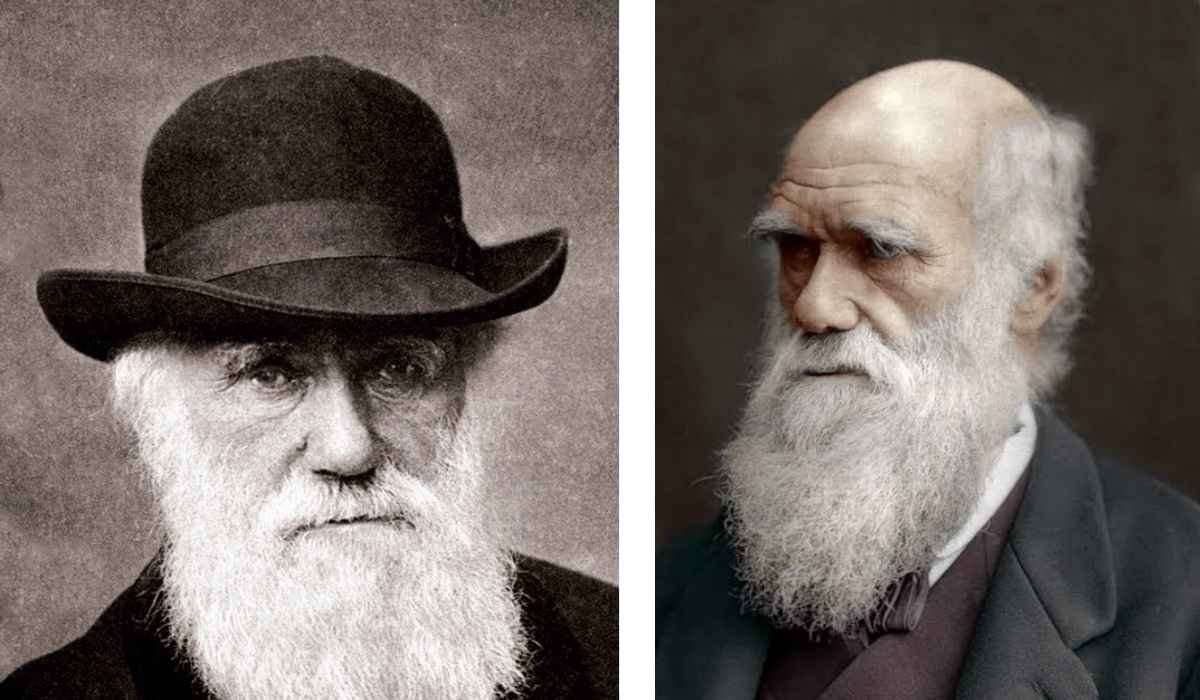
Exploring the remarkable life of Charles Darwin reveals a profound dedication to uncovering the mysteries of natural history. Born in Shropshire, England, he developed an early fascination with the natural world that would eventually reshape modern science. His intellectual curiosity drove him to question established doctrines regarding the fixity of species, setting the stage for a revolution in biological thought. Through rigorous observation and meticulous data collection, Charles laid down the fundamental principles of evolution that continue to influence scientific research today. His enduring legacy remains deeply embedded in how humanity perceives its own place within the intricate web of global biodiversity.
Quick Bio
| Attribute | Detail |
| Full Name | Charles Robert Darwin |
| Born | February 12, 1809 |
| Died | April 19, 1882 |
| Nationality | English |
| Known For | Natural selection, evolutionary theory |
| Spouse | Emma Wedgwood |
Early Childhood and Family Background
Growing up in a prosperous household, young Charles Darwin benefited from an environment that encouraged intellectual exploration. His family possessed a rich tradition of scientific inquiry and medical expertise, which subtly guided his early interests. Although formal schooling often felt rigid and uninspiring to him, his personal pursuits in collecting specimens nurtured a lifelong passion. The formative years spent in the English countryside allowed Charles to develop a keen eye for subtle ecological variations. These early experiences proved invaluable when he eventually embarked on his monumental scientific career.
University Years and Academic Pursuits
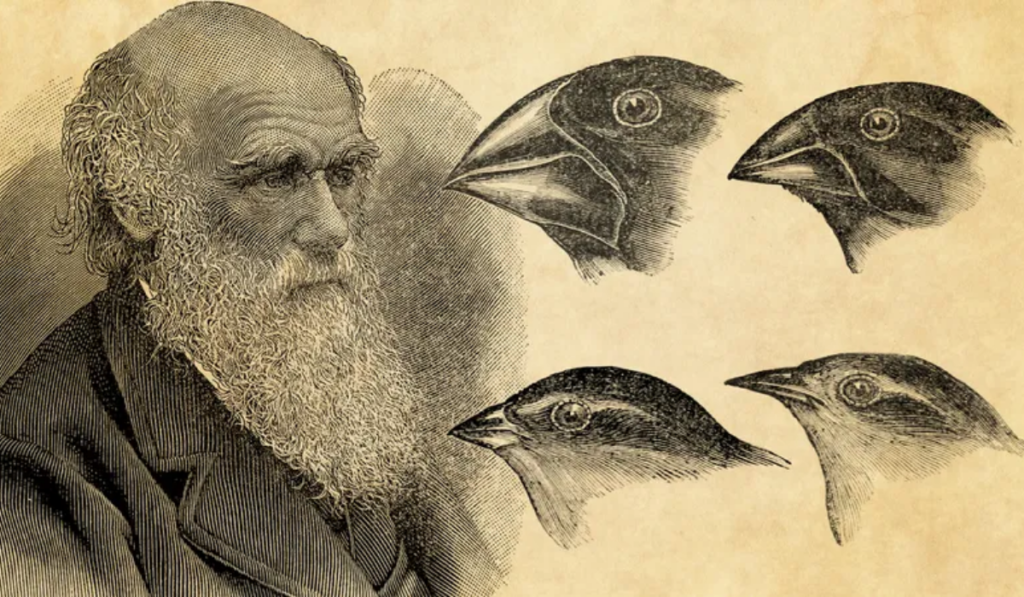
Transitioning to higher education brought mixed experiences as Charles Darwin navigated studies in both medicine and theology. Medical lectures at Edinburgh proved distressing, leading him to explore marine biology and taxidermy instead. Later at Cambridge, mentorship from prominent botanists redirected his academic focus toward geology and natural history. During these university years, Charles formed critical relationships with leading intellectuals who recognized his latent scientific potential. These interactions ultimately paved the way for the defining opportunity of his professional life.
The Fateful Voyage of the HMS Beagle
Stepping aboard the HMS Beagle marked the most critical turning point for Charles Darwin as a burgeoning naturalist. Over five grueling yet exhilarating years, the ship charted coastal waters across South America and beyond. This maritime expedition exposed Charles to unprecedented geological formations, diverse ecosystems, and unfamiliar indigenous populations. The immense volume of biological specimens he collected during this journey provided the raw material for his future theories. Every port of call offered fresh insights that challenged his understanding of species distribution.
Geological Observations and Early Theories
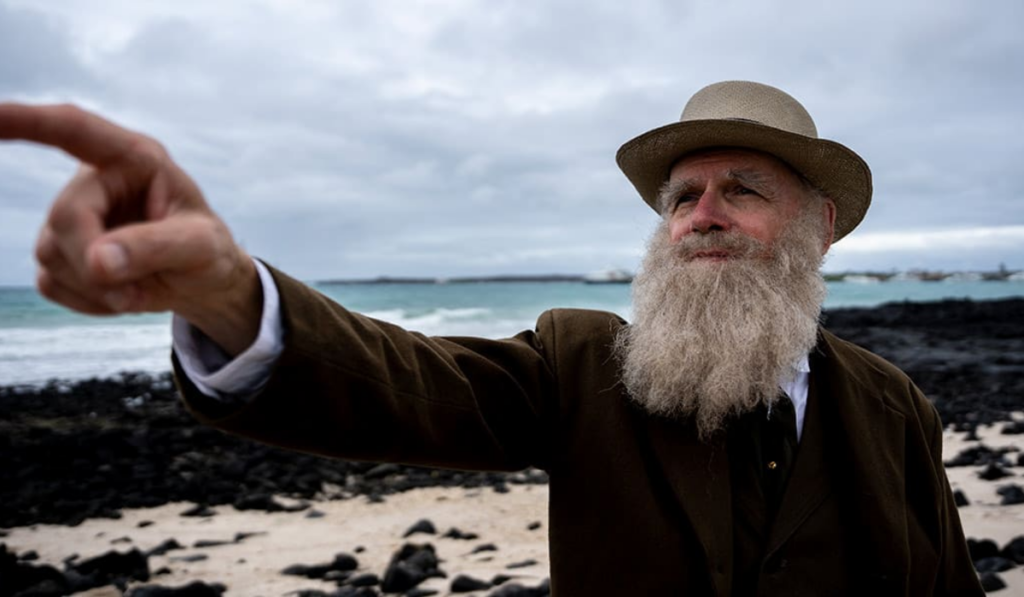
Analyzing rock strata and fossil beds enabled Charles Darwin to appreciate the immense timescales involved in planetary evolution. He observed firsthand how slow, continuous geological processes could radically alter landscapes over vast historical periods. These insights ran parallel to his biological inquiries, suggesting a dynamic and ever-changing Earth. By correlating fossilized remains with living organisms, Charles began formulating initial hypotheses regarding ancestral relationships. Geology thus served as the foundational scaffold for his subsequent biological breakthroughs.
Discoveries in the Galapagos Islands
Arriving at the isolated Galapagos archipelago provided Charles Darwin with striking evidence of localized adaptation. He noticed distinct variations among mockingbirds and tortoises inhabiting different islands within the same chain. Recognizing that these variations correlated directly with specific environmental conditions fascinated Charles immensely. These observations planted the crucial seeds for his emerging concept of descent with modification. The unique biodiversity of the islands remains eternally linked to the name of Charles today.
Developing the Theory of Natural Selection
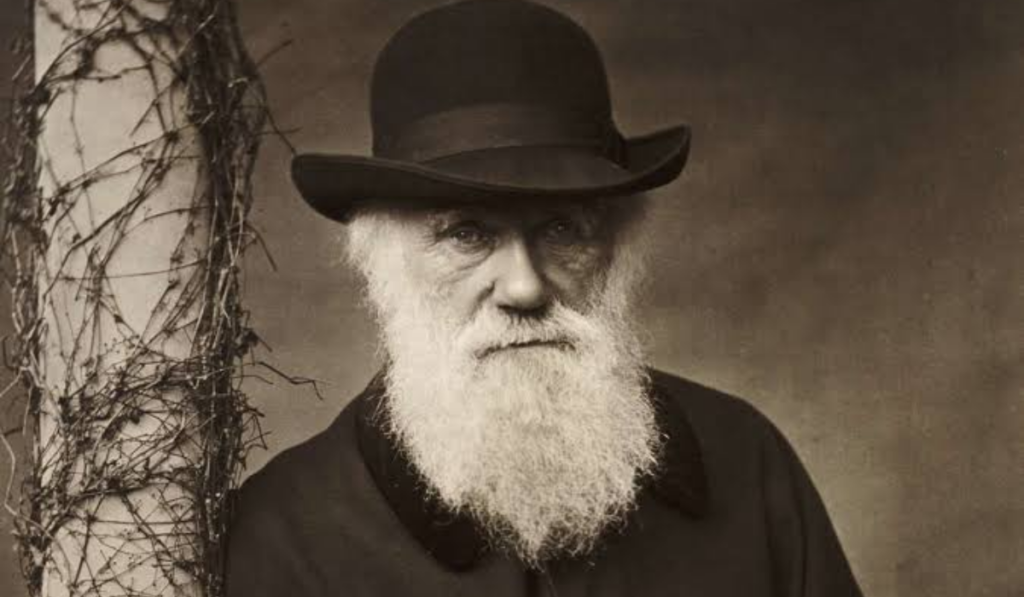
Synthesizing years of accumulated data led Charles Darwin to formulate the mechanism of natural selection. He realized that organisms possessing advantageous traits were more likely to survive and reproduce successfully. This systematic filtering process explained how complex adaptations could evolve gradually without purposeful direction. For decades, Charles refined these revolutionary ideas through exhaustive experimentation and correspondence. The sheer explanatory power of natural selection set his work apart from earlier evolutionary proposals.
Returning to England and Settling Down
Leaving the nomadic life of a sea voyager behind, Charles Darwin established a quiet domestic routine in rural Kent. Married life and the responsibilities of raising a large family provided a stable backdrop for his intense writing schedule. Despite suffering from chronic health issues, Charles maintained an astonishingly prolific output of scientific treatises. His tranquil home at Down House transformed into the nerve center of global biological research. Here, he processed incoming data from a worldwide network of scientific correspondents.
Writing and Publishing On the Origin of Species
Compelled by news of a similar theory from Alfred Russel Wallace, Charles Darwin finally expedited his main manuscript for publication. The resulting text, released in 1859, instantly captured public attention and sparked fierce academic debates. Within these pages, Charles laid out a comprehensive framework supported by extensive empirical evidence. The book fundamentally altered humanity’s perspective on nature and permanently shifted the trajectory of biological sciences.
Public Controversy and Scientific Reception
Releasing such radical ideas invited fierce pushback from traditional religious authorities and conservative intellectuals alike. Yet, champions of science rallied to defend the core principles advanced by Charles Darwin in his landmark publications. Debates raged across academic societies as scholars grappled with the implications of common descent. Through it all, Charles generally avoided direct public confrontation, preferring to let his written arguments speak for themselves. The scientific community gradually accepted evolution as the unifying principle of biology.
Subsequent Botanical and Zoological Research
Beyond evolutionary theory, Charles Darwin dedicated years to investigating specialized topics like plant tropisms and earthworm behavior. His meticulous experiments on climbing plants and insectivorous species showcased his brilliant knack for empirical observation. These later studies reinforced the core tenets of adaptation highlighted by Charles Darwin throughout his career. Every monograph published during this period demonstrated his unwavering commitment to empirical verification. Botany and zoology both gained profound new dimensions from these specialized investigations.
Investigating Human Evolution and Sexual Selection
Expanding his theoretical framework to include humankind, Charles Darwin examined the evolutionary origins of human behavior and ancestry. He proposed that sexual selection played a major role in driving physical and psychological traits across species. Exploring human origins brought fresh controversy, but Charles backed his claims with comparative anatomical data. These insights bridged the gap between animal behavior and human psychology, inspiring modern anthropological studies.
Correspondence and Collaboration with Global Scientists
Operating largely from his study, Charles Darwin maintained an immense network of letters with international naturalists and breeders. This constant exchange of specimens and critiques allowed Charles to test his hypotheses against diverse global perspectives. Collaborators supplied vital data from distant continents, enriching his comprehensive understanding of biogeography. This intellectual connectivity ensured that Charles Darwin remained at the cutting edge of global scientific discourse despite his reclusive lifestyle.
Personal Life, Marriage, and Family
Balancing intense scientific labor with deep domestic affection defined the daily existence of Charles Darwin. His marriage to Emma Wedgwood provided emotional stability and intellectual companionship that sustained him through chronic illness. Tragically, the premature death of several children brought profound grief to Charles Darwin and his grieving spouse. Family members frequently assisted with his experiments, cementing a collaborative environment within their household.
Health Struggles and Daily Routines
Plagued by a mysterious chronic illness following his voyage, Charles Darwin structured his days around strict pacing and routine. Walks along the property’s dedicated path helped Charles Darwin manage his debilitating symptoms while processing complex thoughts. This structured isolation inadvertently fostered the deep concentration required for his monumental literary output. His ability to remain productive despite continuous physical discomfort remains deeply admirable.
Honors, Accolades, and Institutional Recognition
Accumulating widespread scientific respect, Charles Darwin received numerous medals and honors from prestigious academic institutions worldwide. Societies across Europe recognized the profound paradigm shift initiated by Charles Darwin in the study of life. Although initially controversial, his contributions eventually secured him a revered place in global scientific history. These accolades reflected the irreversible impact of his revolutionary discoveries on modern thought.
Final Years and Scientific Output
Spending his twilight years surrounded by gardens and greenhouses, Charles Darwin continued writing until his final days. His enduring curiosity turned toward simpler organisms, demonstrating that no creature was too small for thorough analysis by Charles Darwin. These late-career projects underscored his lifelong philosophy that great truths emerge from patient observation. He remained actively engaged with scientific correspondence until the very end of his life.
Death and Burial in Westminster Abbey
Passing away in April 1882, Charles Darwin left behind a mourning scientific community and a transformed global intellectual landscape. In recognition of his monumental status, the nation granted Charles Darwin a prestigious burial inside Westminster Abbey. This solemn honor placed him alongside Britain’s greatest historical figures and scientific pioneers. Tributes poured in from around the world, celebrating a life dedicated to unlocking nature’s secrets.
Long-Term Impact on Modern Biology
Establishing evolution as the cornerstone of life sciences, the insights of Charles Darwin continue to guide contemporary research. Modern genetics and molecular biology have only served to validate and expand upon the framework built by Charles Darwin. Medical science, ecology, and conservation efforts all rely heavily on evolutionary principles today. The foundational legacy of his work remains as vibrant and essential as it was in the nineteenth century.
Cultural and Philosophical Legacy
Reshaping humanity’s view of itself, the paradigm introduced by Charles Darwin rippled far beyond strictly biological domains. Philosophy, literature, and social structures all absorbed the profound implications originating from Charles Darwin and his intellectual circle. By demystifying the origin of complex life forms, he fundamentally altered how humans understand existence. His name is forever synonymous with intellectual courage, curiosity, and the relentless pursuit of empirical truth.
Summary of Evolutionary Discoveries
Concluding a century of intense intellectual growth, the theories championed by Charles Darwin united disparate fields of natural science. The unifying thread of common descent championed by Charles Darwin transformed specialized observations into a coherent universal narrative. Humanity’s relationship with the natural world found permanent clarity through his rigorous scientific investigations. His life’s work stands as a timeless testament to the power of human reason and observation.
FAQs
- When was Charles Darwin born?
- Charles Darwin was born on February 12, 1809.
- What was the name of the ship he traveled on?
- He served as a naturalist aboard the HMS Beagle.
- What is Charles Darwin’s most famous book?
- His most famous work is On the Origin of Species, published in 1859.
- What core scientific theory did he discover?
- He formulated the theory of evolution by natural selection.
- Where is Charles Darwin buried?
- He is buried in Westminster Abbey in London.