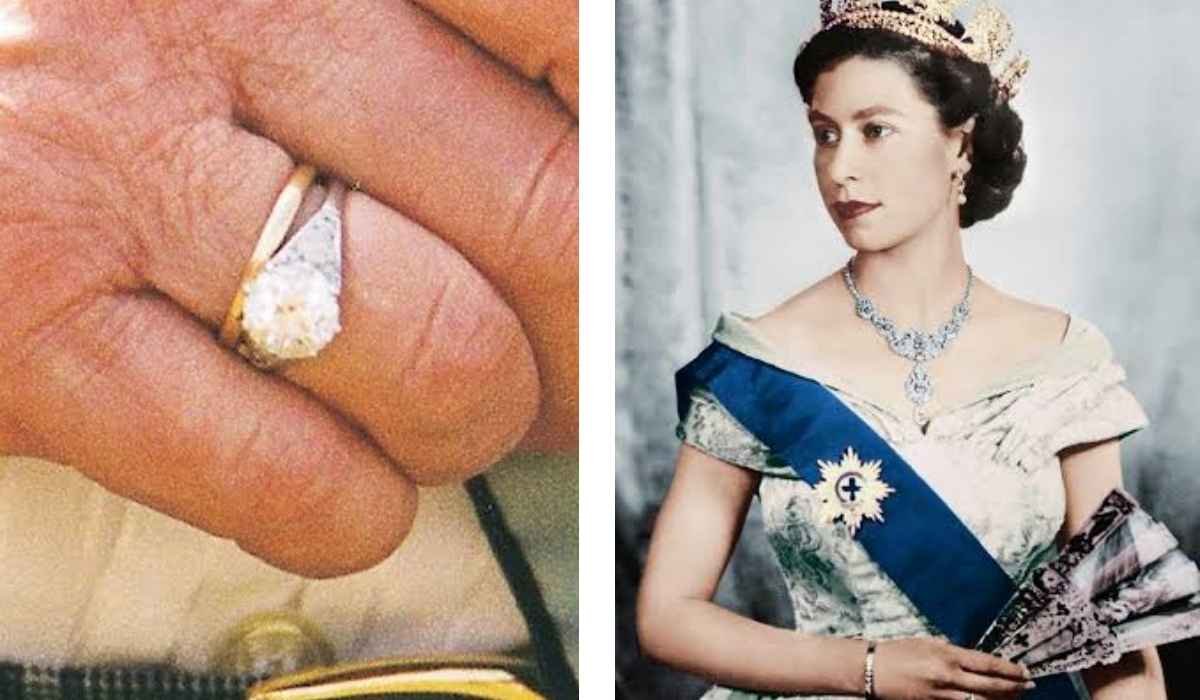
Born in the heart of London during the spring of nineteen twenty-six, Queen Elizabeth II entered a world completely unaware of the historic destiny that awaited her youth. Her early years were marked by a traditional aristocratic upbringing alongside her younger sister Margaret, far away from the heavy burdens of the crown. Although she was third in line to the throne behind her uncle and father, nobody anticipated the dramatic constitutional shifts that would eventually propel her toward becoming the sovereign. Her formative years unfolded quietly within private royal residences, shaping her disciplined character.
Quick Bio
| Attribute | Detail |
| Full Name | Elizabeth Alexandra Mary Windsor |
| Birth Date | April 21, 1926 |
| Death Date | September 8, 2022 |
| Reign Duration | 1952–2022 (70 years) |
| Spouse | Prince Philip |
Early Childhood and Family Background
Growing up as the firstborn child of the Duke and Duchess of York, Queen Elizabeth II experienced a relatively sheltered domestic environment during her early childhood. Her parents instilled strong values of public duty and personal resilience, which became foundational traits throughout her extraordinarily long and eventful life. She spent countless hours studying constitutional history, French, and literature under private tutors while residing primarily in London and Windsor. These quiet familial years abruptly ended when major dynastic changes transformed her family’s trajectory forever.
The Abdication Crisis That Changed Everything
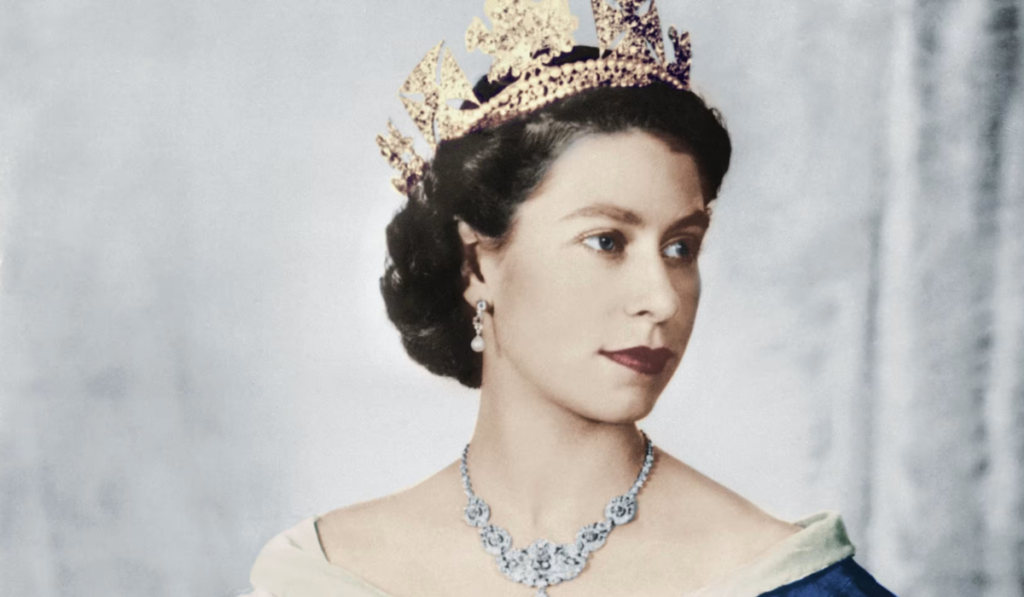
The unexpected abdication of her uncle, King Edward VIII, in nineteen thirty-six completely altered the personal destiny of Queen Elizabeth II and her immediate family. Her father reluctantly ascended the throne as King George VI, instantly transforming young Elizabeth into the official heir presumptive to the British empire. This sudden shift placed immense psychological pressure on a ten-year-old child who now had to prepare herself for the eventual governance of millions of citizens. Preparations for her future role immediately commenced through rigorous academic study and guidance from prominent religious and educational figures.
Wartime Resilience and Youth Contributions
During the turbulent years of the Second World War, Queen Elizabeth II demonstrated remarkable courage by remaining in Great Britain despite intense enemy aerial bombings. She delivered her very first public radio broadcast at the age of fourteen, offering vital emotional comfort and solidarity to evacuated children across the nation. As she reached adulthood, she insisted on joining the Auxiliary Territorial Service, where she trained valiantly as a military truck driver and mechanic. This hands-on experience allowed her to connect directly with ordinary working citizens during a period of extreme national crisis.
Romance and Marriage to Prince Philip
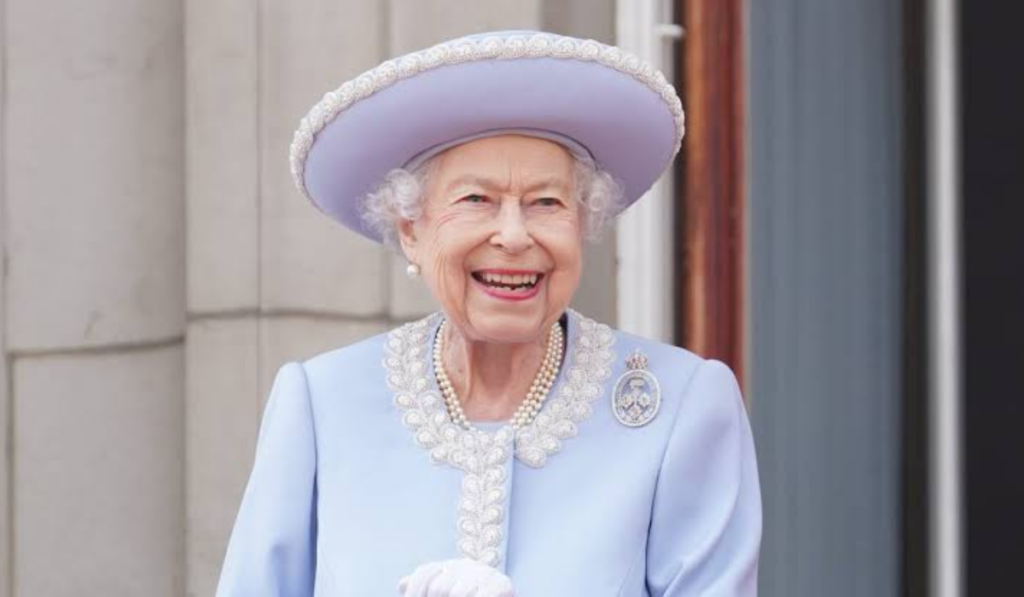
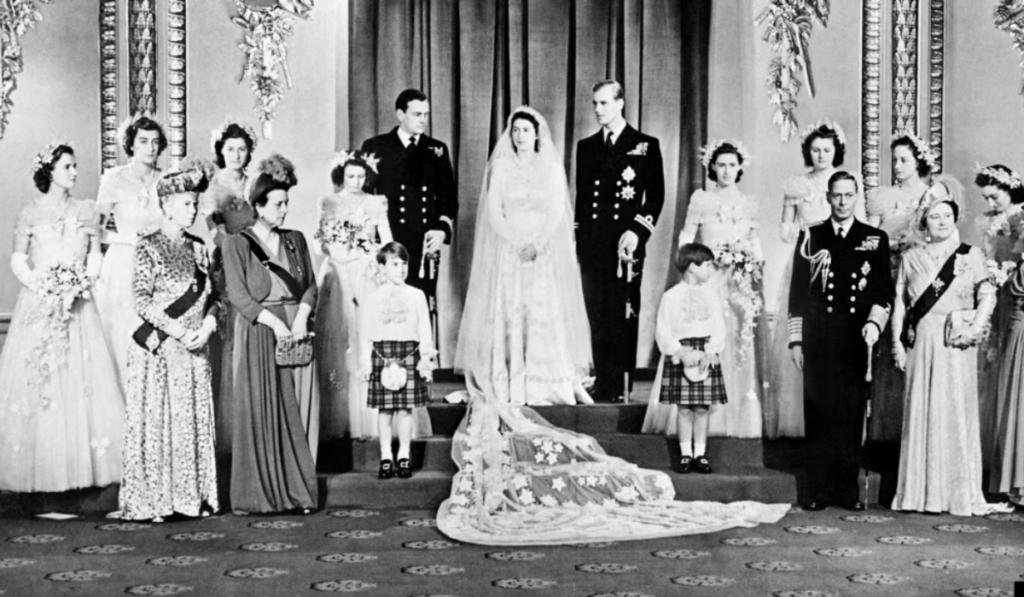
A defining moment in her personal journey was her lifelong romance and subsequent marriage to Prince Philip of Greece and Denmark in nineteen forty-seven. Queen Elizabeth II had first met her distant cousin years earlier, and their relationship blossomed through years of wartime correspondence and shared values. Their wedding at Westminster Abbey provided a much-needed wave of celebratory joy for a country still recovering from the physical and economic devastation of global conflict. Together, they built a powerful partnership that sustained the monarchy through decades of immense social and political upheaval.
Accession to the Throne in Nineteen Fifty-Two
While traveling abroad in Kenya during nineteen fifty-two, Queen Elizabeth II received the tragic news of her beloved father’s sudden death and her own immediate accession. At just twenty-five years old, she transitioned overnight from a young military wife and mother into the ruling monarch of multiple global realms. She returned immediately to London to shoulder the immense weight of state affairs, committing her entire existence to the continuous service of her people. This solemn vow marked the official beginning of a monumental historical epoch defined by unwavering dedication and personal sacrifice.
The Historic Coronation at Westminster Abbey
The magnificent coronation ceremony of Queen Elizabeth II took place on June second, nineteen fifty-three, inside the historic walls of Westminster Abbey. In a groundbreaking break with centuries of royal tradition, she permitted television cameras to broadcast the entire sacred event directly into millions of global households. Millions of spectators lined the rainy London streets to witness the majestic procession, catching a rare glimpse of ancient pageantry brought into the modern television era. This visionary decision instantly bridged the gap between the traditional monarchy and an increasingly connected post-war global society.
Navigating a Changing Post-War World
Throughout the later decades of the twentieth century, Queen Elizabeth II deftly guided the British crown through rapid decolonization and profound geopolitical transformations. She traveled extensively across the globe, visiting remote commonwealth territories and foreign nations to foster international diplomacy and mutual cultural understanding. Despite holding limited direct political power, her weekly meetings with successive prime ministers provided invaluable institutional continuity and confidential counsel to British governance. Her steady presence acted as a stabilizing anchor during periods of intense economic inflation and social friction.
Evolution of the Modern Commonwealth
A monumental achievement of her historic reign was the successful transformation of the British Empire into the modern, voluntary association known as the Commonwealth. Queen Elizabeth II passionately championed this global network, traveling across continents to unite diverse nations under shared democratic values, cultural exchange, and mutual cooperation. Her genuine affection for international unity helped maintain strong diplomatic bonds among billions of people across developing and developed countries alike. This visionary legacy cemented her status as a universally respected global stateswoman far beyond her domestic borders.
Facing Personal and Public Challenges
Despite her immense popularity, Queen Elizabeth II faced severe political and personal trials, notably during nineteen ninety-two, which she famously characterized as her difficult year. Public scandals, royal divorces, and a devastating fire at Windsor Castle severely tested the public standing and financial transparency of the institution she managed. Furthermore, intense public criticism following the tragic death of Princess Diana forced the royal household to adapt toward greater emotional openness and modern transparency. Her ability to listen to public sentiment ultimately preserved the long-term survival of the crown.
Golden and Diamond Jubilees of Celebration
The milestone jubilee celebrations marked extraordinary periods of national rejoicing and widespread public affection for Queen Elizabeth II across the British Isles and beyond. Millions of loyal subjects gathered in London during her golden and diamond jubilee years to honor her decades of uninterrupted public service and duty. These massive celebrations featured grand musical concerts, festive street parties, and magnificent river pageants along the River Thames that showcased national pride. Through every celebratory event, she consistently used her platform to express deep gratitude toward her devoted citizens and family.
Philanthropy and Patronage of Charitable Causes
Throughout her seven decades on the throne, Queen Elizabeth II maintained active royal patronages with over five hundred charitable organizations, professional bodies, and public service institutions. Her dedicated involvement provided essential global publicity and financial sustainability for medical research, wildlife preservation, youth opportunities, and cultural foundations. She viewed voluntary community work as an essential pillar of modern society, frequently highlighting unsung heroes through national honors and personal commendations. Her active endorsement empowered countless grassroots organizations to expand their humanitarian reach globally.
The Longest-Surviving Sovereign in British History
By surpassing the previous longevity records set by her ancestor Queen Victoria, Queen Elizabeth II became the longest-serving monarch in entire British historical annals. Her unprecedented longevity allowed generations of citizens to experience no other head of state, making her an enduring symbol of national identity and historical continuity. Even well into her advanced years, she continued to perform demanding state duties, review military parades, and host international dignitaries with characteristic grace. This remarkable stamina earned her profound admiration from global leaders spanning multiple political generations.
The Passing of Prince Philip
A profound personal sorrow struck Queen Elizabeth II when her beloved husband of seventy-three years, Prince Philip, passed away peacefully in twenty twenty-one. Confined by strict pandemic health regulations at the time, she sat stoically and alone during his funeral service inside St George’s Chapel, capturing global sympathy. This heartbreaking loss marked the end of an era for her private life, yet she continued to fulfill her heavy constitutional responsibilities with remarkable courage and stoicism. Her quiet strength during deep personal mourning resonated deeply with individuals grieving worldwide losses.
Platinum Jubilee and Historic Milestone
In twenty twenty-two, Queen Elizabeth II reached an unprecedented historical milestone by celebrating her historic Platinum Jubilee, marking seventy remarkable years of royal service. Communities across the United Kingdom and the Commonwealth illuminated beacons, hosted massive celebratory lunches, and participated in vibrant cultural tributes to honor her unmatched reign. Although physical frailty limited some of her public appearances during the weekend festivities, her surprise appearance on the Buckingham Palace balcony delighted millions. This momentous occasion stood as a fitting global tribute to a lifetime of extraordinary dedication.
Final Public Duties and Appointment of Prime Ministers
True to her lifelong vow of absolute service, Queen Elizabeth II appointed her final prime minister, Liz Truss, at Balmoral Castle just two days prior to her passing. Throughout her long tenure, she worked productively alongside fifteen distinct British prime ministers, serving as a confidential sounding board and constitutional guardian. Her final official photographs demonstrated her enduring mental sharpness and commitment to duty, even as her physical health visibly declined. This final act exemplified her unwavering work ethic right up to the very end of her life.
Peaceful Passing at Balmoral Castle
On September eighth, twenty twenty-two, the long and historic reign of Queen Elizabeth II came to a peaceful end at her beloved Balmoral Castle in Scotland. News of her passing triggered an immediate wave of global mourning, with millions of grieving citizens laying floral tributes outside royal residences in London. World leaders, political adversaries, and ordinary citizens united to pay profound tribute to her monumental legacy of stability, grace, and public duty. Her death marked the closing chapter of a golden era in modern European and global history.
State Funeral and Global Farewell
The solemn state funeral of Queen Elizabeth II took place at Westminster Abbey, drawing heads of state, royalty, and dignitaries from every corner of the planet. Millions of people watched the televised procession as her flag-draped coffin moved through the historic streets of London accompanied by solemn military bands. Following the poignant national service, she was laid to rest beside her husband Prince Philip and her parents at St George’s Chapel in Windsor. This magnificent farewell reflected the profound global respect commanded by her extraordinary seven-decade reign.
Succession and the Ascendance of King Charles III
Immediately following her passing, the ancient crown seamlessly passed to her eldest son, who ascended the throne as King Charles III to guide the nation forward. This smooth constitutional transition proved the remarkable resilience and enduring stability of the British monarchy that Queen Elizabeth II had meticulously safeguarded. The new king inherited a transformed institution facing modern social expectations, yet deeply anchored in the timeless traditions championed by his mother. Her legacy continues to shape the core identity and constitutional principles of the modern British state.
Lasting Historical Legacy and Global Remembrance
The enduring legacy of Queen Elizabeth II remains firmly etched in global history as a golden standard of constitutional duty, political neutrality, and personal dignity. She successfully navigated the monumental transition from the British Empire into a modern, multicultural commonwealth while maintaining the foundational respect for crown traditions. Her life serves as a remarkable testament to the power of quiet perseverance and steadfast devotion through times of profound global transformation. Readers seeking deeper historical context can explore further details through Elizabeth II.
FAQs
- When was Queen Elizabeth II born?
- Queen Elizabeth II was born on April 21, 1926, in Mayfair, London.
- How long did Queen Elizabeth II reign?
- Her historic reign lasted for 70 years and 214 days, from 1952 until 2022.
- Who was her husband?
- She was married to Prince Philip, the Duke of Edinburgh, from 1947 until his passing in 2021.
- How many prime ministers served during her reign?
- A total of 15 UK prime ministers served under her, beginning with Winston Churchill and ending with Liz Truss.
- Where did Queen Elizabeth II pass away?
- She passed away peacefully at Balmoral Castle in Scotland on September 8, 2022.