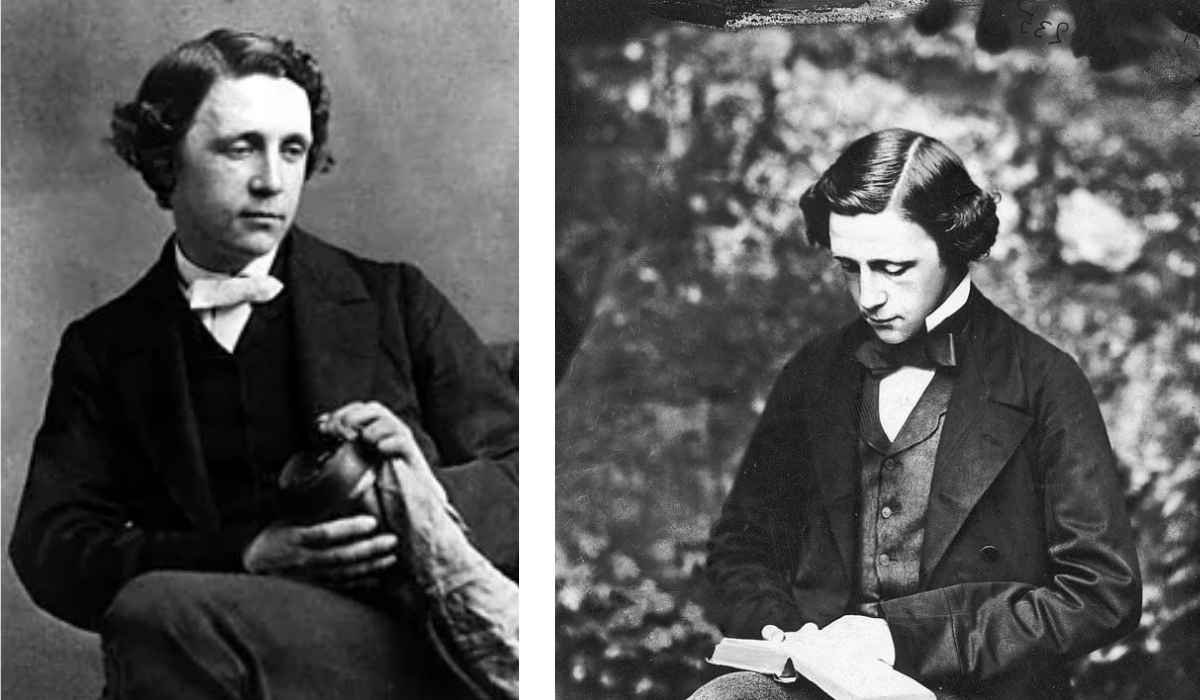
Lewis Carroll stands as a towering figure in Victorian literature, celebrated worldwide for his brilliant imagination, whimsical storytelling, and unique contributions to the genre of nonsense verse. Born as Charles Lutwidge Dodgson, this remarkable English author, mathematician, logician, and photographer created timeless masterpieces that continue to captivate readers of all ages. Beyond his famous literary creations, his life was defined by a fascinating duality between rigid academic discipline and boundless creative freedom. This comprehensive exploration delves into his early upbringing, his academic pursuits at Oxford, the inspiration behind his iconic characters, and his enduring legacy in global culture.
Quick Bio
| Detail | Information |
| Full Name | Charles Lutwidge Dodgson |
| Pen Name | Lewis Carroll |
| Date of Birth | 27 January 1832 |
| Place of Birth | Daresbury, Cheshire, England |
| Profession | Writer, Mathematician, Logician |
| Famous Work | Alice’s Adventures in Wonderland |
| Date of Death | 14 January 1898 |
Early Life and Family Background of Lewis Carroll
Lewis Carroll spent his early childhood years growing up in a close-knit and intellectually stimulating rural household. Born into a large family as the third of eleven children, he developed an early aptitude for amusing his siblings. His father served as a clergyman, instilling strong moral and educational values. During these formative years in the English countryside, young Lewis crafted homemade games, puzzles, and stories to entertain his brothers and sisters. This nurturing yet isolated environment allowed his unique imagination to flourish long before he achieved international literary fame.
Education and Academic Years at Oxford University
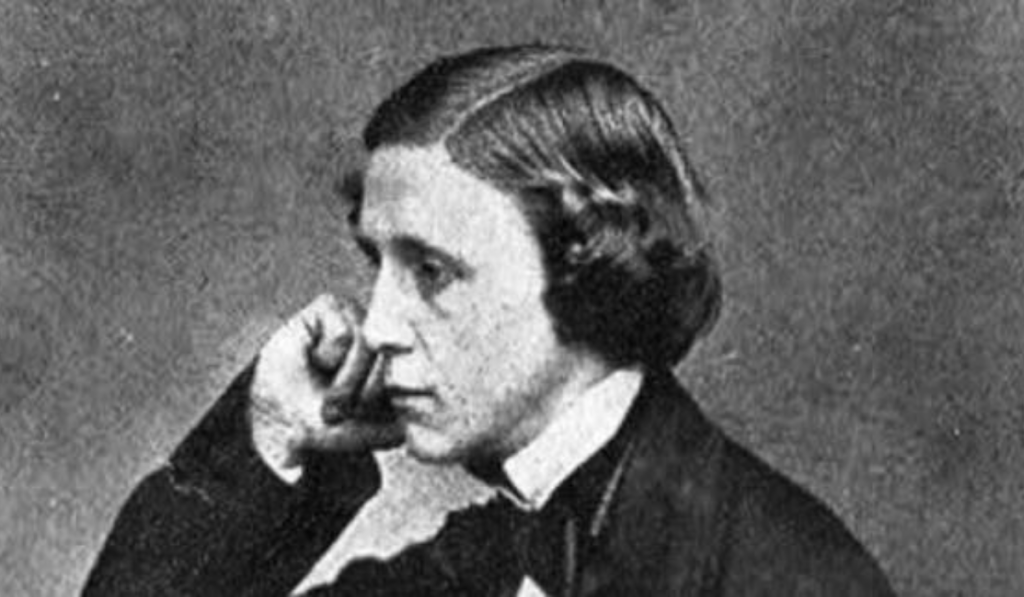
Academic excellence defined much of the early adulthood experienced by Lewis Carroll. After attending rigorous private institutions like Rugby School, he matriculated at Christ Church, Oxford, a prestigious college that would remain his home for most of his life. Displaying an exceptional grasp of numerical concepts, Lewis achieved top honors in his mathematical finals. His dedication to scholarly pursuits eventually secured him a lifetime studentship and a position as a mathematics lecturer, balancing his strict academic responsibilities with a growing passion for creative writing and artistic expression.
The Creation of Alice Adventures in Wonderland
Masterpiece creation often stems from simple, unexpected moments in the life of Lewis Carroll. During a leisurely boating trip down the Thames with young Alice Liddell and her sisters, Lewis improvised a fantastical tale about a curious girl falling down a rabbit hole. Encouraged by friends who recognized the brilliance of the narrative, Lewis expanded the spoken tale into a written manuscript. Published in 1865, Alice’s Adventures in Wonderland instantly revolutionized children’s literature by prioritizing pure entertainment and imaginative wonder over heavy-handed moral instruction.
Exploring the Sequel Through the Looking Glass
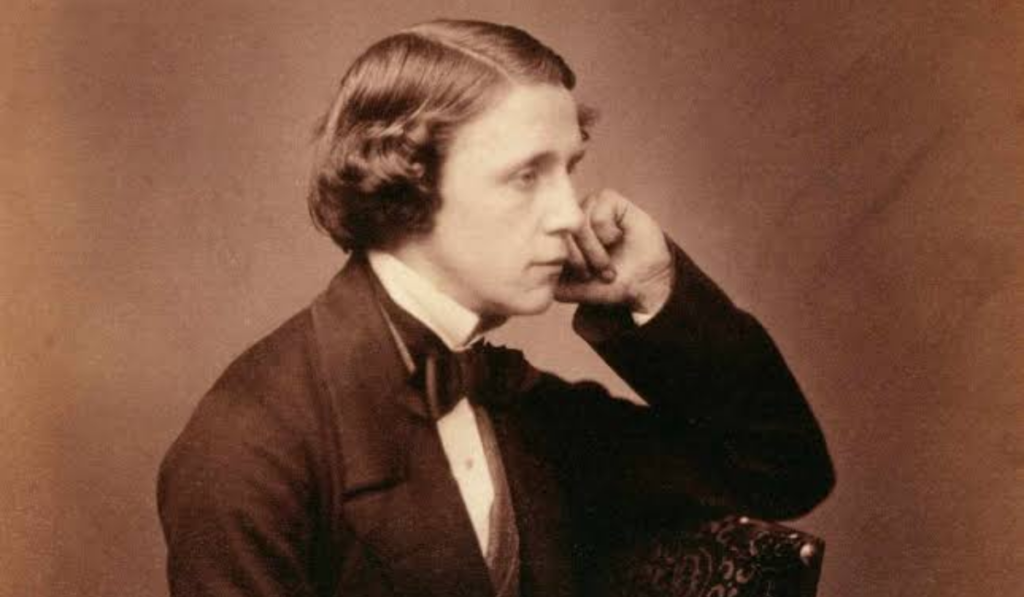
Literary success expanded further with the publication of subsequent masterpieces by Lewis Carroll. Seeking to replicate the charm of his initial triumph, Lewis introduced readers to a mirrored universe governed by inverted logic and chess-based rules. Through the Looking-Glass featured iconic poems like Jabberwocky, showcasing the linguistic genius and playful portmanteau words invented by Lewis. This celebrated sequel cemented his reputation as a visionary storyteller, proving that his imaginative capacity extended far beyond a single lucky narrative concept.
Mathematical Career and Logical Writings
Intellectual rigor formed a core pillar in the multifaceted career of Lewis Carroll. While millions knew him for fairy tales, colleagues at Oxford knew Lewis as a dedicated mathematics instructor and logician. He penned numerous treatises on geometry, determinants, and symbolic logic, aiming to make complex academic subjects engaging for students. These instructional texts highlighted the analytical precision of Lewis, demonstrating how structural logic seamlessly underpinned both his mathematical formulas and his whimsical nonsense literature.
Passion for Photography and Visual Arts
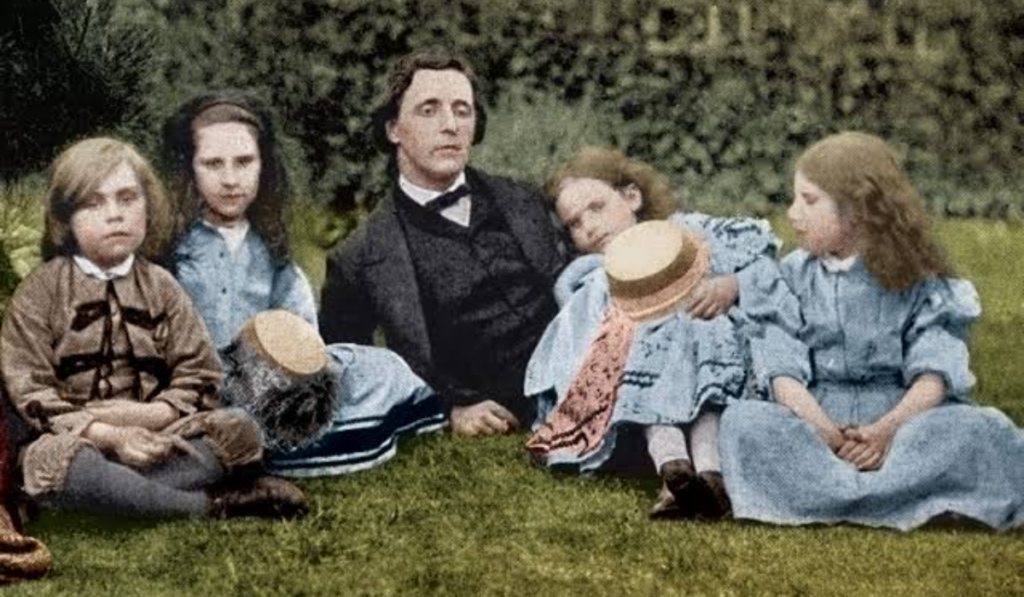
Visual storytelling captured the deep artistic interest of Lewis Carroll during the Victorian era. Embracing the emerging medium of photography, Lewis set up a specialized studio and produced stunning portraits of notable contemporaries, children, and artists. His photographic work reflected a meticulous attention to detail and composition. Today, art historians view the photographic portfolio of Lewis as an invaluable historical archive, capturing the nuances of Victorian society with the same clarity and creativity he brought to his written prose.
Linguistic Innovation and Nonsense Verse
Wordplay remained a defining hallmark of the creative style championed by Lewis Carroll. By twisting standard idioms, inventing new terminology, and crafting memorable nonsense verse, Lewis expanded the boundaries of the English language. Readers encountered terms that later entered mainstream dictionaries, all conceived through the linguistic experimentation of Lewis. This playful approach to grammar and semantics allowed Lewis to subvert conventional adult expectations, creating a liberating linguistic playground that delighted generations of young and old readers alike.
The Real Inspiration Behind the Character Alice
Countless speculations have surrounded the muse who inspired the most famous creation of Lewis Carroll. Alice Liddell, the daughter of an Oxford dean, served as the primary template for the literary heroine immortalized by Lewis. Although their close friendship shifted over the years, the profound impact of those childhood boat rides remained indelible. Scholars studying the life of Lewis continue to examine this relationship, recognizing that without the youthful energy and inquisitive nature of Alice Liddell, his masterwork might never have been written.
Teaching and Lectureship at Christ Church Oxford
Professional stability accompanied the decades spent working by Lewis Carroll within collegiate halls. Fulfilling his duties as a mathematics tutor required patience and dedication from Lewis, even though he occasionally found classroom routines repetitive. Despite dealing with a persistent stutter that made public speaking difficult, Lewis maintained a respectable position at Oxford for nearly thirty years. This academic environment provided Lewis with the financial security and intellectual freedom necessary to pursue his diverse literary and scientific hobbies.
Personality Traits and Personal Life Quirks
Private and eccentric tendencies often characterized the daily existence of Lewis Carroll. Preferring a quiet, orderly lifestyle, Lewis managed his correspondence meticulously and invented various travel gadgets to ease his journeys. He guarded his personal privacy fiercely, sometimes denying his pen name to unwanted visitors. These unique behavioral quirks added to the mystique surrounding Lewis, presenting a portrait of a deeply sensitive, introverted scholar who channeled his hidden emotional complexities into brilliantly eccentric works of fiction.
Later Works and Literary Evolution
Creative output continued well into the later decades of life for Lewis Carroll. Publishing ambitious projects such as The Hunting of the Snark and the Sylvie and Bruno novels, Lewis experimented with philosophical themes and social commentary. While these later writings achieved varying degrees of commercial success, they proved that Lewis refused to rest on his early laurels. Instead, Lewis constantly sought new ways to challenge his readership through complex narrative structures and moral undertones embedded within fantasy.
Cultural Legacy and Global Adaptations
Global culture bears an indelible stamp left permanently by Lewis Carroll. Countless film versions, stage productions, artistic illustrations, and psychological theories trace their origins directly back to stories crafted by Lewis. Phrases, characters, and scenarios introduced by Lewis have permeated modern language and media across the globe. Consequently, the cultural footprint established by Lewis remains as vibrant today as it was during the Victorian era, securing his status as an immortal titan of international literature.
Impact on Modern Fantasy and Children Literature
Genre evolution owes a massive debt to the narrative innovations pioneered by Lewis Carroll. By proving that children’s stories could thrive on pure nonsense, imagination, and psychological depth, Lewis paved the way for modern fantasy giants. Authors across subsequent generations found inspiration in the liberating style of Lewis. Today’s entire landscape of children’s literature reflects the structural blueprint originally drafted by Lewis, breaking down traditional barriers between adult intellect and childish wonder.
Religious Views and Anglican Deacon Ordination
Spiritual commitments played a significant role throughout the adult journey of Lewis Carroll. Fulfilling the requirements of his Oxford fellowship, Lewis Carroll took holy orders and became an Anglican deacon. Although he chose not to advance to the priesthood—partly due to his reluctance to engage in active parish ministry—faith remained an important anchor for Lewis Carroll. His private journals often reflected deep moral introspection, balancing his whimsical public persona with a quiet, devout religious inner life.
Preservation of Letters Diaries and Manuscripts
Historical documentation of Victorian life is richly preserved through records left by Lewis Carroll. Maintaining exhaustive personal diaries and saving thousands of letters, Lewis Carroll recorded the minute details of his daily interactions. These extensive personal archives offer researchers an unfiltered look into the mind of Lewis Carroll. Scholars rely heavily on the surviving manuscripts of Lewis Carroll to piece together the fascinating intersections between his academic obligations and his creative inspirations.
Health Challenges and Personal Struggles
Physical obstacles accompanied the intellectual triumphs experienced by Lewis Carroll. Struggling with a severe lifelong stutter and occasional bouts of illness that left him partially deaf in one ear, Lewis Carroll faced personal trials with quiet resilience. He navigated these health hurdles without letting them diminish his professional output. The perseverance shown by Lewis Carroll in overcoming communication barriers highlights a strong inner determination that counterbalanced his outwardly shy and retiring public demeanor.
Rediscovering Puzzles Games and Recreations
Entertainment took many intellectual forms within the active mind of Lewis Carroll. Beyond writing books, Lewis Carroll invented numerous mathematical games, word puzzles, and logical pastimes designed to stretch the cognitive limits of his audience. These recreational inventions showcased the playful genius characteristic of Lewis Carroll. Friends and family members frequently marveled at the endless stream of clever diversions generated by Lewis Carroll, cementing his reputation as a perpetual master of amusement and intellectual stimulation.
Final Years and Legacy in Guildford
Final chapters arrived peacefully for the celebrated author known as Lewis Carroll. Spending his retirement years living closely with his sisters in Guildford, Surrey, Lewis Carroll continued writing and engaging with intellectual pursuits until his passing in 1898. The town where Lewis Carroll spent his final days honors his memory deeply. Tributes from around the world continue to pour in, ensuring that the remarkable cultural footprint left behind by Lewis Carroll remains bright, respected, and eternally celebrated across generations.
Enduring Historical Significance and Remembrance
Historical remembrance of this Victorian icon remains universally strong regarding Lewis Carroll. Societies, academic trusts, and literary museums dedicated to Lewis Carroll work tirelessly to preserve his manuscripts, photographs, and personal artifacts. Scholars continue publishing analyses on the multifaceted genius of Lewis Carroll. Ultimately, the lasting cultural resonance of Lewis Carroll guarantees that his imaginative creations will forever charm humanity, securing an eternal place for Lewis Carroll in the pantheon of literary history.
- Who was Lewis Carroll in real life?
- Lewis Carroll was the pen name of Charles Lutwidge Dodgson, an English writer, mathematician, and Anglican deacon.
- What is Lewis Carroll most famous for writing?
- He is internationally famous for writing the classic fantasy novel Alice’s Adventures in Wonderland.
- When was Lewis Carroll born?
- He was born on January 27, 1832, in Daresbury, Cheshire, England.
- Did Lewis Carroll have an academic career?
- Yes, he worked for decades as a mathematics lecturer and student at Christ Church, Oxford.
- Where can I read more about his life details?
- You can explore comprehensive historical records on Lewis Carroll.