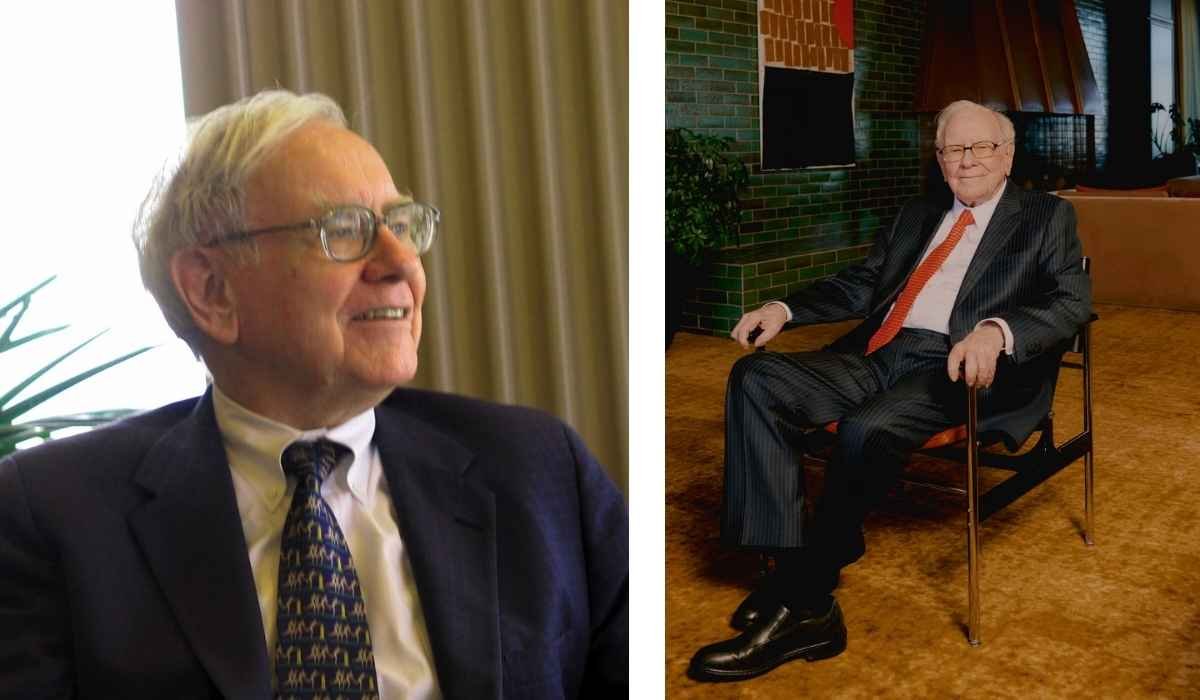
The extraordinary life and career of Warren Buffett stand as a testament to the profound power of disciplined patience, intellectual curiosity, and rigorous financial analysis in the dynamic world of modern business.
Quick Bio
| Attribute | Detail |
| Full Name | Warren Edward Buffett |
| Born | August 30, 1930 (Omaha, Nebraska, U.S.) |
| Occupation | Business Executive, Investor, Philanthropist |
| Known For | Chairman and CEO of Berkshire Hathaway, “Oracle of Omaha” |
| Education | University of Nebraska (BS), Columbia University (MS) |
Early Childhood Beginnings and Roots in Omaha
The foundational years of Warren Buffett began in Omaha, Nebraska, where he was born on August 30, 1930, displaying a remarkable aptitude for numbers and business concepts from an early age. Growing up as the son of a stockbroker and U.S. congressman, he absorbed the fundamental atmosphere of finance and commerce by visiting his father’s brokerage office. These formative experiences cultivated an early understanding of how markets operate and sparked a lifelong fascination with wealth generation. Even as a young boy, he showed an incredible capacity to calculate complex mathematical equations mentally, setting him apart from his peers and hinting at his future financial brilliance.
First Entrepreneurial Ventures and Early Hustles
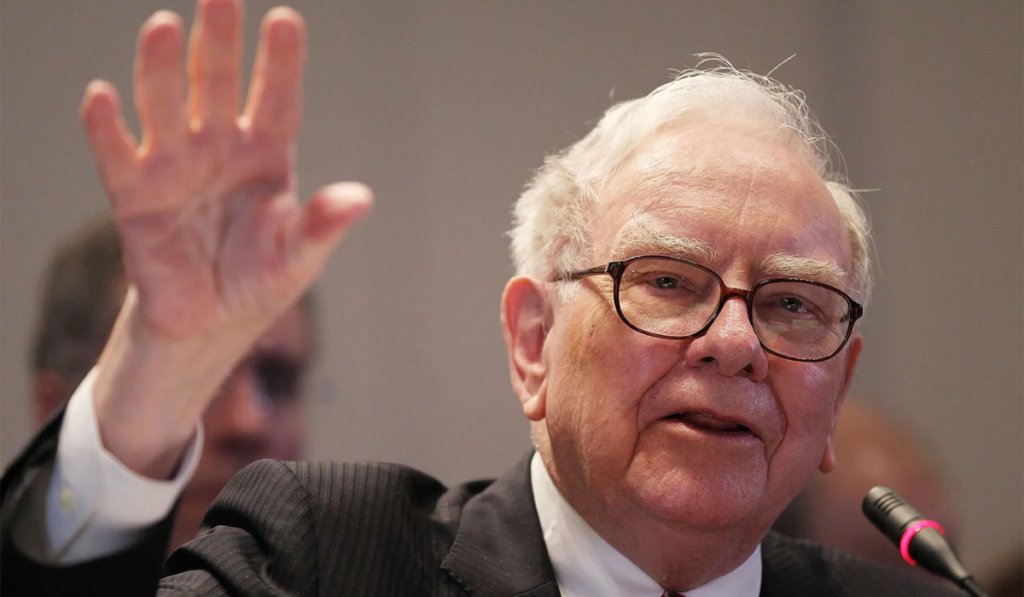
Demonstrating an exceptional drive for commerce, Warren Buffett launched multiple small businesses during his childhood, including delivering newspapers, selling golf balls, and running a pinball machine enterprise. By the tender age of eleven, he executed his very first stock purchase, acquiring three shares of Cities Service Preferred for himself and his sister. Although the stock initially dipped before rising to a modest profit, this early venture taught him vital lessons about market volatility and emotional endurance. These early entrepreneurial experiments proved that his knack for spotting economic opportunities was innate, setting a strong operational blueprint for his entire professional life.
Education at Wharton and Columbia University
Pursuing higher education, Warren Buffett initially attended the Wharton School of the University of Pennsylvania before transferring to complete his undergraduate degree at the University of Nebraska-Lincoln. Seeking advanced knowledge, he subsequently enrolled at Columbia Business School to study under legendary economist Benjamin Graham. Studying under Graham profoundly transformed his perspective, embedding the core philosophies of value investing deep into his intellectual framework. Earning his Master of Science in Economics in 1951, he emerged fully equipped with analytical tools that would redefine modern investment strategies and propel him toward unprecedented financial heights.
Mentorship Under Benjamin Graham and Early Career
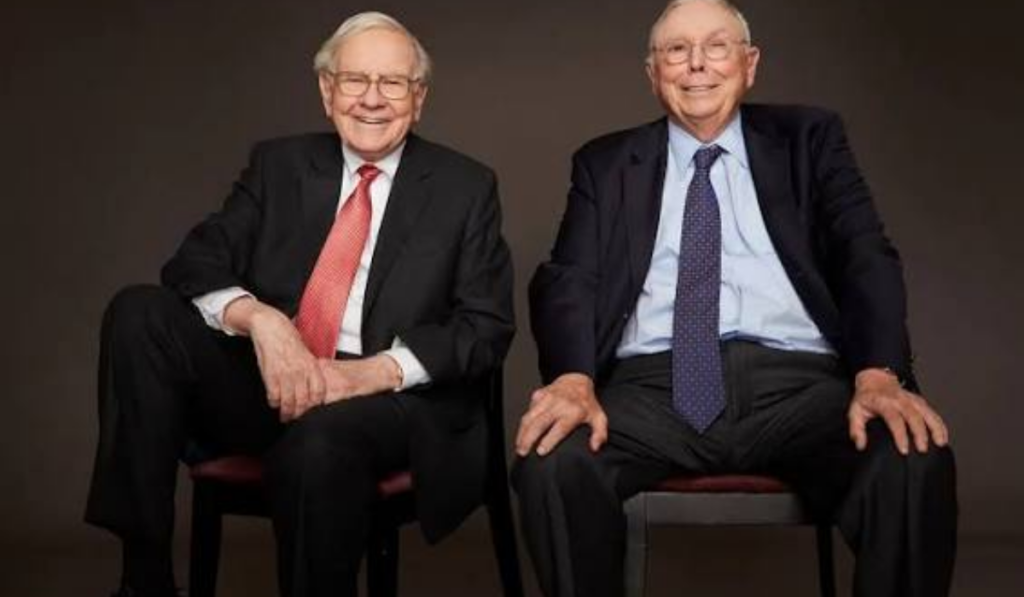
Working closely with Benjamin Graham at Graham-Newman Corporation provided Warren Buffett with invaluable hands-on experience in identifying deeply undervalued securities and corporate assets. During this professional stint, he mastered the art of examining corporate balance sheets to find hidden value that the broader market overlooked. Graham’s rational, dispassionate approach to market fluctuations deeply resonated with his own temperament, shaping a disciplined worldview that ignored short-term market noise. This pivotal mentorship served as the absolute bedrock upon which his legendary career as an elite financial analyst and asset manager was successfully built.
Launching Buffett Partnership Ltd in Omaha
Returning to his hometown of Omaha in 1956, Warren Buffett established Buffett Partnership Ltd. with a minimal personal investment and capital pooled from close family and friends. Operating out of his home, he systematically outperformed broader market indices year after year by deploying disciplined value-investing strategies. His unique partnership structure aligned his financial incentives directly with those of his investors, fostering immense trust and long-term loyalty. This successful enterprise rapidly expanded its capital base, transforming him from a ambitious young analyst into an independently wealthy financial powerhouse with a stellar track record.
Acquiring Control of Berkshire Hathaway
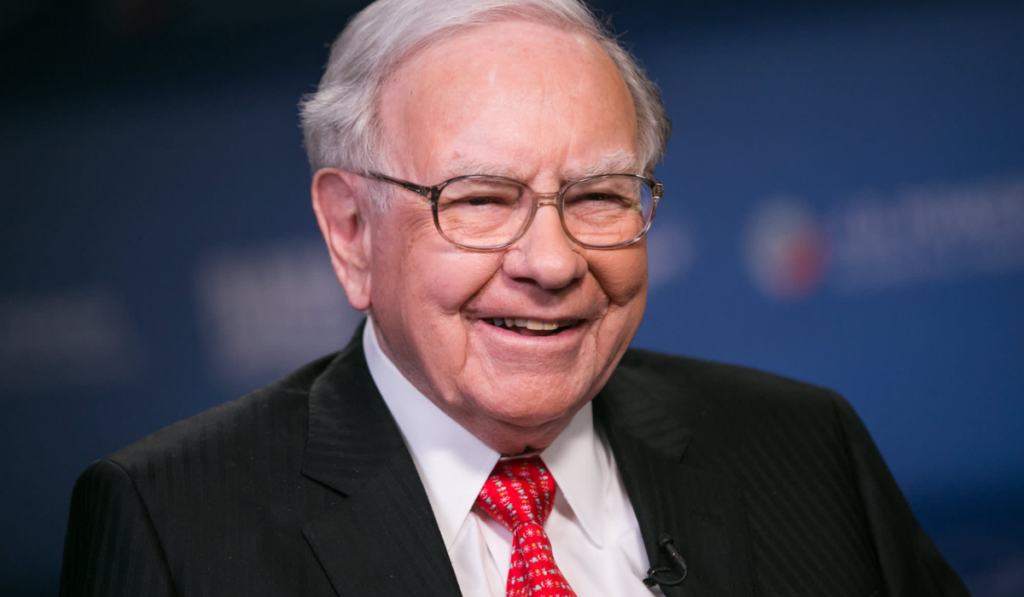
Taking control of Berkshire Hathaway in 1965, Warren Buffett initially inherited a struggling textile manufacturing firm that faced severe structural decline in the New England market. Although he later characterized the initial textile acquisition as a costly emotional mistake, he skillfully pivoted the enterprise into a diversified holding company. By utilizing cash flows generated from the textile operations to acquire insurance companies and other profitable businesses, he laid the groundwork for a massive corporate conglomerate. This bold strategic maneuver ultimately turned a failing industrial mill into one of the most successful holding structures in corporate history.
Partnership and Synergy with Charlie Munger
The arrival of Charlie Munger as a vital business partner and confidant fundamentally shifted Warren Buffett’s investment philosophy away from cheap cigar-butt stocks toward exceptional businesses at fair prices. Munger challenged him to look beyond immediate deep discounts and focus instead on companies possessing durable competitive advantages, or economic moats. Their decades-long collaboration at Berkshire Hathaway was characterized by deep intellectual debate, mutual respect, and an extraordinary record of compounding corporate capital. This synergistic partnership remains a legendary example of how complementary leadership styles can drive phenomenal, long-term commercial success.
Mastering the Principles of Value Investing
Adhering strictly to the core tenets of value investing, Warren Buffett consistently evaluates businesses based on their intrinsic worth rather than fluctuating stock market sentiments. He famously compares market moods to an emotional partner named Mr. Market, who offers daily buying and selling prices that rational investors can choose to ignore. By purchasing shares only when market prices trade at a substantial margin of safety relative to underlying business value, he minimizes risk. This disciplined, logical approach shields his portfolio from speculative manias and ensures steady, compounding growth across diverse economic cycles.
Identifying and Valuing Economic Moats
Prioritizing companies with wide economic moats allows Warren Buffett to secure investments that successfully fend off competitors and maintain high pricing power over decades. Whether evaluating consumer brands like Coca-Cola, utility providers, or railway networks, he searches for entrenched market leadership and unmatched brand loyalty. These protective business moats ensure that cash flows remain stable even during severe economic downturns or periods of intense technological disruption. Consequently, his long-term holdings consistently generate superior returns without requiring constant portfolio restructuring or hazardous market timing.
Transforming Berkshire Hathaway Into a Conglomerate
Building Berkshire Hathaway into a multi-sector global conglomerate involved acquiring stellar operating businesses across insurance, energy, retail, freight rail, and manufacturing industries. Operating with a decentralized management philosophy, Warren Buffett empowers subsidiary CEOs to run their companies autonomously while capital allocation remains centralized. The steady stream of insurance float generated by subsidiaries like GEICO provides cheap, deployable capital that fuels further strategic acquisitions. This unique structural design transformed a modest New England textile company into an economic powerhouse holding trillions in global assets.
The Power of Insurance Float in Capital Allocation
Utilizing insurance float stands as one of Warren Buffett’s most ingenious mechanisms for financing corporate expansion without incurring heavy debt or diluting shareholder value. Because insurance premiums are collected long before claims are paid out, Berkshire Hathaway holds pools of investable cash that effectively belong to policyholders rather than the firm. By underwriting policies conservatively to ensure underwriting profits, he essentially turns this liability into a zero-cost, high-yield investment engine. This financial advantage enables him to execute massive equity purchases during periods of intense market panic when traditional liquidity dries up.
Iconic Investment Successes Through the Decades
Achieving iconic status required Warren Buffett to place massive, high-conviction bets on iconic American brands and institutional giants when market sentiment was overly pessimistic. His historic investments in companies like The Washington Post, Geico, Coca-Cola, and Apple generated billions of dollars in realized and unrealized capital gains. Each major acquisition reflected a meticulous understanding of consumer behavior, brand strength, and long-term secular trends. These brilliant capital deployments cemented his reputation as the premier stock picker of the twentieth and twenty-first centuries.
Frugality, Lifestyle, and Down-to-Earth Philosophy
Maintaining an unpretentious lifestyle despite possessing staggering multi-billion-dollar wealth, Warren Buffett continues to reside in the same modest Omaha home he purchased decades ago. His preference for simple pleasures, driving affordable automobiles, and enjoying everyday meals reflects a deeply grounded mid-American common sense. Eschewing extravagant luxuries and corporate excess, he models extreme humility and fiscal responsibility for business leaders worldwide. This consistent alignment between personal values and public behavior has earned him universal admiration and profound moral authority across global financial markets.
Philanthropic Vision and The Giving Pledge
Pledging to give away more than ninety-nine percent of his vast fortune to philanthropic causes, Warren Buffett revolutionized modern charitable giving alongside Bill and Melinda Gates. By launching The Giving Pledge, he successfully persuaded hundreds of the world’s wealthiest billionaires to dedicate the majority of their wealth to addressing pressing global challenges. His substantial contributions to the Gates Foundation and family-run charitable entities support initiatives in global health, education, and poverty alleviation. This massive philanthropic commitment ensures that his wealth will ultimately cycle back to benefit society and improve countless lives worldwide.
Wisdom Through Annual Shareholder Letters
Publishing his legendary annual shareholder letters, Warren Buffett shares profound business insights, economic commentary, and life lessons with millions of readers across the globe. Written with trademark clarity, humor, and plainspoken wisdom, these letters serve as an indispensable masterclass in corporate governance and long-term investing. Aspiring entrepreneurs, professional fund managers, and retail investors alike study these documents religiously to decode his rational approach to complex financial challenges. This commitment to radical transparency cements his legacy not just as a successful investor, but as one of history’s greatest economic educators.
Navigating Major Financial Crises and Market Panics
Demonstrating steady leadership during severe historical market panics, Warren Buffett acted as a financial savior by injecting critical capital into distressed blue-chip institutions. During the 2008 global financial crisis, his strategic investments in giants like Goldman Sachs and Bank of America restored confidence and stabilized crumbling financial networks. By maintaining substantial cash reserves during market booms, he positioned Berkshire Hathaway to dictate terms when liquidity was scarce and fear dominated Wall Street. These calculated interventions underscored the immense stability that disciplined risk management brings to the broader international economy.
Evolution of Strategy in the Digital Economy
Adapting his traditional value-investing framework to encompass modern technology giants, Warren Buffett demonstrated a willingness to evolve while staying true to his core philosophy. Although he famously avoided high-tech stocks he did not fully understand during the late 1990s dot-com bubble, he later embraced powerhouse firms like Apple as fundamental consumer staples. Recognizing that modern consumer habits grant certain tech companies unbreakable economic moats allowed him to capture massive value for Berkshire Hathaway shareholders. This strategic flexibility proved that timeless investing principles can successfully apply to changing commercial landscapes.
Succession Planning and the Future of Berkshire Hathaway
Securing the long-term institutional stability of his corporate empire, Warren Buffett established a robust succession plan, appointing capable leaders like Greg Abel to manage future operations. He carefully structured Berkshire Hathaway’s decentralized corporate culture to endure well beyond his lifetime, ensuring that decentralized management remains permanently embedded. By ensuring that incoming executives share his core ethical standards and long-term orientation, he protects the company against future leadership drift. This meticulous planning guarantees that the economic engine he built will continue to compound value for generations of future shareholders.
Lasting Legacy of the Sage of Omaha
Leaving behind an unmatched professional legacy, Warren Buffett redefined how humanity perceives capital allocation, corporate ethics, and long-term patience. His journey from a mathematically gifted boy in Omaha to the most respected investor in history illustrates the profound triumph of rational thinking over emotional speculation. By combining unmatched financial acumen with radical generosity and down-to-earth humility, he transformed modern business standards forever. The enduring principles of the Sage of Omaha will continue to inspire and guide aspiring investors across the globe for centuries to come.
FAQs
- When was Warren Buffett born?
- Warren Buffett was born on August 30, 1930.
- What is Warren Buffett’s nickname?
- He is widely known as the “Oracle of Omaha” or “Sage of Omaha”.
- Which company is Warren Buffett famous for running?
- He serves as the chairman and former CEO of Berkshire Hathaway.
- Who was Warren Buffett’s primary investing mentor?
- Economist and investor Benjamin Graham served as his primary mentor.
- What philanthropic initiative did he help launch?
- He co-founded The Giving Pledge alongside Bill and Melinda Gates.