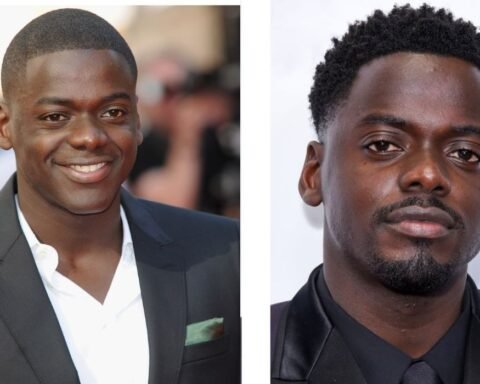
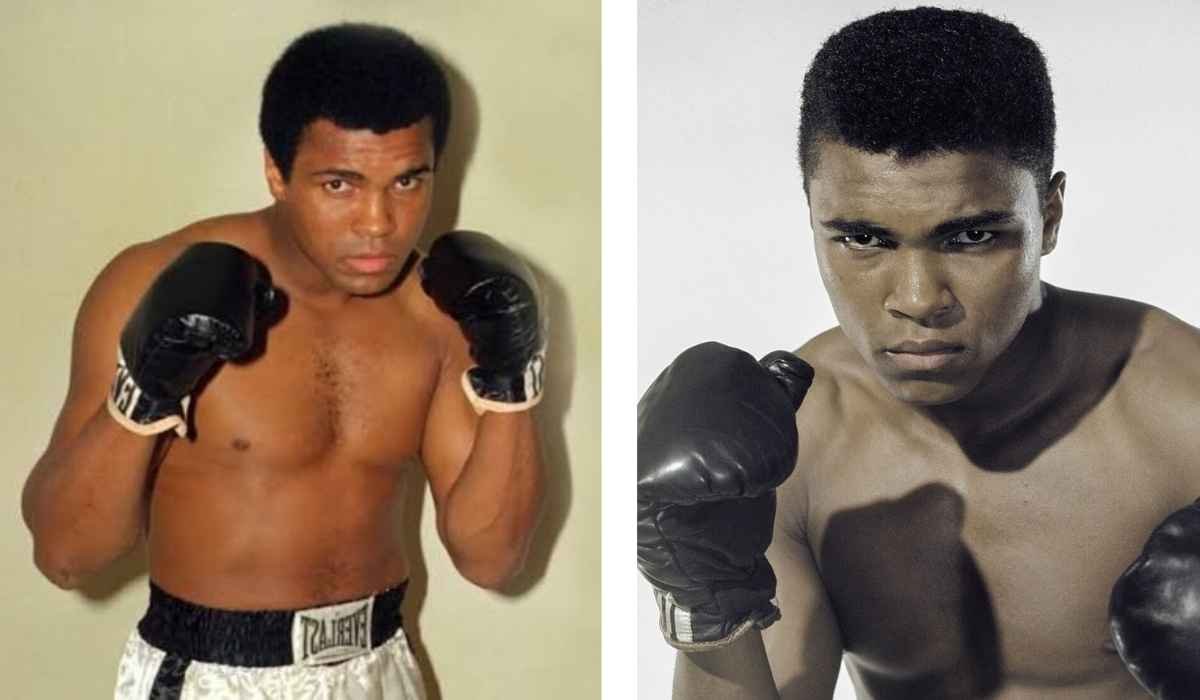
The legendary sports icon Mohammad Ali remains one of the most transformative athletic and cultural figures of the twentieth century. Born in Louisville, Kentucky, he electrified the globe through unprecedented boxing dominance, unmatched charisma, and fierce civil rights advocacy. Throughout his illustrious career, he challenged racial prejudices, opposed unjust wars, and redefined what it meant to be a global sporting champion. Millions of fans worldwide continue to look back at his extraordinary athletic achievements, theatrical ring pre-announcements, and unyielding humanitarian efforts with deep admiration. This comprehensive overview explores his remarkable journey from a promising amateur boxer to an immortal global ambassador of peace, resilience, and athletic excellence.
Quick Bio
| Attribute | Details |
|---|---|
| Full Name | Cassius Marcellus Clay Jr. |
| Ring Name | Mohammad Ali |
| Born | January 17, 1942 |
| Died | June 3, 2016 |
| Nationality | American |
| Profession | Professional Boxer, Activist, Philanthropist |
Early Beginnings and Amateur Success
Young Cassius Marcellus Clay Jr. discovered his passion for boxing at the tender age of twelve after his bicycle was stolen in Louisville. A local police officer named Joe Martin introduced him to the gym, where the future Mohammad Ali quickly demonstrated natural athletic talent and extraordinary hand speed. Training relentlessly under expert guidance, he dominated the amateur circuit, developing a unique fighting style characterized by lowered hands, lightning-fast footwork, and exceptional reflexes. His dedication culminated at the 1960 Summer Olympics in Rome, where he captured the light heavyweight gold medal, proudly representing the United States on the international stage and signaling the imminent arrival of a revolutionary sports superstar.
Transition to Professional Boxing
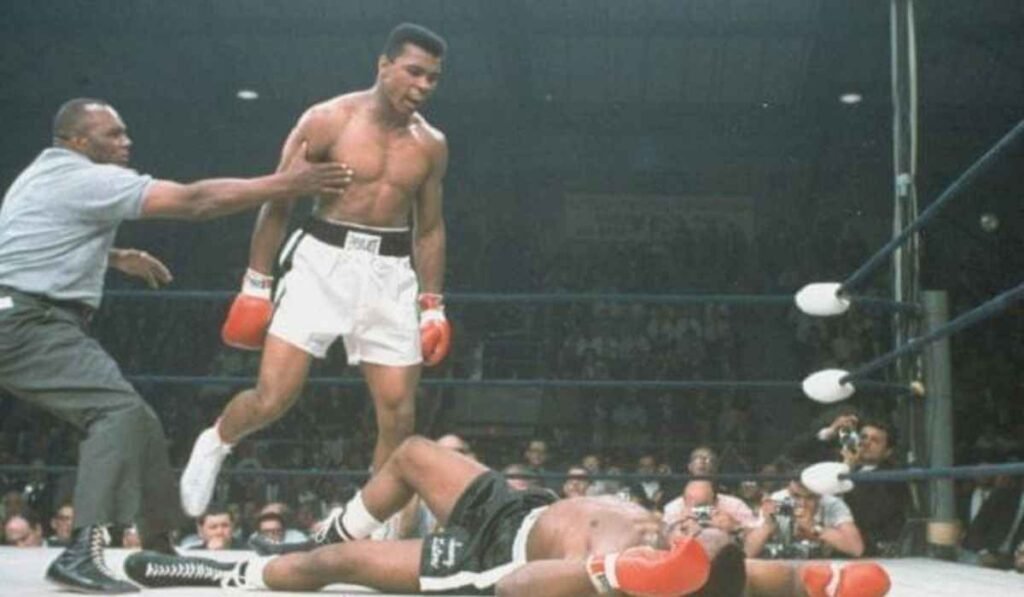
Entering the professional ranks required intense dedication, strategic brilliance, and supreme self-belief that set Mohammad Ali completely apart from his contemporaries. Working alongside legendary trainer Angelo Dundee, he refined his unique style of floating like a butterfly and stinging like a bee inside the squared circle. His charismatic persona and rhymes captured media attention, turning routine pre-fight press conferences into must-watch theatrical events. Opponents often underestimated his tactical intelligence, distracted by his verbal sparring, only to find themselves completely outmatched by his blistering speed, precise combinations, and psychological mastery under the bright lights of major promotional arenas across the United States.
The Epic Rivalry with Sonny Liston
The defining moment of his early professional career arrived when Mohammad Ali challenged the fearsome and heavily favored heavyweight champion Sonny Liston in 1964. Pundits widely predicted a brutal knockout defeat for the young challenger, yet his psychological warfare and tactical brilliance completely neutralized Liston’s raw power. By the end of the sixth round, Liston refused to answer the bell for the seventh, stunning the sports world and crowning a new, outspoken champion. Immediately following this historic victory, he shocked the public once more by announcing his conversion to Islam and adopting the name Mohammad Ali, forever altering his personal identity and public trajectory.
Embracing Faith and Conscience
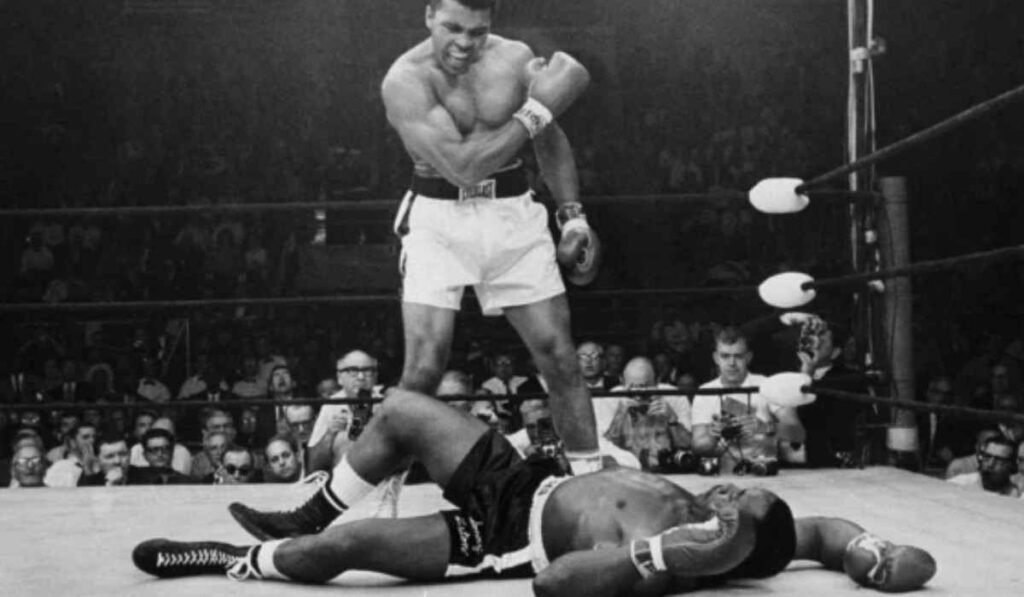
Standing firmly by his spiritual convictions, Mohammad Ali made the monumental decision to refuse military induction during the Vietnam War based on his religious beliefs and conscientious objections. This courageous stance cost him his boxing license, the prime years of his athletic prime, and millions of dollars in potential earnings while facing intense public backlash across America. Despite immense pressure from government officials and hostile media outlets, Mohammad Ali refused to compromise his personal integrity, transforming himself from a celebrated athletic champion into an enduring global symbol of resistance against systemic injustice, religious persecution, and imperial overreach.
Exile and the Long Road Back
During enforced exile from the ring, Mohammad Ali traveled extensively across university campuses, delivering powerful lectures on racial equality, civil liberties, and personal freedom. Supporters rallied behind his resilience, viewing his sacrifice not as a defeat, but as a profound moral victory that elevated his status far beyond athletics. When the Supreme Court eventually overturned his conviction unanimously in 1971, Mohammad Ali made a triumphant return to professional boxing, eager to reclaim the heavyweight crown that had been stripped away during his athletic prime, setting the stage for some of the most anticipated and brutal combat sports encounters in modern human history.
The Fight of the Century
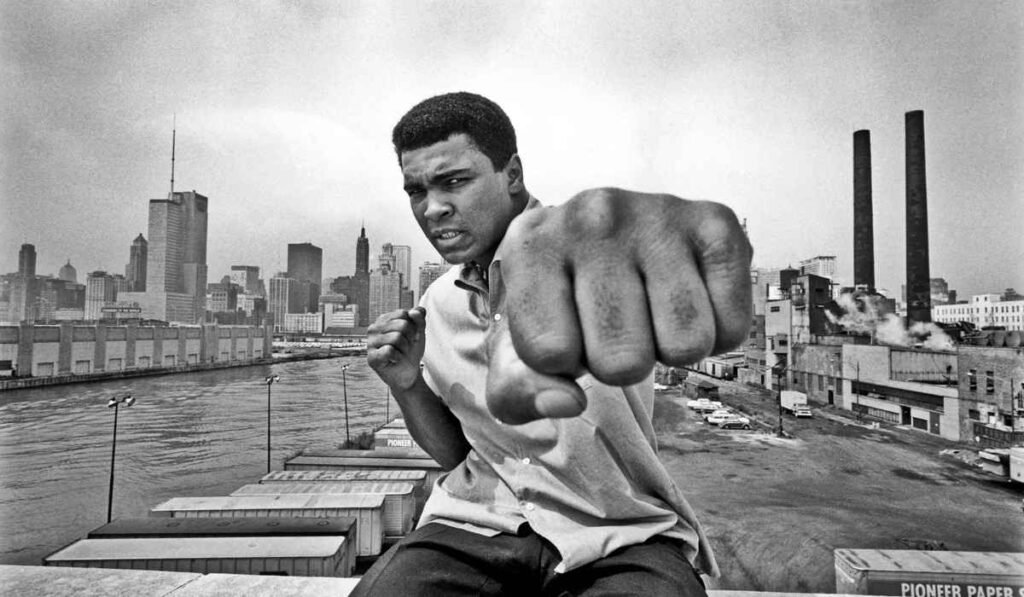
The much-anticipated 1971 showdown against undefeated champion Joe Frazier at Madison Square Garden became known universally as the Fight of the Century. Both warriors traded blistering punches in a brutal fifteen-round war of attrition that tested the physical limits of Mohammad Ali and his fierce rival. Although he suffered the first professional defeat of his career via unanimous decision, the contest cemented his legendary toughness and resilience. Fans and analysts realized that Mohammad Ali possessed an unbreakable spirit, recovering from a devastating left hook knockdown to finish the grueling bout on his feet, earning mutual respect and eternal glory on boxing’s grandest stage.
Redeeming Glory against George Foreman
History witnessed one of the greatest tactical masterclasses ever executed when Mohammad Ali challenged the devastating knockout puncher George Foreman in Zaire during the famous Rumble in the Jungle. Utilizing an innovative and risky strategy known as the rope-a-dope, Mohammad Ali leaned against the ropes, absorbing punishing blows to the arms and body while letting Foreman punch himself into utter exhaustion. In the eighth round, a sudden flurry of lightning-fast punches from Mohammad Ali sent Foreman crashing to the canvas, silencing skeptics worldwide and reclaiming the undisputed heavyweight championship in an unforgettable African sporting spectacle.
The Thrilla in Manila
The historic trilogy against Joe Frazier concluded in 1975 with the legendary Thrilla in Manila, a brutal contest held under punishing Philippine heat and humidity. Both fighters pushed their bodies to absolute exhaustion, landing punishing blows that left permanent physical marks on Mohammad Ali and his exhausted opponent. Between rounds, Mohammad Ali famously described the brutal encounter as the closest thing to dying that he had ever experienced. When Frazier’s trainer mercifully pulled his fighter out before the fifteenth round, Mohammad Ali was declared the winner, securing a brutal triumph that defined his unmatched competitive heart.
Reigning as a Three-Time Champion
Achieving a feat matched by very few in combat sports history, Mohammad Ali demonstrated incredible longevity by capturing the heavyweight crown for a third time against Leon Spinks in 1978. Despite past battles taking a visible toll on his physical speed and reflexes, his unmatched tactical intelligence allowed Mohammad Ali to outmaneuver and outpoint the younger, athletic champion in a dramatic rematch at the Louisiana Superdome. Fans celebrated wildly as Mohammad Ali cemented his unmatched legacy, proving that mental fortitude, ring generalship, and unyielding determination could overcome diminishing physical attributes against elite global competition.
Transition to Global Philanthropy
Retiring from professional boxing allowed Mohammad Ali to dedicate his remaining energy entirely to humanitarian causes, global diplomacy, and charitable foundation work. Traveling across war-torn nations, Mohammad Ali successfully negotiated the release of American hostages in Lebanon and delivered essential medical supplies to impoverished communities across the globe. His warm smile, playful magic tricks, and genuine compassion endeared Mohammad Ali to millions of admirers, transforming a once-controversial sports figure into a universally beloved global icon of peace, goodwill, and humanitarian outreach.
Battling Parkinson’s Disease with Grace
Diagnosed with Parkinson’s syndrome in 1984, Mohammad Ali faced his most difficult neurological battle with immense personal courage, dignity, and grace. Although the progressive condition gradually robbed him of his physical speech and agile movement, Mohammad Ali never lost his infectious spirit, sharp wit, or ability to captivate an audience with a mere glance. His unforgettable appearance at the 1996 Atlanta Olympic Games, trembling yet determinedly lighting the Olympic torch, brought billions of viewers worldwide to tears, showcasing the enduring power of the human spirit through Mohammad Ali and his remarkable resilience.
Cultural Impact and Global Legacy
Beyond athletic records, the cultural footprint left by Mohammad Ali influenced generations of artists, musicians, politicians, and civil rights leaders worldwide. Poets, writers, and filmmakers analyzed how Mohammad Ali reshaped racial identity, sports journalism, and athlete activism in the modern era. Schools, streets, and community centers named after Mohammad Ali continue to inspire young people to stand up for their convictions, pursue excellence relentlessly, and treat every fellow human being with absolute dignity, respect, and unconditional love regardless of background.
The Greatest of All Time
Countless sports publications, historians, and athletes officially designated Mohammad Ali as the Greatest of All Time, a fitting title for a transcendent cultural phenomenon. His combination of lightning-fast athletic skills, poetic verbal delivery, and unwavering moral courage ensured that Mohammad Ali remained peerless in sports history. Long after hanging up his boxing gloves, the name Mohammad Ali continues to evoke images of courage, triumph over adversity, and the relentless pursuit of greatness, inspiring future generations to fight for their dreams against all imaginable odds.
Remembering a Global Icon
The passing of Mohammad Ali in June 2016 triggered an unprecedented outpouring of global grief, celebration, and heartfelt tribute from world leaders and everyday fans alike. Memorial services reflected the diverse and far-reaching impact of Mohammad Ali, drawing dignitaries, celebrities, and admirers from every corner of the planet to Louisville, Kentucky. Tributes emphasized that while the physical presence of Mohammad Ali was gone, his timeless teachings, courageous spirit, and philanthropic legacy would continue to echo through eternity as an everlasting beacon of hope for humanity.
Continuing the Fight for Justice
Modern social justice movements frequently draw inspiration from the fearless activism demonstrated by Mohammad Ali during turbulent historical eras. Activists fighting for equality, human rights, and freedom look to the blueprint established by Mohammad Ali when he risked everything to defend his personal principles. Educational programs established in his honor ensure that the core values championed by Mohammad Ali—conviction, charity, respect, and dedication—survive and thrive among modern youth striving to create a fairer and more compassionate global society.
Preserving the Sporting Heritage
Sports museums and historical archives dedicated to preserving athletic history prominently feature the life and career of Mohammad Ali as a centerpiece exhibit. Visitors flock to view championship belts, training equipment, and photographs capturing the iconic moments that defined Mohammad Ali and his legendary era. Curators emphasize that educating new generations about Mohammad Ali preserves not only boxing history, but also the vital lessons of perseverance, grace under pressure, and standing firm against systemic injustice.
Inspiring Future Generations
Young athletes across diverse disciplines regularly study the training regimens, mental preparation, and psychological tactics utilized by Mohammad Ali to achieve peak performance. Coaches frequently cite Mohammad Ali as the ultimate role model for combining raw physical talent with intellectual preparation and unshakeable self-confidence. By internalizing the lessons imparted by Mohammad Ali, aspiring champions learn that true greatness requires discipline, a compassionate heart, and the courage to stand tall when facing insurmountable obstacles in life and sport.
Immortalizing the Legend
Global tributes, statues, and memorial foundations ensure that the memory of Mohammad Ali remains vibrantly alive in the hearts of millions across every continent. Documentaries, biographies, and academic studies continuously analyze the multifaceted life of Mohammad Ali, uncovering new layers of his complex and brilliant personality. As time marches forward, the indelible mark left by Mohammad Ali on human history guarantees that his legendary name will forever shine as a timeless monument to human potential, courage, and unconditional love.
Conclusion
The extraordinary life of Mohammad Ali serves as an eternal testament to what a single human being can achieve through unmatched talent, moral courage, and unwavering dedication to justice. From his humble beginnings in Louisville to global adoration as a legendary humanitarian, Mohammad Ali forever transformed sports, culture, and civil rights. For further details on his multifaceted life and historical impact, consult the comprehensive Mohammad Ali Jauhar Wikipedia reference page.
Frequently Asked Questions
- What was the birth name of the legendary boxer?
- He was born with the birth name Cassius Marcellus Clay Jr.
- In which year did he win his first Olympic gold medal?
- He captured the light heavyweight gold medal at the 1960 Summer Olympics in Rome.
- Why did he refuse military induction during the Vietnam War?
- He refused induction based on his religious beliefs as a Muslim and his conscientious objections to the conflict.
- What was the name of his famous tactical strategy against George Foreman?
- He famously utilized a defensive strategy known as the rope-a-dope to exhaust his opponent.
- When did he pass away?
- He passed away on June 3, 2016, leaving behind a monumental global legacy.