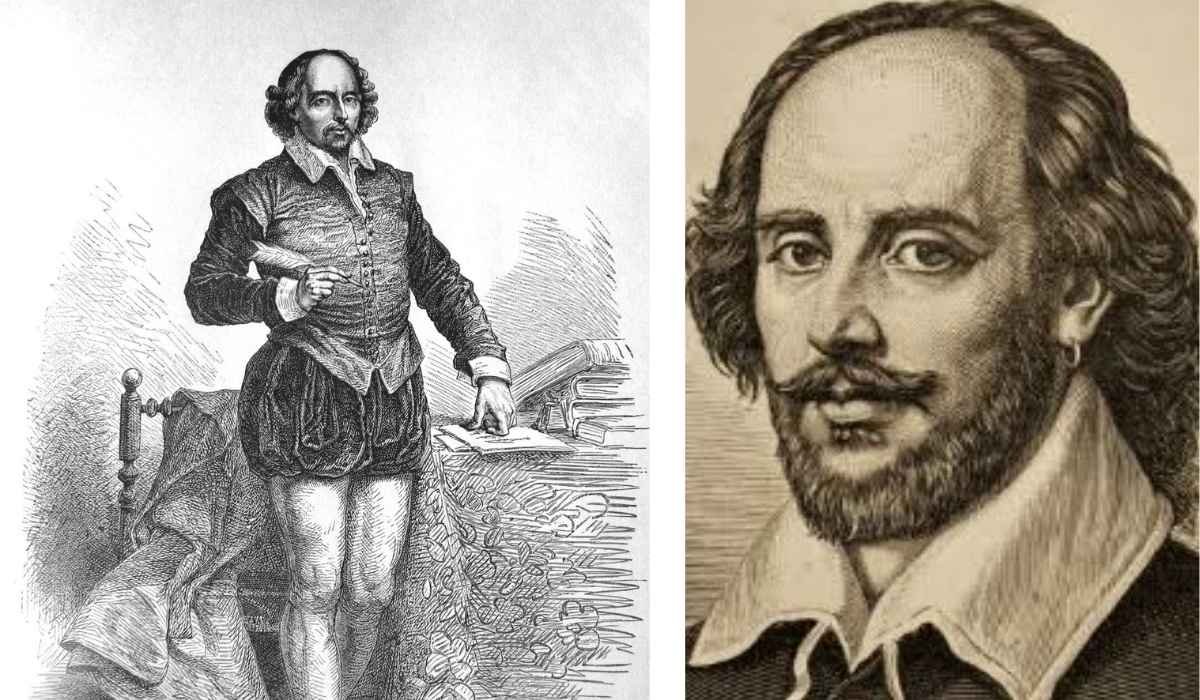
The legendary playwright William Shakespeare remains a monumental figure in global literature whose profound artistic contributions continue to shape modern storytelling, language, and dramatic arts across generations worldwide.
Quick Bio
| Attribute | Detail |
| Full Name | William Shakespeare |
| Born | April 1564 (Baptized April 26) |
| Birthplace | Stratford-upon-Avon, England |
| Died | April 23, 1616 |
| Occupation | Playwright, Poet, Actor |
| Spouse | Anne Hathaway |
Early Life and Childhood Roots in Stratford Upon Avon
Growing up in a bustling market town, the young William Shakespeare experienced an Elizabethan upbringing that deeply influenced his future artistic sensibilities and rich creative worldview. Local educational opportunities provided him with a rigorous foundation in classical literature, mythology, and rhetoric that would later anchor his extraordinary literary career. As the family navigated changing economic fortunes, young William Shakespeare observed diverse social strata, which later materialized brilliantly across his iconic theatrical characterizations and memorable dialogue.
Throughout his formative years in Warwickshire, local traditions, rural landscapes, and vibrant community festivals provided endless creative inspiration. Teachers at the local grammar school instilled a deep appreciation for classical authors like Ovid and Plautus, expanding his intellectual horizons immensely. These early immersive experiences ultimately shaped the literary voice of William Shakespeare, laying the groundwork for his future triumphs on the London stage and establishing a lifelong connection to English folklore and history.
Marriage to Anne Hathaway and Early Adult Years
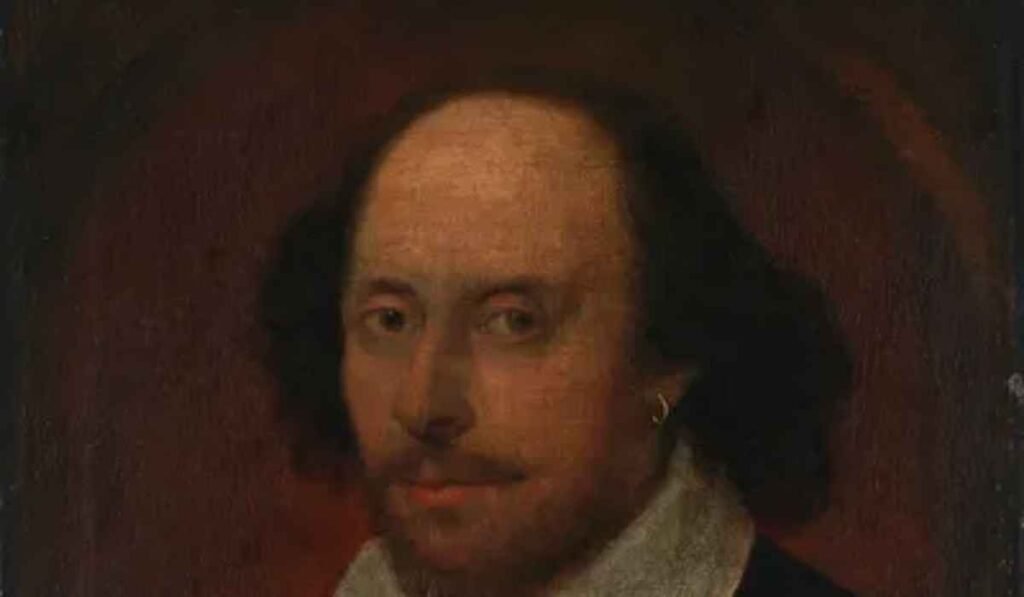
Entering a pivotal life chapter, eighteen-year-old William Shakespeare married Anne Hathaway in late 1582. The couple soon welcomed their first daughter Susanna, followed by twins Hamnet and Judith, anchoring his early responsibilities as a young family provider. Although historical records from this transitional period remain relatively sparse, William Shakespeare managed to balance domestic life in Warwickshire before eventually seeking broader professional horizons within the thriving theatrical community of London.
Navigating early marriage and fatherhood required immense resourcefulness from William Shakespeare during an era characterized by rapid economic shifts and social transformation. These demanding years of domestic responsibility deepened his understanding of human emotional complexity, familial duty, and interpersonal conflict. By absorbing the practical realities of everyday provincial life, William Shakespeare accumulated a wealth of experiential knowledge that would eventually breathe authentic life into his unforgettable dramatic characters and complex poetic narratives.
The Mystery of the Lost Years and London Arrival
Vanishing briefly from historical documentation during the mid-1580s, an ambitious William Shakespeare eventually re-emerged as a notable presence in the vibrant London theater scene. Scholars continue to debate his exact transitional activities, yet William Shakespeare successfully integrated himself into a competitive entertainment industry that rewarded raw talent, sharp wit, and relentless dedication to the stage craft.
Arriving in the bustling capital city presented monumental challenges and thrilling opportunities for a rising artist like William Shakespeare. The dynamic urban environment of Elizabethan London stimulated his creative intellect, exposing him to competing acting troupes, ambitious playwrights, and eager audiences hungry for novelty. Through sheer determination and creative brilliance, William Shakespeare quickly established valuable industry connections, paving the way for his legendary ascent within the vibrant and demanding world of Renaissance drama.
Rise as an Actor and Playwright in the Capital
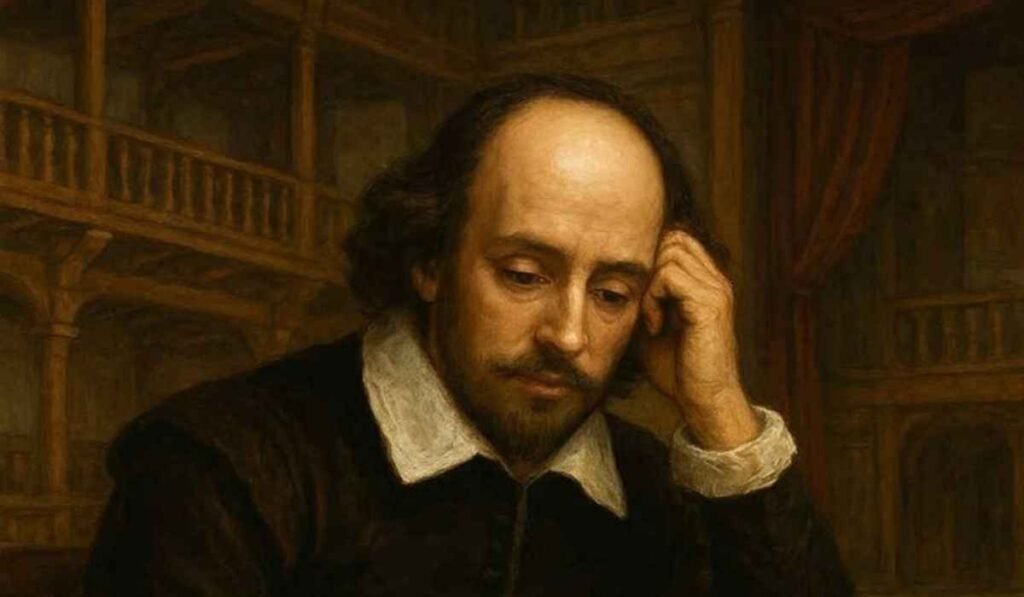
Establishing his professional reputation, William Shakespeare quickly transitioned from minor performance roles to creating compelling scripts that captivated diverse urban audiences. Patronage and popularity grew hand in hand as William Shakespeare demonstrated an uncanny ability to merge high artistic philosophy with accessible crowd-pleasing entertainment formats during the height of the Elizabethan theatrical golden era. Working tirelessly within competitive playhouses,
William Shakespeare refined his understanding of theatrical pacing, character motivation, and stagecraft mechanics. Audiences from every social stratum flocked to witness productions shaped by William Shakespeare, appreciating his unique blend of poetic lyricism and visceral theatrical action. This rapid accumulation of professional acclaim solidified the status of William Shakespeare as an indispensable pillar of the London dramatic community, setting the stage for even greater artistic and financial achievements in the coming decades.
Partnership with the Lord Chamberlain’s Men
Securing artistic stability, William Shakespeare joined the prestigious Lord Chamberlain’s Men acting troupe, where he functioned as both a principal playwright and a dedicated company shareholder. This crucial association allowed William Shakespeare to craft custom roles explicitly tailored to the unique talents of his fellow ensemble members, ensuring unprecedented theatrical success across multiple seasons.
Collaborative synergy within this trusted theatrical collective empowered William Shakespeare to experiment with ambitious narrative structures and complex thematic explorations without commercial constraint. Royal performances and public playhouse runs cemented the reputation of William Shakespeare and his troupe as the premier theatrical force in England. By anchoring his career to such a talented and loyal ensemble, William Shakespeare built a resilient professional foundation that weathered political shifts, plague closures, and fierce rivalries.
Creation of the Legendary Globe Theatre
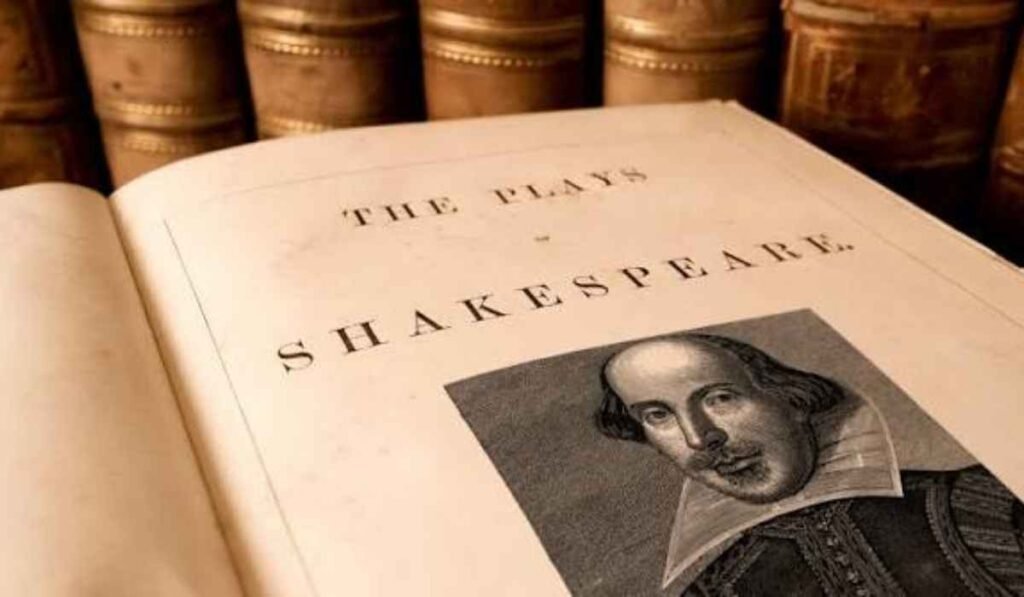
Symbolizing architectural and cultural triumph, the establishment of the iconic Globe Theatre provided William Shakespeare and his peers with a permanent home for their groundbreaking dramatic productions. Financial returns from this collaborative enterprise transformed William Shakespeare into a prosperous property owner, cementing his enduring legacy within both the local community of Stratford and metropolitan London.
Managing a major playhouse required acute business acumen alongside exceptional artistic vision, traits that William Shakespeare demonstrated consistently throughout his career. The open-air wooden theater allowed William Shakespeare to innovate with staging techniques, audience engagement, and atmospheric soundscapes that elevated Elizabethan drama to new heights. Even after devastating fires and shifting political winds, the enduring architectural legacy of projects associated with William Shakespeare continued to define the golden age of English theater.
Exploration of Early Comedies and Historical Dramas
Delving into lighter theatrical forms, early works by William Shakespeare featured witty comedies and sweeping historical chronicles that explored political intrigue and romantic misunderstandings. Audiences across England flocked to witness how William Shakespeare transformed historical chronicles into riveting moral lessons and thrilling national narratives that celebrated Tudor heritage and civic duty. Vibrant wordplay, mistaken identities, and joyful resolutions characterized the comedies crafted by William Shakespeare during this fertile creative window. Simultaneously, his history plays interrogated the heavy burdens of leadership, loyalty, and betrayal. Through these diverse theatrical experiments, William Shakespeare demonstrated an astonishing range, capturing both the lighthearted exuberance of romantic courtship and the grave political stakes governing the English Crown.
Mastering the Craft of Tragic Masterpieces
Pushings the boundaries of human emotion, a mature William Shakespeare authored timeless tragedies that investigated jealousy, ambition, grief, and existential despair with unmatched poetic brilliance. Masterpieces crafted by William Shakespeare during this intense creative period permanently elevated dramatic literature by examining the darkest recesses and most noble heights of the human condition. Characters created by William Shakespeare wrestle with profound moral dilemmas that continue to resonate deeply with modern psychological analysis and theatrical interpretation. The sheer linguistic power and emotional intensity found within these works established William Shakespeare as an unsurpassed master of dramatic pathos. Generations of directors, actors, and scholars continue to dissect the intricate psychological architecture underpinning every tragedy penned by William Shakespeare.
Transition to Late Romances and Poetic Closure
Evolving toward peaceful resolution, the final phase of dramatic output by William Shakespeare introduced enchanting late romances characterized by themes of forgiveness, reconciliation, and magic. Even as he stepped back from intense daily production schedules, William Shakespeare maintained an influential voice in shaping the future trajectory of English theatrical arts and poetic expression.
These late plays reflect a serene maturity, blending elements of tragedy and comedy into hopeful visions of generational renewal. Critics often view this reflective period as deeply personal for William Shakespeare, as he prepared to conclude his illustrious career in the capital. The sophisticated staging demands and ethereal atmospheres of these romances showcased an artist who remained entirely willing to challenge theatrical conventions right up to his retirement.
Composition of the Immortal Sonnet Sequence
Beyond his massive theatrical catalog, William Shakespeare composed an extraordinary sequence of one hundred fifty-four sonnets exploring love, beauty, time, and mortality. Literary critics frequently study how William Shakespeare subverted traditional Petrarchan tropes, offering deeply personal reflections that continue to resonate powerfully with modern readers and poetry enthusiasts worldwide. The intricate rhyme schemes and metaphorical depth embedded within these poems reveal a master craftsman pushing lyric poetry to its absolute limits. Through these verses, William Shakespeare addressed universal themes of aging, artistic immortality, and unrequited passion with astonishing psychological acuity. Scholars continue to debate the biographical origins of the figures depicted in the poems, ensuring that the poetic legacy of William Shakespeare remains a subject of endless fascination.
Linguistic Innovation and Vocabulary Expansion
Leaving an indelible mark on English vocabulary, William Shakespeare invented or popularized thousands of new words, idioms, and common expressions still utilized today. Lexicographers regularly trace modern phrasing back to foundational texts where William Shakespeare skillfully stretched language boundaries to capture nuance, subtext, and vivid sensory imagery. Everyday conversation frequently relies upon idioms originally coined by William Shakespeare, demonstrating how deeply his creative output permeates contemporary communication. By combining foreign loan words, compounding existing terms, and inventing entirely novel expressions, William Shakespeare permanently expanded the expressive capacity of the English language. This linguistic fearlessness remains one of his most celebrated and enduring cultural contributions to global literature.
Patronage and Royal Favor under King James
Gaining supreme royal endorsement, the acting troupe transformed into the King’s Men under the patronage of King James I. Court performances showcased how deeply valued William Shakespeare was within royal circles, securing elite status and institutional protection for his theatrical company during politically sensitive times. Royal patronage provided William Shakespeare with financial security and artistic prestige, allowing him to stage elaborate productions for courtly audiences. Plays written during this era often reflected the intellectual interests of the monarch, including demonology, Scottish history, and divine right. This close association with the royal court elevated William Shakespeare from a successful commercial playwright to a nationally recognized cultural treasure of the English Renaissance.
Retirement and Return to Stratford Upon Avon
Seeking tranquility after decades of intense metropolitan labor, William Shakespeare retired to his hometown of Stratford-upon-Avon, residing comfortably at his newly purchased estate. Local community life welcomed William Shakespeare back as a respected gentleman, landowner, and elder statesman of letters until his peaceful final years came to a close. Returning to his provincial roots allowed William Shakespeare to reconnect with family, manage property investments, and enjoy the fruits of his lifelong labor. Although removed from daily playhouse pressures, William Shakespeare likely maintained correspondence with theatrical colleagues in London. This peaceful chapter in Warwickshire provided a well-deserved respite for William Shakespeare after an extraordinarily prolific career in the capital.
Drafting the Final Will and Testament
Preparing for posterity, William Shakespeare meticulously drafted his last will and testament, distributing property and personal belongings among his surviving family members. Legal documents signed by William Shakespeare offer fascinating glimpses into his domestic priorities, economic investments, and personal relationships during the twilight of his remarkable life journey. Provisions within the document outline careful allocations for his wife, daughters, and trusted theatrical colleagues, reflecting a thoughtful and organized patriarch. Examining these surviving legal records allows historians to reconstruct the final days and personal values of William Shakespeare with remarkable clarity. Every clause highlights his practical concern for the financial security and social standing of his surviving kin.
Death and Legacy at Holy Trinity Church
Passing away on his traditional birth anniversary in April 1616, William Shakespeare left behind a mourning nation and a monumental cultural heritage. Interment at the Church of the Holy Trinity ensured that William Shakespeare remained eternally linked to the quiet Warwickshire landscape where his extraordinary life story first began. Tributes from fellow poets and admirers poured in following the death of William Shakespeare, acknowledging the colossal void left in the English literary landscape. Monuments erected in his honor confirmed that the cultural imprint of William Shakespeare would endure across centuries. His physical remains rested peacefully in his hometown, while his spiritual and artistic legacy reverberated across the entire civilized world.
Publication of the Historic First Folio
Rescuing numerous lost scripts from oblivion, loyal friends and fellow actors compiled and published the First Folio safeguarding the complete dramatic canon of William Shakespeare. Without this monumental editorial effort, modern society might have lost half of the plays that currently define the global literary curriculum attributed to William Shakespeare. John Heminge and Henry Condell labored tirelessly to collect authentic performance texts, ensuring that the genius of William Shakespeare survived long past his physical death. Prefatory poems and dedication notes within the volume cemented his heroic status among contemporaries. The successful publication of the First Folio remains the single most important event in preserving the literary heritage of William Shakespeare for posterity.
Global Translation and Universal Performance
Transcending geographical and linguistic borders, works penned by William Shakespeare have been translated into every major modern language and performed globally. Cultural adaptations prove that timeless themes embedded by William Shakespeare speak universally to human experiences, transcending historical boundaries to unite diverse international audiences. From traditional Elizabethan stagings to avant-garde cinematic adaptations, directors worldwide constantly reinvent the narratives crafted by William Shakespeare. This global accessibility demonstrates that the fundamental human truths explored by William Shakespeare remain completely independent of time, geography, or cultural background. International festivals and academic societies dedicated to William Shakespeare continue to thrive in every corner of the globe.
Modern Critical Analysis and Scholarship
Sustaining intense academic examination, contemporary researchers continually evaluate historical archives to uncover fresh contextual insights surrounding William Shakespeare. Modern literary theory ensures that each generation rediscovers the multifaceted genius of William Shakespeare through fresh interpretive lenses, theatrical revivals, and digital pedagogical tools. University departments and specialized research institutes dedicate endless hours to decoding the complex symbolism, historical contexts, and textual variants found within the works of William Shakespeare. Advanced digital humanities projects allow scholars to analyze stylistic patterns and vocabulary usage across the entire canon. This rigorous scholarly engagement guarantees that the intellectual legacy of William Shakespeare remains vibrant, relevant, and subject to continuous scholarly evolution.
Cultural Resonance in Film and Media
Adapting effortlessly to modern mass media, stories created by William Shakespeare frequently inspire contemporary cinematic blockbusters, television series, and avant-garde art installations. Popular culture regularly reimagines narratives originally scripted by William Shakespeare, proving that his foundational plots possess infinite flexibility and enduring relevance. Screenwriters and directors frequently transpose plots by William Shakespeare into futuristic sci-fi settings, gritty urban crime dramas, and modern romantic comedies. This seamless transition across different mediums underscores the timeless architectural strength of stories conceived by William Shakespeare. Pop culture references, academic allusions, and artistic homages ensure that William Shakespeare remains a living, breathing presence in contemporary entertainment.
Enduring Historical Impact on World Literature
Cementing an unmatched status in cultural history, the collective output of William Shakespeare remains the gold standard of literary excellence and artistic innovation. Civilization continues to celebrate the brilliant mind of William Shakespeare, whose immortal verses and vivid characters promise to inspire humanity for all foreseeable future generations. Libraries, educational curricula, and global theatrical institutions universally recognize William Shakespeare as the pinnacle of human creative achievement. The profound empathy, psychological depth, and linguistic mastery exhibited across his works guarantee that the cultural footprint of William Shakespeare will never fade. Humanity will forever honor the unparalleled literary genius of William Shakespeare as a defining pillar of civilization.
Frequently Asked Questions
- When was William Shakespeare born?
- William Shakespeare was born around April 23, 1564, in Stratford-upon-Avon, England.
- How many plays did William Shakespeare write?
- He authored approximately 39 plays encompassing comedies, histories, tragedies, and romances.
- Who was William Shakespeare married to?
- He married Anne Hathaway in November 1582, and they had three children together.
- What theatrical company was William Shakespeare associated with?
- He spent his entire career partnered with the Lord Chamberlain’s Men, later renamed the King’s Men.
- Where is William Shakespeare buried?
- He is buried inside the Church of the Holy Trinity located in Stratford-upon-Avon.